Samsung fined 15 million dollars by South Korean regulators over misleading mobile gaming performance claims

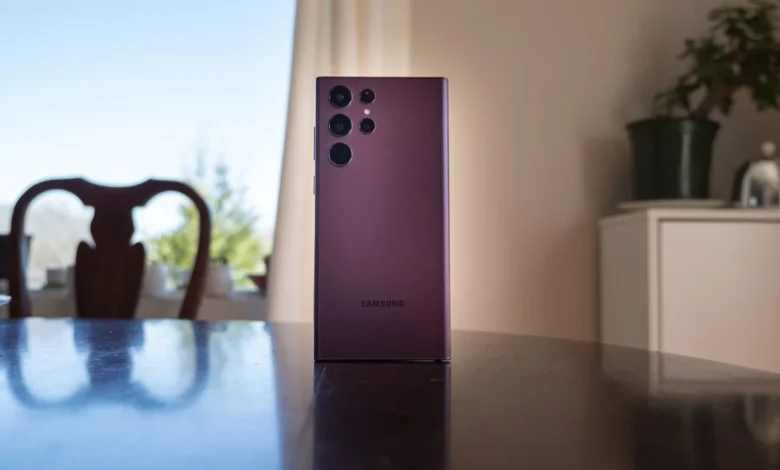
The Korea Fair Trade Commission (KFTC) has officially imposed a penalty of 20 billion KRW, approximately 15 million USD, against Samsung Electronics. This regulatory action follows an extensive investigation into the company’s marketing practices regarding the gaming performance of its flagship Galaxy S21 and S22 smartphone series, as well as the Galaxy Tab S8 tablet line. The commission concluded that Samsung engaged in deceptive advertising by promoting these devices as high-performance gaming hardware while simultaneously deploying software that aggressively throttled the hardware’s capabilities without informing the consumer base.
This development marks a significant milestone in consumer protection within the South Korean technology sector. The KFTC’s ruling hinges on the function and implementation of Samsung’s Game Optimizing Service (GOS). According to the regulatory body, the GOS was designed to automatically throttle the central processing unit (CPU) and graphics processing unit (GPU) performance upon the launch of a gaming application. The commission argued that this practice resulted in a user experience that was fundamentally different from what was depicted in promotional materials, which frequently highlighted rapid screen refresh rates and advanced graphical fidelity.
Chronology of the Controversy
The tension between Samsung and its user base regarding performance management began to escalate in early 2022. Shortly after the release of the Galaxy S22 series, tech enthusiasts and power users began to notice a significant disparity between the theoretical benchmarks of the Snapdragon 8 Gen 1 and Exynos 2200 chipsets and the actual performance observed during sustained gaming sessions.
By March 2022, detailed investigations by independent researchers revealed that the GOS was not merely a thermal management tool—as Samsung had originally characterized it—but a rigid system that applied performance caps to over 10,000 applications, not just games. The revelation caused immediate public outcry, as users felt misled by marketing campaigns that emphasized the "pro-grade" gaming prowess of the flagship devices.
Following the initial discovery, Samsung issued a software update intended to provide users with more control over the GOS, allowing them to prioritize performance over thermal management. However, the KFTC investigation continued, looking into whether the company’s initial claims constituted a breach of fair trade practices by obscuring the limitations of the hardware at the point of sale.
The Technical Role of Game Optimizing Service
To understand the scope of the fine, one must analyze the technical operation of the GOS. Samsung maintained that the service was a necessary component to ensure "stable gaming experiences over extended periods." The system was designed to monitor internal temperatures and adjust system resources to prevent thermal throttling or hardware damage.
However, the KFTC’s investigation uncovered a critical inconsistency: the GOS restricted CPU and GPU performance regardless of the actual thermal state of the device. Even when a smartphone or tablet was running at a safe, low temperature, the software would proactively limit the clock speeds of the processors. This behavior contradicted the notion of a dynamic, intelligent thermal management system. Instead, it acted as a pre-emptive performance limiter, which the KFTC deemed a failure of disclosure.
For consumers, this meant that high-end devices, purchased at premium prices specifically for their gaming capabilities, were incapable of reaching their advertised technical potential. The discrepancy between marketing claims—which highlighted raw power and smooth, high-frame-rate gameplay—and the reality of a throttled system formed the basis of the KFTC’s decision to classify the advertising as "misleading."
Official Responses and Legal Standing
In its official statement, the Korea Fair Trade Commission emphasized the responsibility of major technology firms to provide transparent information regarding factors that significantly affect device performance. The commission noted that gaming performance is a primary purchasing driver for premium mobile devices in the modern market, and masking performance limitations under the guise of optimization undermines the trust between the manufacturer and the consumer.
Samsung Electronics has expressed a formal disagreement with the commission’s findings. In statements obtained by local media outlets, the company reiterated its position that the GOS was implemented to ensure user safety and device longevity. The company argues that the service was a standard feature intended to maintain a consistent experience, and it has indicated that it plans to challenge the fine through legal channels. The defense will likely center on the interpretation of "performance" and whether a manufacturer is entitled to manage system resources to prevent overheating, regardless of whether that management is active or reactive.
Industry Context and Historical Performance Challenges
The debate over the GOS brings to light broader concerns regarding the performance of mobile hardware, particularly regarding the Exynos chipset family. Historically, Samsung’s proprietary Exynos processors have faced criticism for thermal management challenges compared to their Qualcomm Snapdragon counterparts. During the development of the S21 and S22 series, the industry was grappling with the extreme heat output of early 5nm and 4nm semiconductor processes.
The move by the KFTC signals a shift in how regulators are viewing software-based performance management. In the past, companies were given wide latitude to manage power consumption and thermal output to prevent hardware failure. However, the KFTC’s ruling establishes a precedent: while manufacturers have a duty to ensure device safety, they cannot use performance-limiting software as a "black box" solution to hide thermal deficiencies if those limitations drastically diverge from the performance characteristics marketed to the public.
Implications for Future Flagships
As the mobile industry moves forward, the impact of this fine will likely be felt in how companies like Samsung approach transparency in their software updates and marketing. We are already seeing evidence of this shift. Recent flagship launches, such as the Galaxy S24 and the upcoming S25 series, have been accompanied by more robust cooling solutions, including larger vapor chambers and more efficient heat dissipation materials. These hardware improvements are designed to reduce the need for aggressive software-based throttling.
Furthermore, the industry is moving toward greater transparency regarding "Game Modes" and performance profiles. Modern Android interfaces are increasingly providing users with toggles that clearly explain the trade-offs between battery life, thermal management, and peak performance. By allowing the user to make an informed choice, companies can avoid the legal and reputational risks associated with automated, hidden throttling.
Broader Market Consequences
The 15 million USD fine, while significant, is arguably less important than the reputational damage and the precedent set for future technology litigation. For Samsung, the challenge is to maintain its market share in the premium segment while balancing the engineering constraints of high-performance silicon.
Analysts suggest that this event will force a rethink of how flagship smartphones are tested and advertised. If companies are no longer able to use software to compensate for potential thermal weaknesses, they must invest more heavily in physical cooling infrastructure. This, in turn, impacts the design, weight, and internal layout of future handsets.
For the consumer, the outcome of this dispute is a positive step toward accountability. It reinforces the expectation that a "flagship" device should perform at a flagship level, and if a manufacturer chooses to cap that performance, the consumer deserves to be fully informed of the technical parameters of their purchase.
As Samsung prepares its legal defense, the tech industry will be watching closely. This case serves as a reminder that as smartphones become increasingly powerful—often rivaling the performance of dedicated gaming consoles and entry-level laptops—the standards for honesty in technical marketing must evolve alongside them. The KFTC’s decision serves as a clear warning to the industry: the era of "hidden optimization" is coming to an end, and transparency is now a mandatory feature of the premium mobile experience.
Related posts: