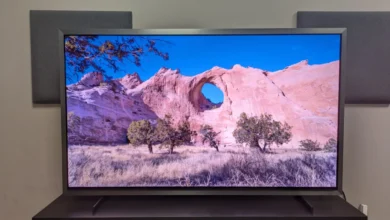
The home audio market has long struggled with a distinct engineering paradox: as television displays have expanded to massive 85-inch configurations and beyond, traditional single-bar soundbar solutions have increasingly failed to project an acoustic scale that matches the visual grandeur on screen. For years, audio engineers debated whether to construct excessively long, unwieldy single-chassis bars or to pivot toward traditional multi-component separates systems. Sony’s internal audio department ultimately chose a third path, giving rise to the Sony Bravia Theater Trio (HT-A8). Designed to bridge the gap between minimalist soundbar convenience and the commanding presence of a dedicated separates system, the Trio relies on a three-piece configuration comprising a dedicated center channel alongside independent left and right speakers.
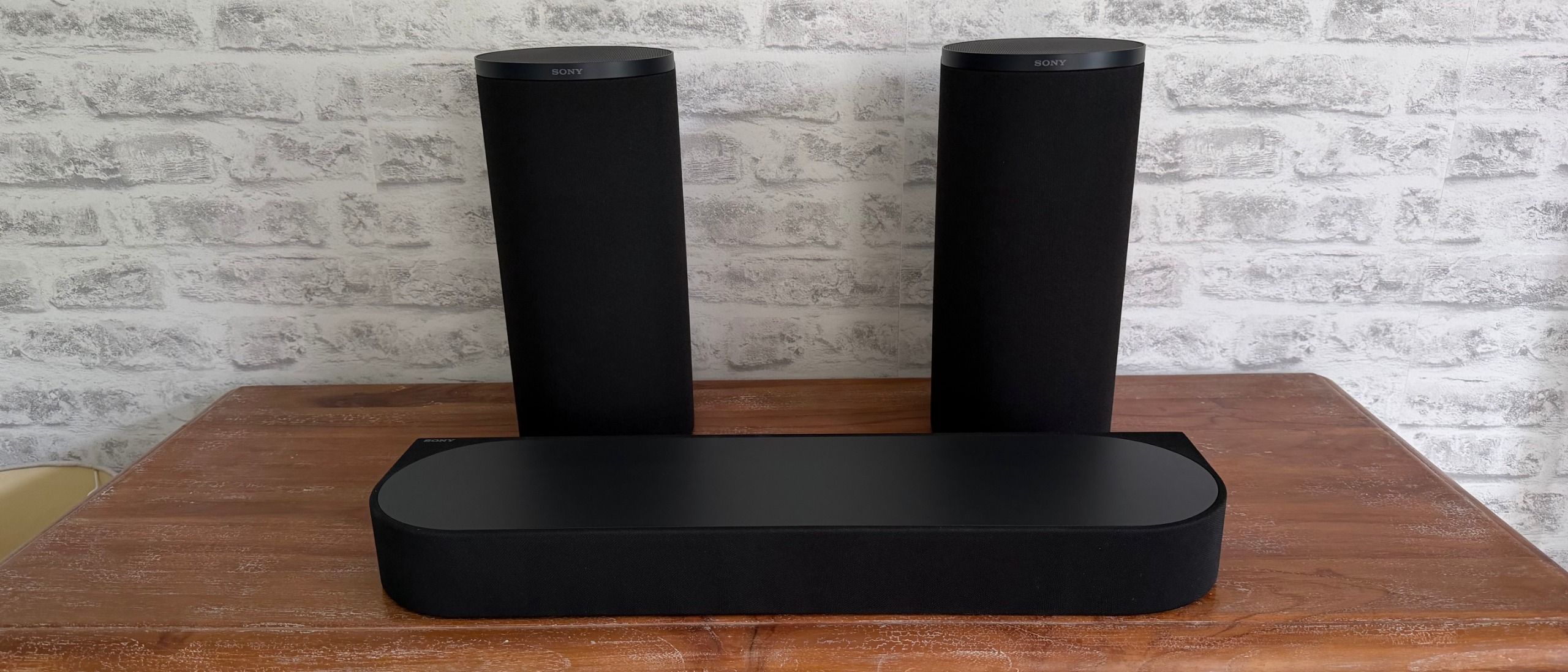
Priced at $1,999 / £1,999 / AU$2,999, the Bravia Theater Trio occupies a premium tier in the home entertainment landscape. Rather than adopting a conventional multi-channel hardware count out of the box, the system utilizes a 3.0.2 physical channel layout complemented by Sony’s proprietary 360 Spatial Sound Mapping technology. Through sophisticated psychoacoustic processing and a high-precision calibration microphone dongle that plugs directly into a mobile device, the system generates up to 24 virtual channels. This software-driven spatial architecture adapts dynamically to diverse and challenging room layouts, creating a seamless 360-degree soundstage even when physical placement is sub-optimal.
Background and Engineering Genesis
The development of the Bravia Theater Trio stemmed from a growing frustration within Sony’s engineering divisions regarding the limitations of high-end, single-enclosure soundbars. While manufacturers routinely packed dozens of individual drivers into a single elongated bar to simulate surround effects, these units frequently struggled with lateral soundstage width, failing to anchor dialogue and action convincingly across ultra-large modern displays.
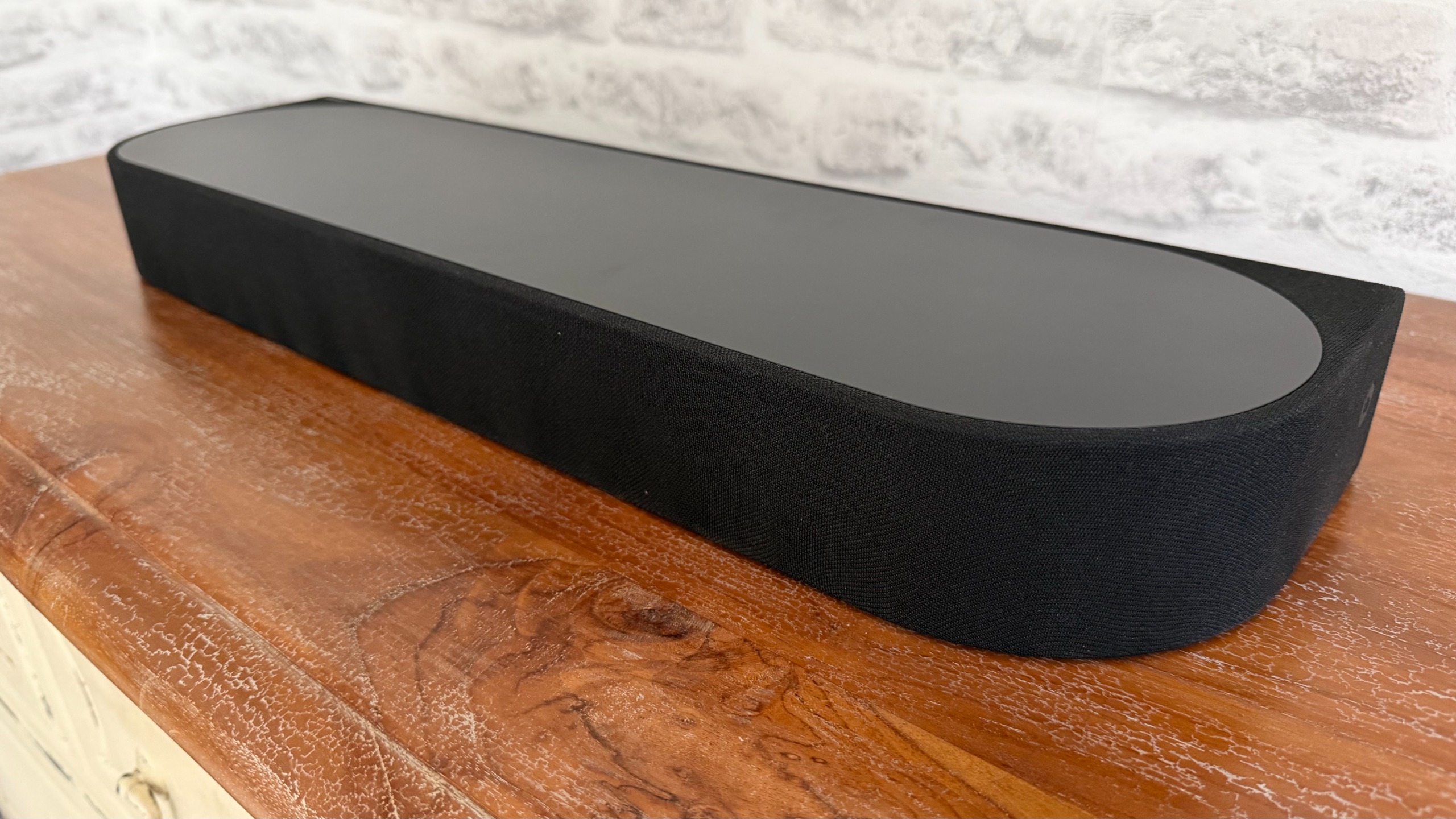
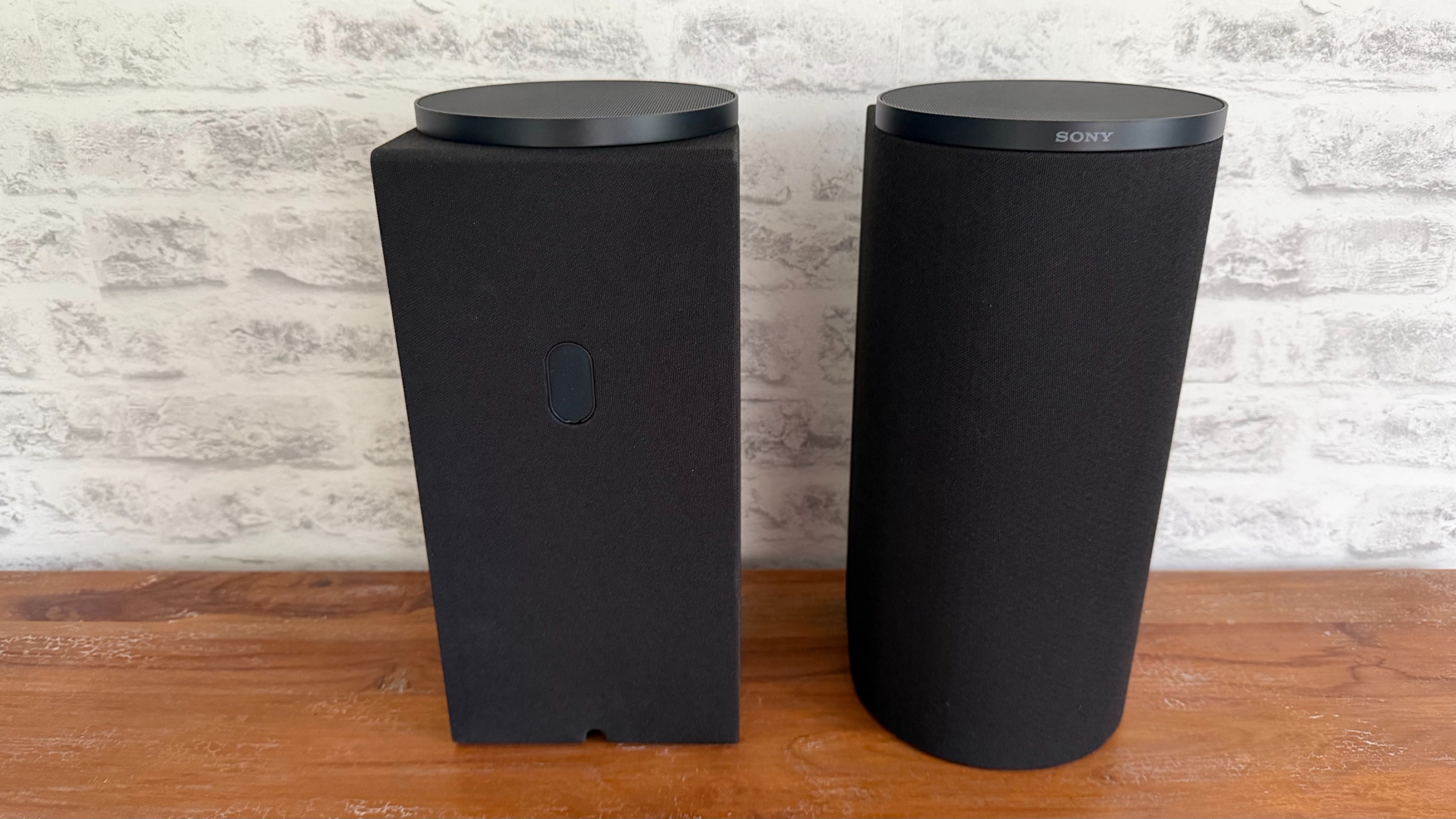
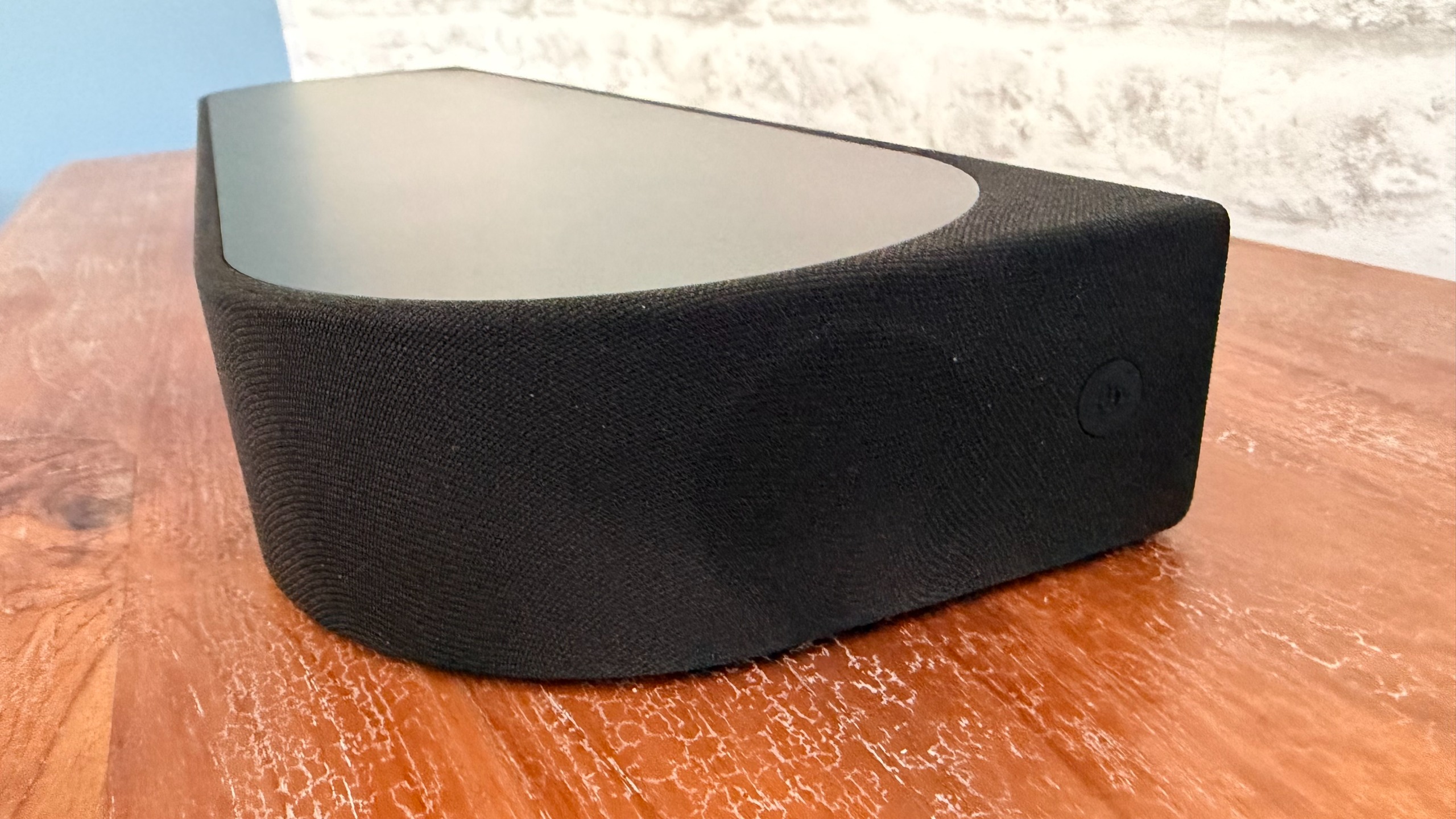
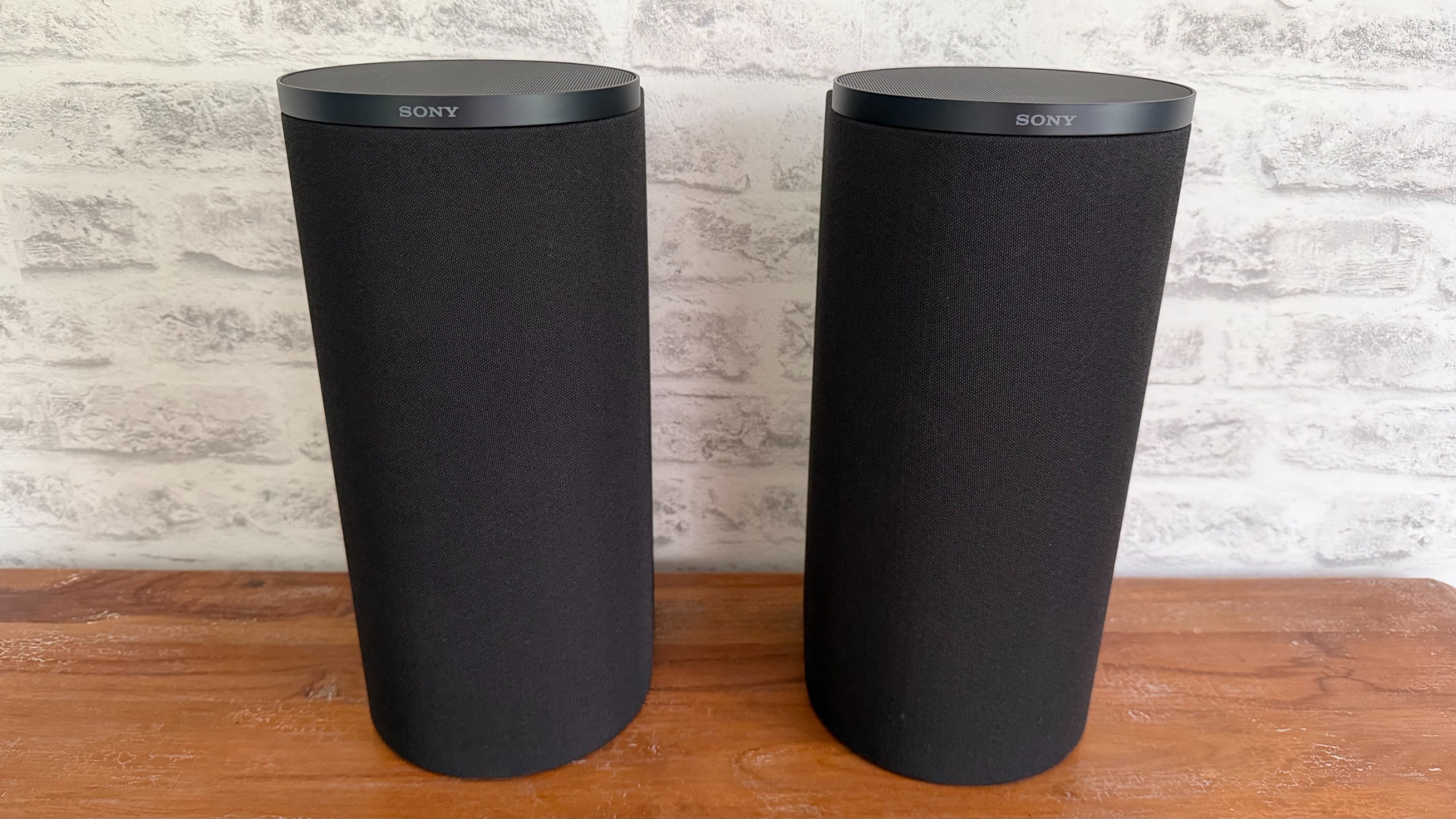
Sony’s solution was to decouple the left and right stereo channels from the center enclosure, allowing users to position the wireless left and right units as far apart as room dimensions permit. Despite the expanded spatial footprint, the physical dimensions of the components remain remarkably restrained. The slim center speaker measures just 23.19 x 2.52 x 6.50 inches (589 x 64 x 165mm), while the larger left and right units feature a cylindrical design with flat-backed profiles optimized for both tabletop placement and wall mounting. This architectural flexibility enables the system to integrate seamlessly into living spaces without dominating the interior aesthetic.
Technical Specifications and Connectivity
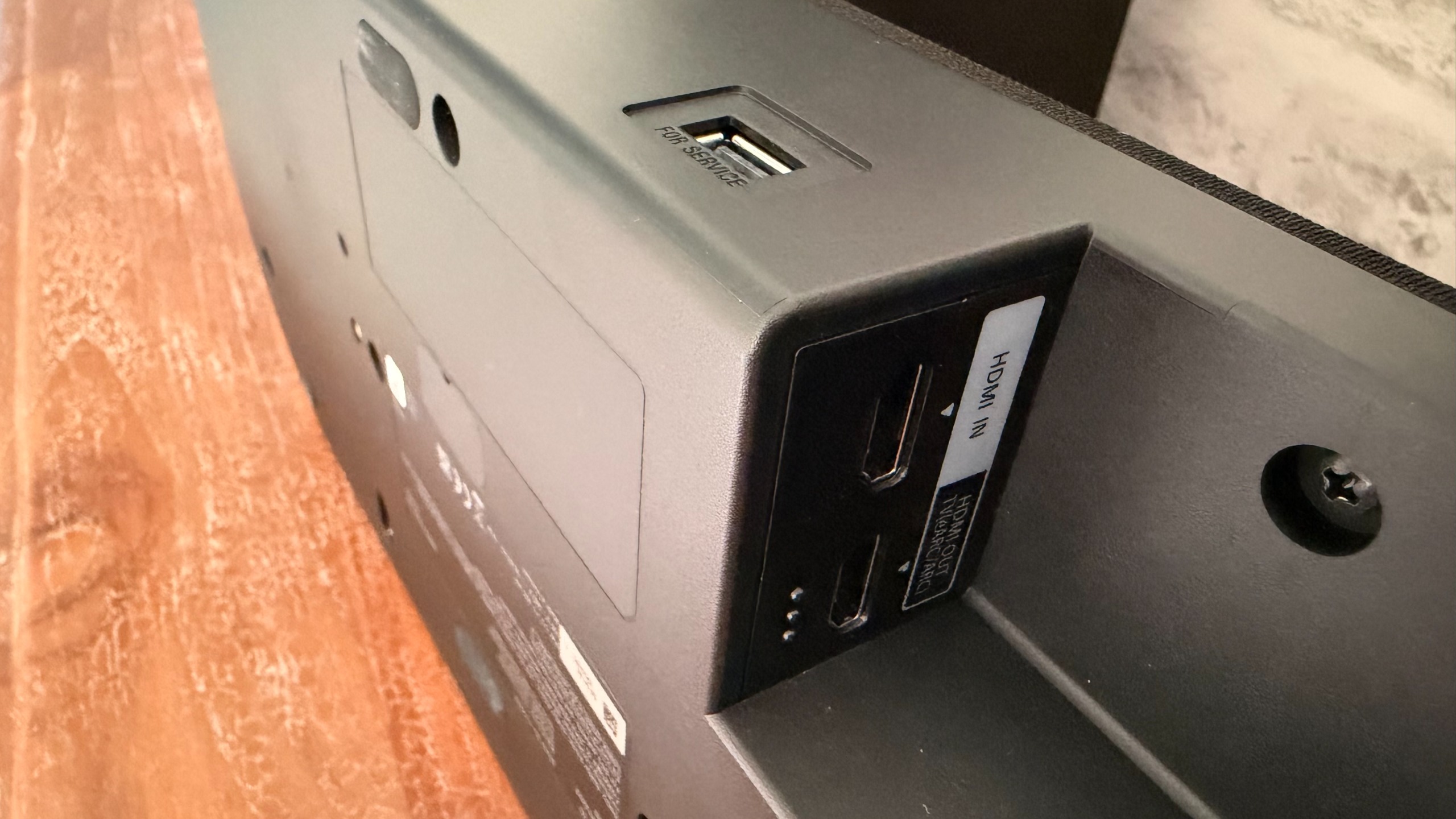
The Bravia Theater Trio delivers a comprehensive array of modern features, though its physical connectivity is notably streamlined. The system includes a single HDMI input with eARC support for television audio integration, alongside an HDMI output featuring full 4K/120Hz pass-through capabilities. This ensures complete compatibility with high-refresh-rate gaming feeds from modern consoles such as the PlayStation 5, as well as support for major high dynamic range formats including HDR10, HLG, and Dolby Vision. However, the omission of HDR10+ support and the absence of secondary hardwired inputs—such as an optical digital port or an extra HDMI slot—may present limitations for users with multiple legacy source devices.
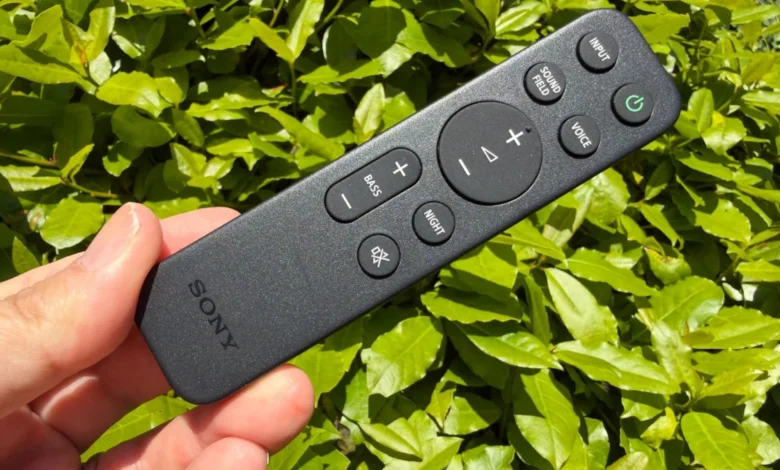
Wireless connectivity is robust, incorporating Bluetooth 6.0 and Wi-Fi capabilities that facilitate direct streaming via Spotify Connect and Apple AirPlay 2. The system also supports Hi-Res Audio playback and integrates Sony’s DSEE Ultimate AI upscaling engine to restore fidelity to compressed audio tracks. Setup and system management are primarily handled via the Bravia Connect app for iOS and Android, which provides a graphical interface to compensate for the hardware’s lack of an onboard LED display and the relatively basic bundled remote control.
Performance and Audio Fidelity
In practical testing, the Bravia Theater Trio transcends the acoustic limitations typically associated with compact multi-piece packages. Capable of decoding both Dolby Atmos and DTS:X formats, the system produces a dynamic, authoritative soundstage that belies its official 405W power output rating.
The integration of Sony’s 360 Spatial Sound Mapping allows the system to project sound well beyond physical boundaries, making the three constituent speakers effectively "disappear" during complex cinematic sequences. Midrange clarity is exceptional, rendering dialogue with precision and natural weighting, while treble frequencies maintain composure without exhibiting harshness or brittleness at high volumes. Low-frequency performance is managed primarily by the robust left and right speakers, delivering controlled, agile bass hits that avoid muddying the overall mix. For users seeking even deeper sub-bass extension, Sony offers optional external wireless subwoofers (Sub 8 and Sub 9), though the core system demonstrates sufficient low-end articulation to function capably on its own.
Musical performance matches its cinematic capabilities. In native stereo mode, the Trio provides clean channel separation and vocal centering, retaining a high-fidelity character even at elevated sound pressure levels. Furthermore, the system remains sensitive enough to deliver engaging, balanced audio at low listening volumes—a common hurdle for traditional soundbar architectures. While the 360 Spatial Sound Mapping mode introduces an expansive sense of verticality and immersion to stereo and Dolby Atmos music tracks, purists may notice a slight narrowing of the raw left-right stereo spread when the spatial processing is engaged.
System Expansion and Optional Upgrades
While the out-of-the-box configuration delivers an expansive forward soundstage, the system’s virtual surround processing exhibits a predictable limitation regarding rear-channel overhead. Sound effects originating strictly from behind the listener are less pronounced without physical rear hardware. To address this, Sony offers the optional Rear 9 wireless surround speakers.
Adding the Rear 9 speakers transforms the soundstage into a true 360-degree hemisphere, elevating the immersive experience for demanding home theater enthusiasts. However, this upgrade represents a substantial financial commitment, pushing the total system investment from the base price of $1,999 / £1,999 / AU$2,999 toward nearly $2,750 / £2,700 / AU$4,300 depending on regional pricing. Consequently, prospective buyers may opt to acquire the base Trio package initially and integrate rear surrounds incrementally as budgets permit.
Market Implications and Competitive Landscape
The release of the Sony Bravia Theater Trio redefines expectations for premium television audio, establishing a middle ground between traditional multi-speaker component AV receivers and all-in-one soundbars. By prioritizing modular front-channel separation and advanced psychoacoustic room calibration, Sony has addressed the acoustic demands of ultra-large displays without requiring consumers to run complex wiring or accommodate dozens of physical speakers.
When evaluated against established market alternatives—such as the Samsung HW-Q990H comprehensive surround package or the Sennheiser Ambeo Max single-bar system—the Trio commands a premium price point. Yet, its ability to deliver separates-grade refinement, flexible room adaptation, and seamless integration with large-format screens ensures its position as a formidable contender for audiophiles and home theater enthusiasts seeking uncompromised performance within a streamlined physical footprint.
Related posts: