Google Store Houston Set to Open at The Galleria on November 6 as Tech Giant Expands Physical Retail Footprint

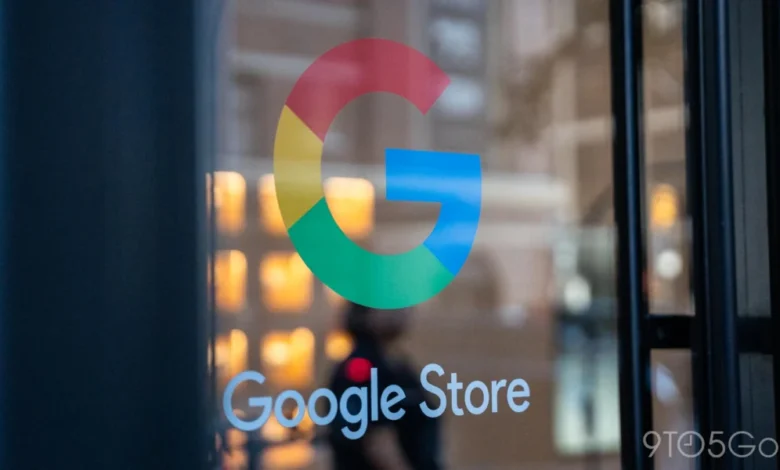
Google is continuing its brick-and-mortar retail expansion with the announcement of a new physical storefront in Houston, Texas. Scheduled to open its doors on Friday, November 6, the Google Store Houston Galleria marks the company’s 11th retail location in the United States and its 12th worldwide. Situated at 5085 Westheimer Rd, Houston, TX 77056, the store will be located inside The Galleria, an upscale mixed-use development widely recognized as Texas’s largest shopping destination.
This upcoming launch represents a significant milestone in Google’s long-term retail strategy. Following historical periods where the company relied heavily on pop-up shops and third-party retailer partnerships to showcase its hardware ecosystem, Google has steadily shifted toward building permanent, immersive flagship stores. The Houston location follows a busy period of physical expansion for the tech conglomerate, providing local consumers with a dedicated space to experience, purchase, and receive support for the complete lineup of Made by Google products.
Main Facts and Location Details
The Google Store Houston Galleria will occupy prime retail real estate inside one of the most heavily trafficked commercial hubs in the American Southwest. The Galleria attracts millions of visitors annually, making it an ideal environment for Google to introduce its ecosystem to both loyal enthusiasts and prospective consumers.
Shoppers visiting the Houston location will find a comprehensive display of Google’s hardware portfolio. This includes the latest Pixel smartphones, Pixel Watch models, Pixel Buds audio accessories, and a robust array of smart home devices under the Nest brand, including smart thermostats, Wi-Fi routers, and security cameras.
Beyond retail sales, the store is designed to function as a service and community hub. Local customers will be able to utilize the location for online order store pickups, bypassing shipping times for web purchases. Furthermore, the storefront will feature dedicated technical support services, including on-site device diagnostics and smartphone repairs handled by certified technicians. Google also plans to host community-focused events, workshops, and product demonstrations at the location, mirroring the operational framework established at its other permanent retail sites.
Chronology of Google’s Retail Evolution
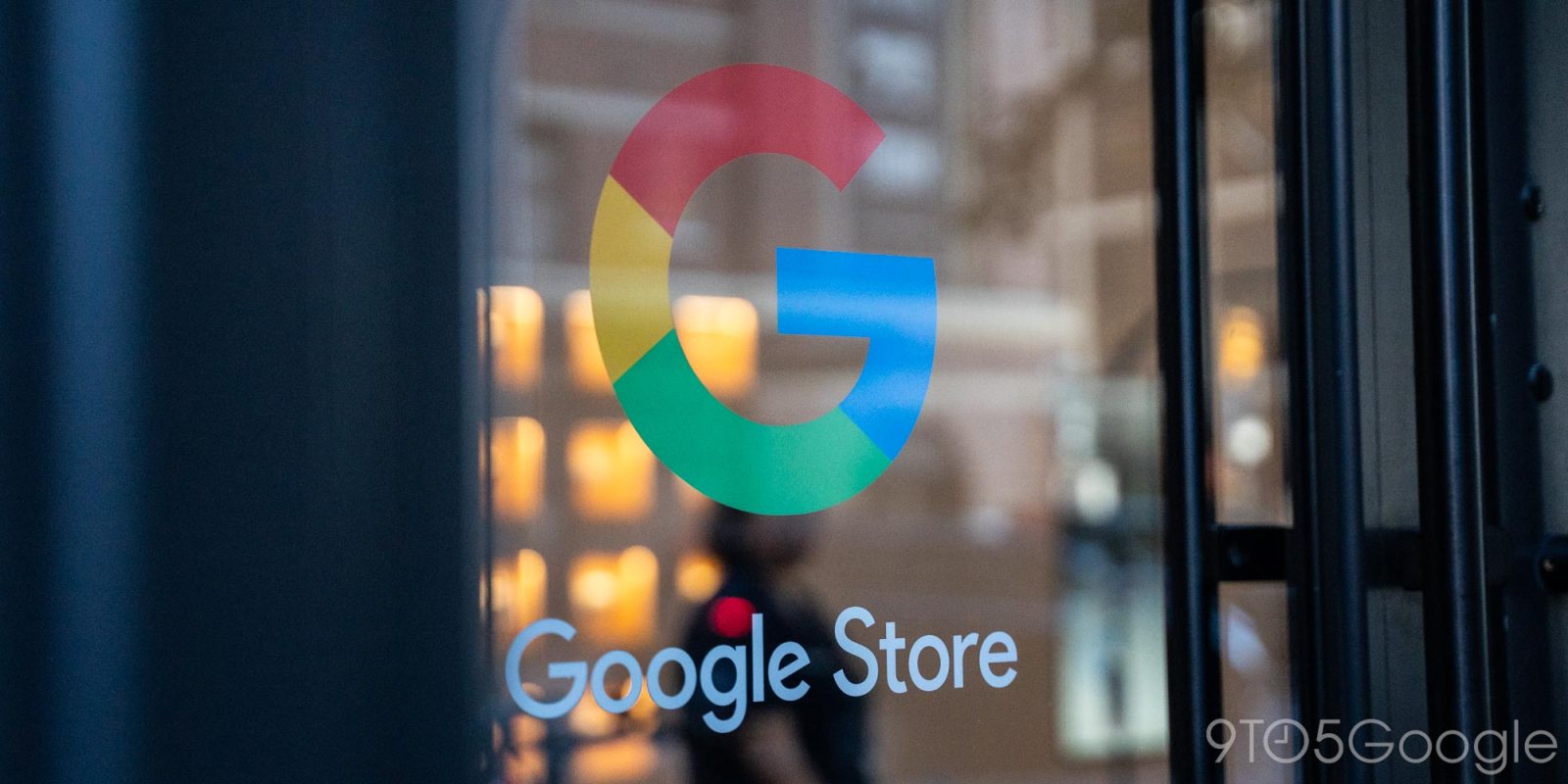
Google’s physical retail journey has evolved significantly over the past decade. For years, the company experimented with temporary pop-up shops, most notably during the holiday seasons in major metropolitan areas like New York City and Los Angeles, as well as temporary hardware showcases within third-party stores like Best Buy.
The turning point for permanent retail came in June 2021, when Google opened its very first flagship brick-and-mortar retail store in the Chelsea neighborhood of New York City. Designed with a strong emphasis on sustainability and interactive, hands-on product discovery, the Chelsea location set the design template for subsequent stores.
Following the New York debut, the company took a measured approach to scaling its physical footprint. In 2023, Google opened a second New York location in Williamsburg, Brooklyn. The momentum continued into subsequent years as the tech giant began expanding beyond the Northeast corridor.
The year 2026 has proven to be a watershed moment for Google’s retail division, marked by rapid geographic diversification:
- San Diego Opening: Google established its presence in Southern California with a retail launch designed to capture the robust West Coast consumer base.
- Tokyo Expansion: In the summer of 2026, Google opened its first-ever physical retail store outside of the United States, choosing Tokyo, Japan, as the international launchpad. This move underscored the growing global demand for Pixel hardware, particularly in the Asian smartphone market.
- Austin Debut: Prior to the Houston announcement, Google established its first Texas retail footprint in Austin last year, testing the waters in the state’s burgeoning tech hub.
- Houston Launch: The upcoming November 6 opening at The Galleria makes Houston the second city in Texas to host a permanent Google Store, further solidifying the state’s importance in the company’s domestic retail strategy.
Supporting Data and Market Context
The expansion of Google’s physical retail network aligns with broader hardware market trends. According to industry analysis from firms like IDC and Counterpoint Research, Google’s Pixel smartphone brand has steadily gained market share in North America and select international markets, driven by aggressive marketing, long-term software support commitments, and custom Tensor silicon developments.
While online retail continues to account for a massive percentage of consumer electronics sales, major hardware manufacturers have increasingly recognized the value of physical showrooms. Apple has famously utilized its Apple Store ecosystem for decades to drive brand loyalty, customer service retention, and high-margin accessory sales. Microsoft previously attempted a similar model before pivoting primarily to digital storefronts. By building permanent brick-and-mortar locations, Google aims to replicate the tactile product-testing environment that encourages consumers to switch from competing platforms like Apple’s iOS or Samsung’s Galaxy ecosystem.
Moreover, the choice of Texas for multiple retail locations reflects the state’s rapid economic growth, population influx, and emergence as a major technology corridor. Cities like Austin and Houston have attracted substantial tech industry investments, corporate relocations, and a young, tech-savvy demographic that aligns closely with Google’s target consumer base.

Broader Impact and Strategic Implications
The opening of the Google Store Houston Galleria carries several strategic implications for the company and the broader retail landscape.
First, the physical presence of a dedicated Google Store enhances the perceived value and legitimacy of the Pixel ecosystem. For years, critics noted that prospective buyers had limited opportunities to physically handle Pixel phones or Nest devices outside of select carrier stores or big-box electronics retailers where displays were often secondary to competitors. Dedicated storefronts give Google complete control over the consumer journey, brand presentation, and customer service experience.
Second, the inclusion of on-site repair and technical support addresses a critical friction point for consumers considering smartphone ecosystem switches. Knowing that hardware can be inspected, troubleshot, and repaired locally provides peace of mind that rivals the localized support structures of Apple and major cellular carriers.
Finally, as Google continues to integrate advanced artificial intelligence features—such as Gemini assistant capabilities—directly into its hardware lineup, physical retail spaces provide an ideal environment to demonstrate complex software interactions to consumers in real-time. Staffed product demonstrations can effectively communicate the utility of AI-driven photography, live translation, and ambient smart home automation in ways that traditional banner ads or online videos cannot fully convey.
As November 6 approaches, preparations at The Galleria are underway to welcome the public to Google’s newest retail frontier, setting the stage for what industry analysts expect will be continued physical expansion in key metropolitan markets globally.