Xiaomi 18 Fold Review: A Masterclass in Hardware Engineering Hampered by Regional Software Constraints


The Xiaomi 18 Fold represents the latest iteration in the company’s ongoing mission to refine the passport-style foldable form factor, blending cutting-edge optics and battery technology with a design that challenges the established dominance of Samsung and Apple in the premium mobile space. Released in mainland China shortly after the global unveiling of the Xiaomi 18 Pro series, the device positions itself as an enthusiast’s dream, offering specifications that frequently outpace domestic and international competitors. However, the device’s exclusive availability in the Chinese market and the subsequent reliance on a region-specific version of HyperOS 4 create significant barriers for global users, highlighting the divide between hardware innovation and software accessibility.
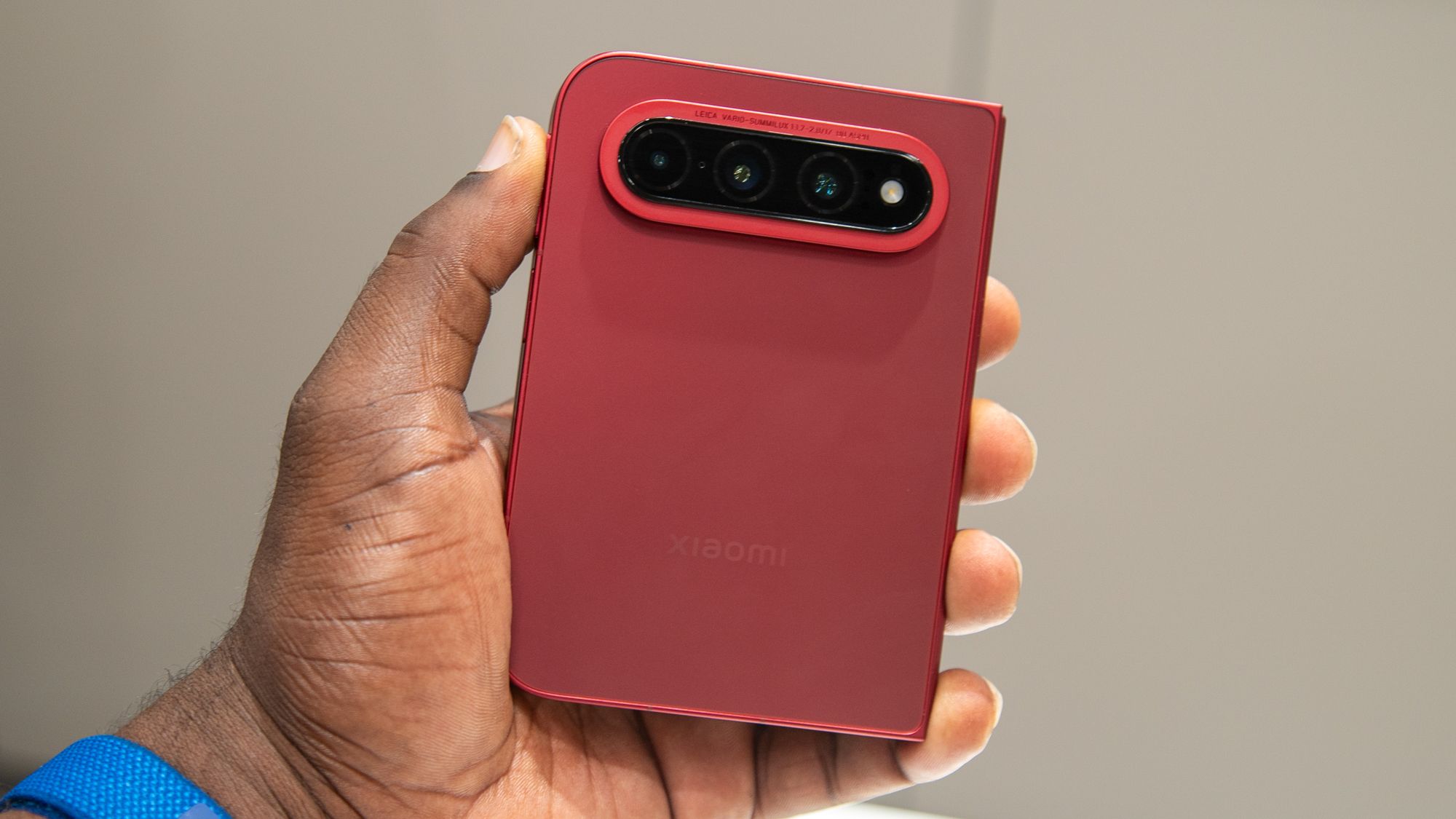
The trajectory of Xiaomi’s foldable division began in 2021 with experimental designs that prioritized testing consumer demand for flexible displays. Over the past three years, the company has transitioned from niche prototypes to highly refined hardware, culminating in the 18 Fold. While the device shares a familiar physical aesthetic with the iPhone Duo and the Samsung Galaxy Z Fold 8, it distinguishes itself through a deliberate engineering strategy that refuses to compromise on internal components.
At the core of the 18 Fold is the proprietary 3nm XRing O3 flagship processor, paired with 16GB of LPDDR6 RAM. This configuration allows for high-performance multitasking, including the platform’s signature six-app multitasking feature that enables users to manage multiple windows across the 7.58-inch inner OLED display. Unlike many competing devices that scale down battery capacity to accommodate a thin chassis, Xiaomi has successfully integrated a 6,000mAh silicon-carbon battery, which currently stands as the largest in the passport-style category. This hardware choice directly addresses a common pain point among foldable users, offering industry-leading endurance that persists through heavy daily usage.
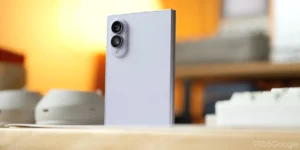
The photographic capabilities of the 18 Fold further emphasize the company’s commitment to high-end hardware. The device features a sophisticated triple-camera system developed in partnership with Leica, headlined by a 200MP main sensor. Crucially, it includes a 50MP 3.5x optical periscope telephoto lens, a feature notably absent from the current iterations of the Galaxy Z Fold 8 and the iPhone Duo. Comparative testing indicates that the 18 Fold maintains superior optical clarity at zoom levels exceeding 30x, where other devices often succumb to digital image degradation. This consistency is supported by Leica’s color science and optimized low-light metering, positioning the 18 Fold as a primary tool for mobile photography.
Despite these hardware achievements, the software experience remains the device’s primary limitation. HyperOS 4 is based on Android 17 and offers a fluid, responsive user interface. Xiaomi has implemented a straightforward path for installing the Google Play Store and essential Google services, allowing for a degree of functionality that was previously difficult to achieve on import devices. However, because the ROM is optimized specifically for the mainland Chinese market, fundamental system-level integrations are incompatible with international standards.
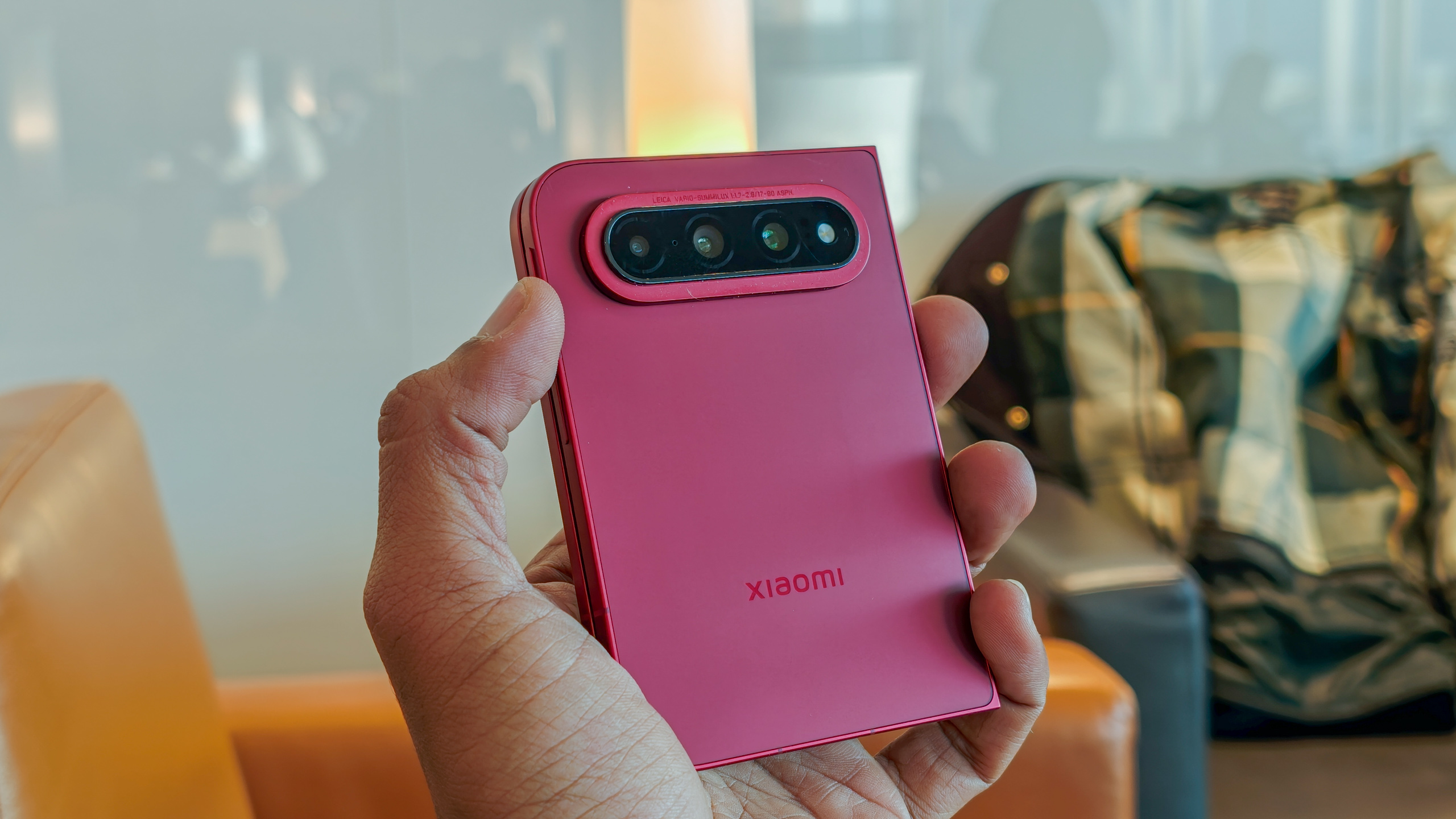
For instance, users are unable to set third-party applications like Gemini as the default system assistant, nor can they change the system-wide default browser to Chrome. Furthermore, key security and utility features are effectively disabled. Google Find Hub, while recognizing the device, fails to report accurate location data, and 2FA prompts—which rely on Google’s secure handshake protocol—frequently fail to trigger, forcing users to rely on backup verification methods. Additionally, the device lacks support for eSIM technology, a feature that has become standard in most global flagship smartphones, and it does not support Android Auto, limiting its integration into modern vehicle infotainment systems.
The lack of a global ROM is a significant omission, particularly given that Xiaomi has already developed and deployed a Western-compatible version of HyperOS for its 18 Pro and 18 Pro Max models. Industry analysts suggest that the decision to keep the 18 Fold as a China-exclusive release is a strategic move to manage supply chain logistics and regional market focus. However, this decision has tangible implications for the product’s adoption outside of China. For power users willing to navigate the complexities of importing, the 18 Fold offers a unique value proposition, starting at 10,999 yuan (approximately $1,640). This price point is notably competitive, sitting below the $1,899 launch price of the Galaxy Z Fold 8 and the $1,999 entry point for the iPhone Duo, though import fees and shipping often diminish these savings.
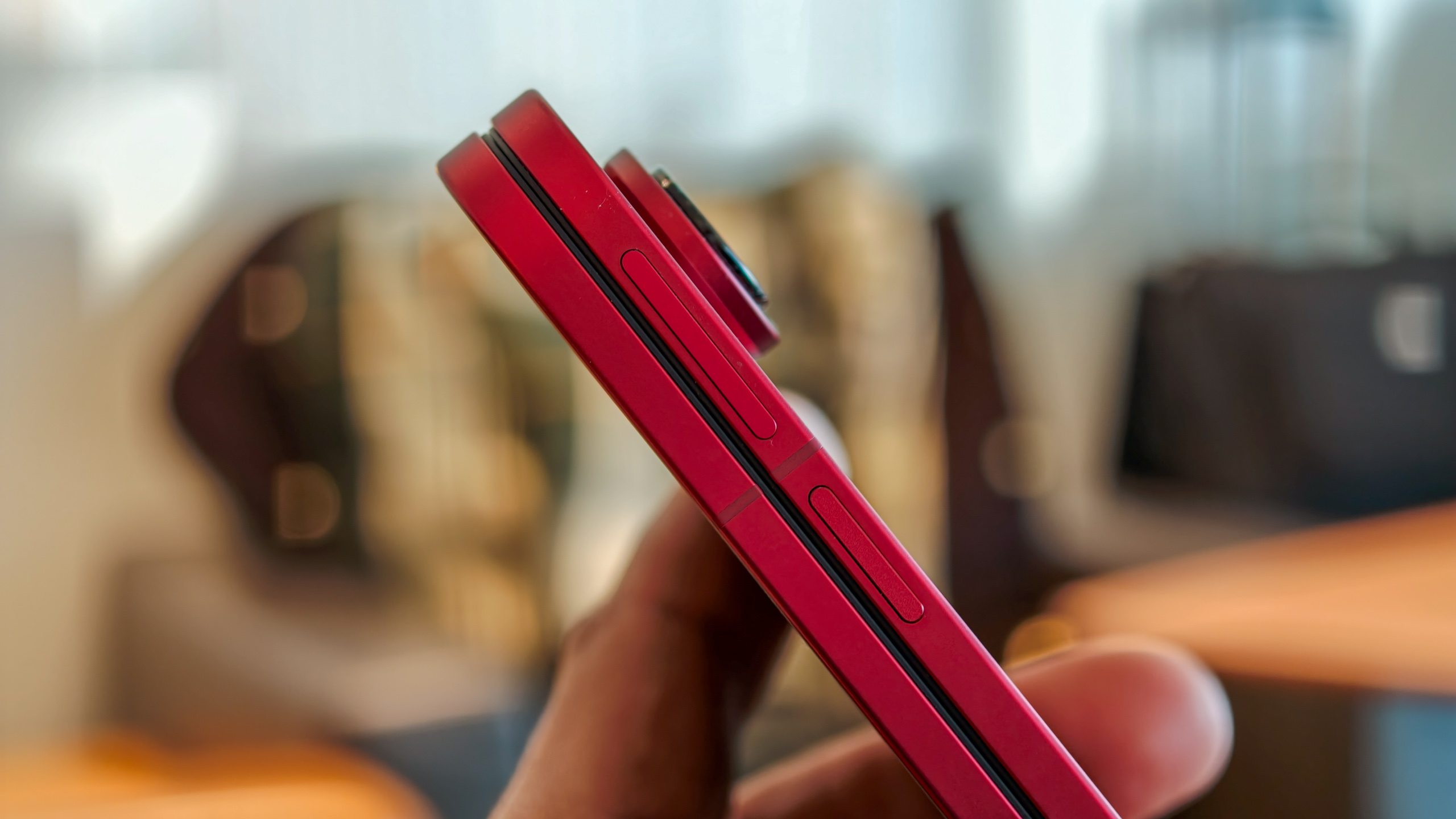
The design of the 18 Fold also reflects a focus on ergonomics. At 219 grams, the device is notably lighter than its closest competitors, despite the inclusion of the 6,000mAh battery and complex camera hardware. The physical footprint, calculated at 105.37 cm³, is smaller than that of the iPhone Duo, contributing to a more comfortable in-hand experience. The device features an IP58 water resistance rating, allowing for submersion in fresh water, although it lacks the full dust-ingress protection found in some competing models. The hinge mechanism, while durable, does not offer the same degree of intermediate angle flexibility as the iPhone Duo, though it remains sufficient for most use cases, including hands-free content consumption.
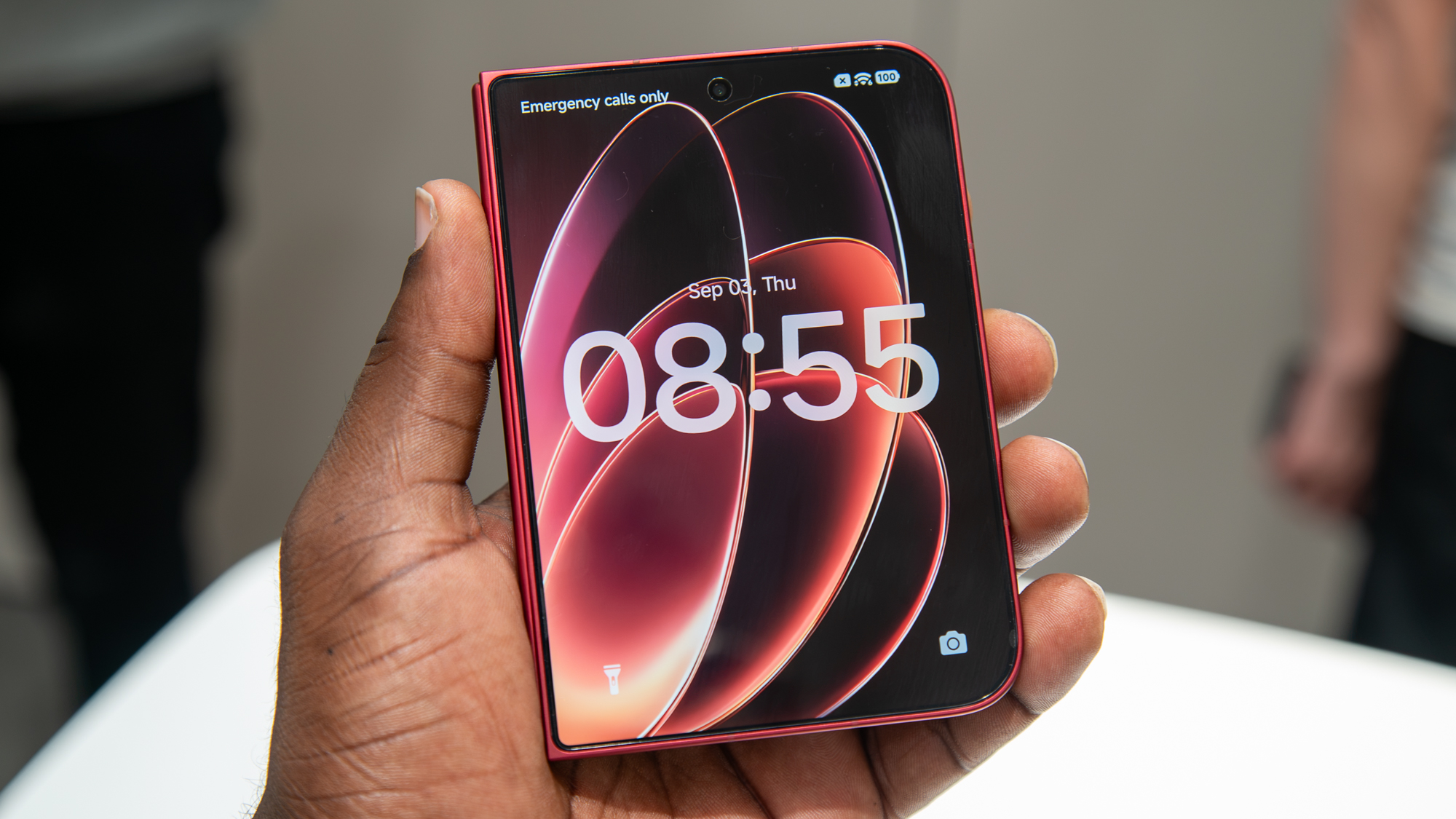
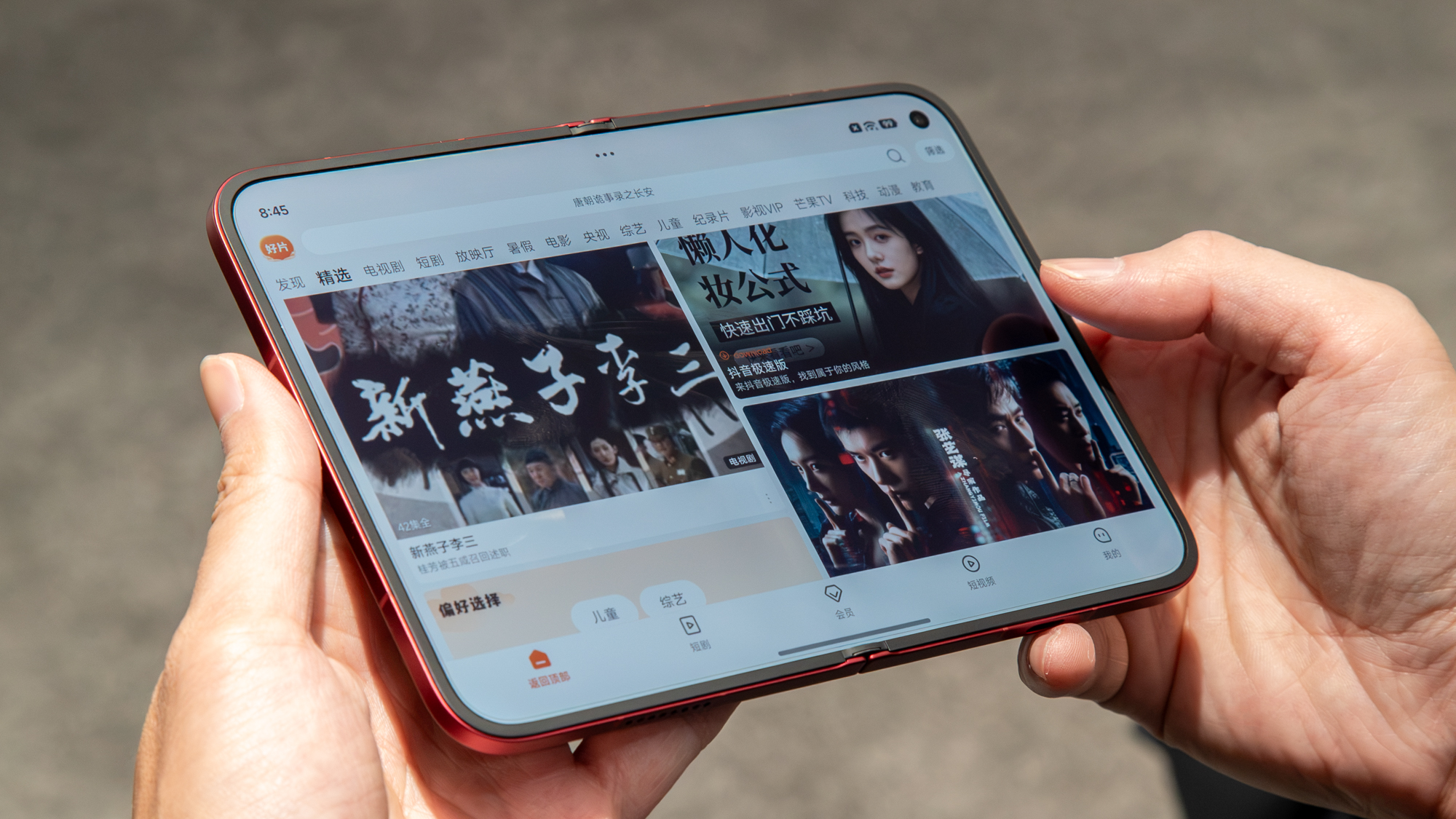
The external display, a 5.38-inch OLED panel, provides a comfortable aspect ratio for standard smartphone tasks, facilitating two-thumb typing without the cramped feel associated with narrower foldable cover screens. When unfolded, the 7.58-inch inner screen offers peak brightness levels exceeding 3,700 nits, ensuring visibility even in direct sunlight. While the crease is visible at sharp viewing angles, it is virtually imperceptible when viewed head-on, representing a substantial improvement over earlier foldable display technologies.
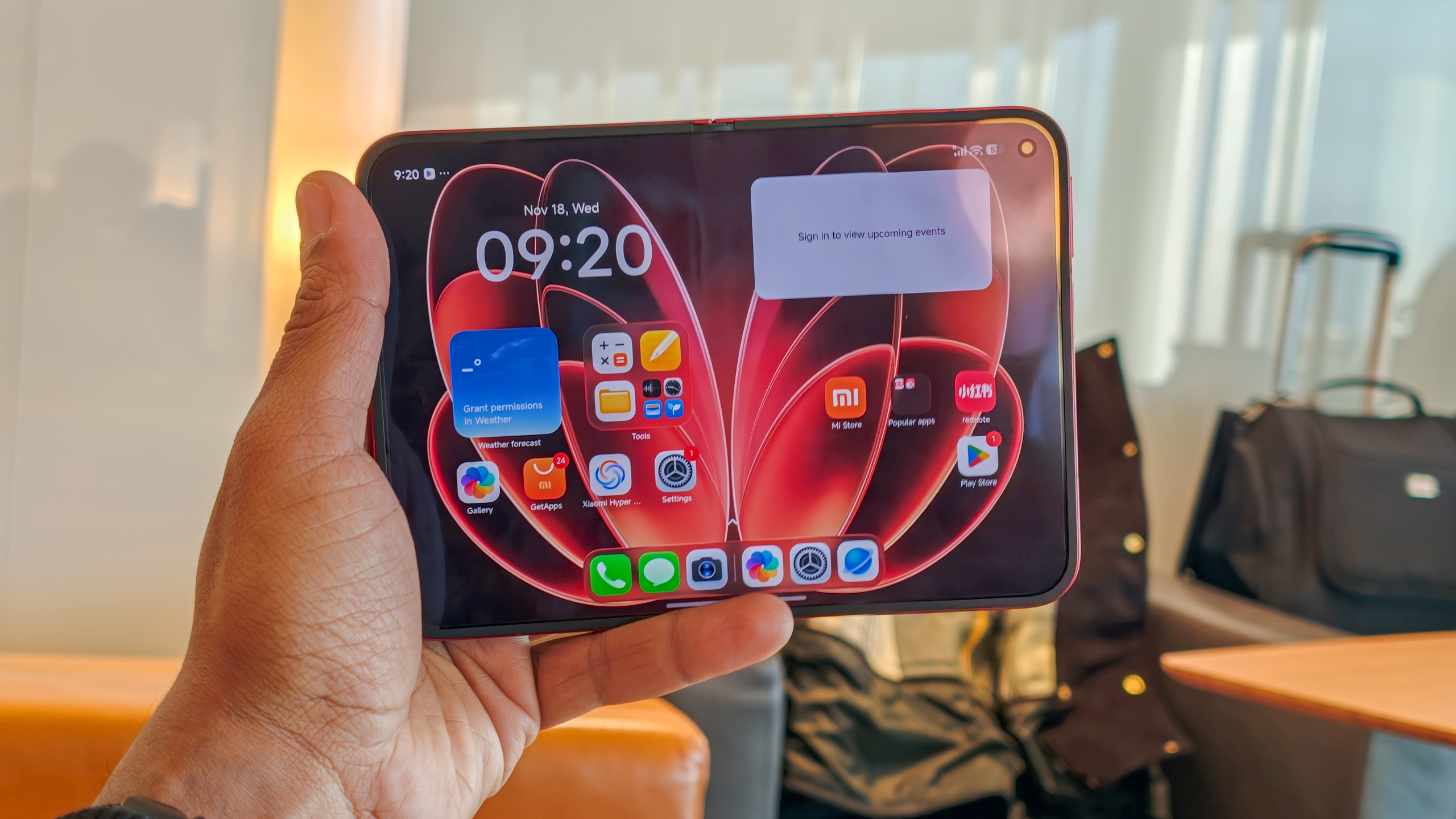
From a charging perspective, the 18 Fold supports 67W wired charging, which can replenish the battery to 50 percent in 19 minutes and reach a full charge in approximately 50 minutes. The inclusion of a 67W power adapter in the retail packaging is a notable benefit, as many global manufacturers have moved toward removing accessories from the box. Additionally, the device supports 50W wireless charging, providing a versatile array of power management options.
The broader implications of the Xiaomi 18 Fold’s release underscore a shifting landscape in the mobile industry. By prioritizing high-density battery technology and advanced periscope optics in a slim chassis, Xiaomi has effectively raised the bar for what is expected in a foldable device. However, the software disparity serves as a reminder that hardware innovation is only one component of a successful global product. The absence of a global ROM limits the 18 Fold to an enthusiast demographic, preventing it from competing on equal footing with the more universally accessible offerings from Samsung and Apple.
For the consumer, the choice is clear: the Xiaomi 18 Fold is currently the most technically advanced foldable in terms of physical specifications, yet it remains a compromised experience for anyone outside of the Chinese market. Should Xiaomi decide to release a global version of this hardware, it would likely disrupt the current market hierarchy. Until that time, the device serves as a demonstration of the company’s R&D capabilities rather than a viable daily driver for the average international consumer.
The long-term impact of this release may well be felt in the competitive pressure it exerts on other manufacturers. By demonstrating that a 6,000mAh battery and a 3.5x periscope lens can coexist in a thin, passport-style form factor, Xiaomi has challenged the industry’s status quo. The onus is now on competitors to match these hardware specifications, while the onus remains on Xiaomi to bridge the software divide through global market support. For now, the 18 Fold stands as a testament to what is possible when engineering constraints are pushed to the limit, even as the realities of regional software deployment keep that potential confined.