The ever-increasing demand on digital services necessitates robust mechanisms for managing load and ensuring seamless availability. At the forefront of this challenge lies the critical task of distributing data and requests efficiently across a network of servers. This is where the concept of consistent hashing emerges as a pivotal technique in modern system design, particularly in the realm of distributed caching and load balancing. Originally conceptualized to address the shortcomings of traditional hashing methods in dynamic environments, consistent hashing offers an elegant solution to the problem of remapping data when servers are added or removed from a system.

The Problem of Dynamic Load and Scalability
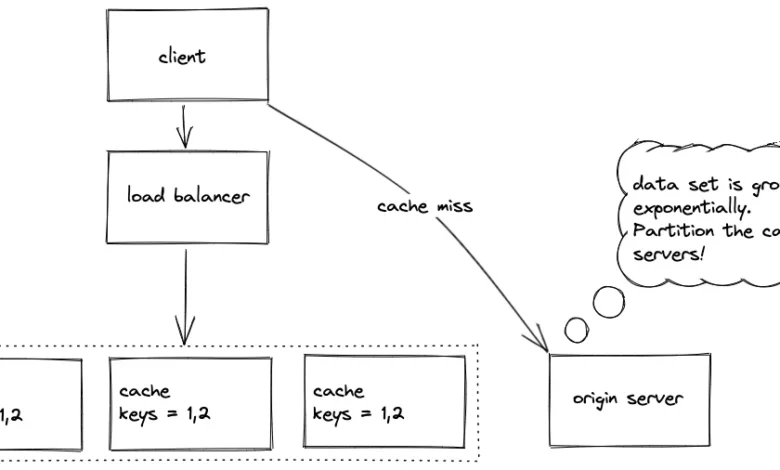
In today’s hyper-connected world, websites and applications can experience explosive growth in popularity within remarkably short timeframes. This surge in user traffic can quickly overwhelm a fixed infrastructure, leading to degraded performance, increased latency, and even complete service outages. To mitigate these issues, distributed caching systems are commonly employed. Cache servers act as intermediaries, storing frequently accessed data closer to users, thereby reducing the load on origin servers and improving response times.
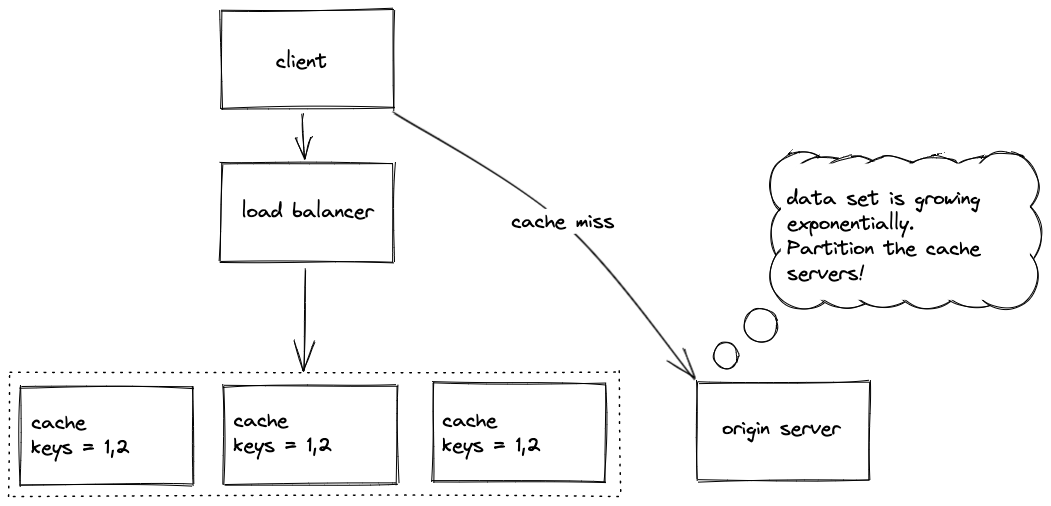
However, the dynamic nature of user demand presents a significant challenge for these caching systems. A static collection of cache servers, rigidly assigned to specific data partitions, cannot effectively handle fluctuating loads. When the number of servers needs to scale up to meet increasing demand or scale down to conserve resources, traditional hashing mechanisms become problematic.
Limitations of Traditional Hashing Approaches
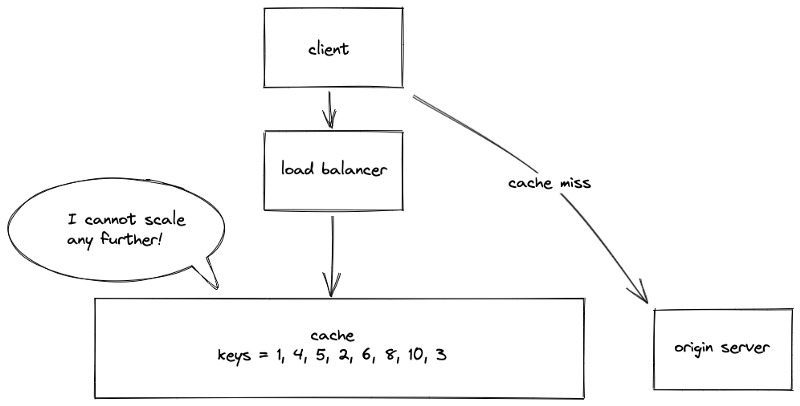
Several partitioning techniques have been explored to distribute data across multiple servers. Random assignment, while offering a theoretically uniform distribution of data, makes it difficult for clients to locate specific data, rendering it unsuitable for dynamic load management. A single global cache, while simplifying data retrieval, suffers from performance bottlenecks and reduced availability as all traffic funnels through one server.
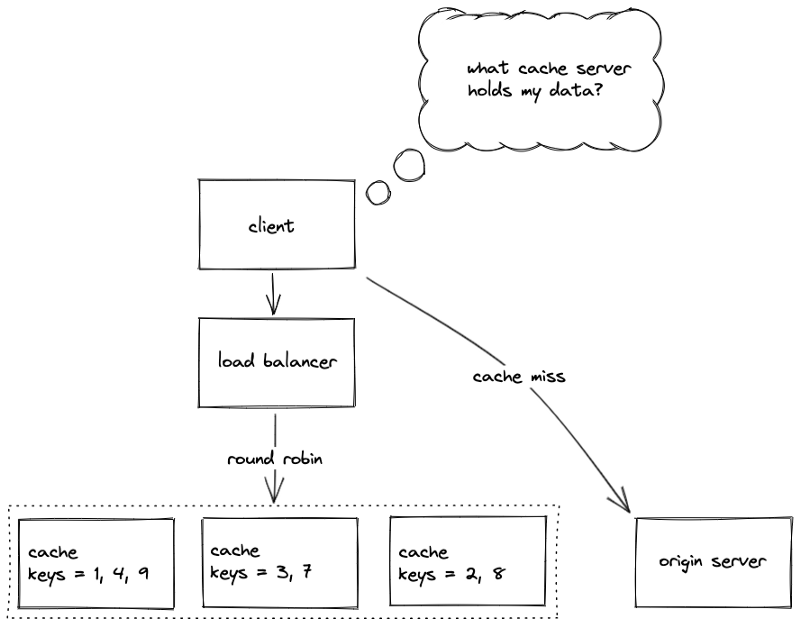
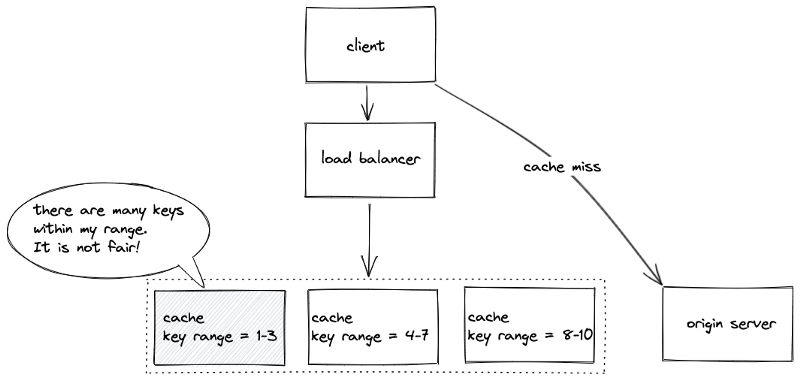
Key range partitioning, where data is divided based on ranges of its keys, allows for easier client retrieval. However, it often leads to uneven data distribution, with certain key ranges being significantly more populated than others, creating "hotspots" and negating the benefits of scaling.
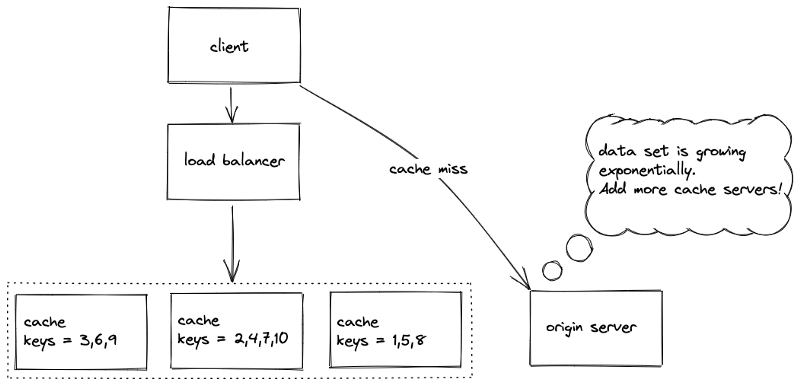
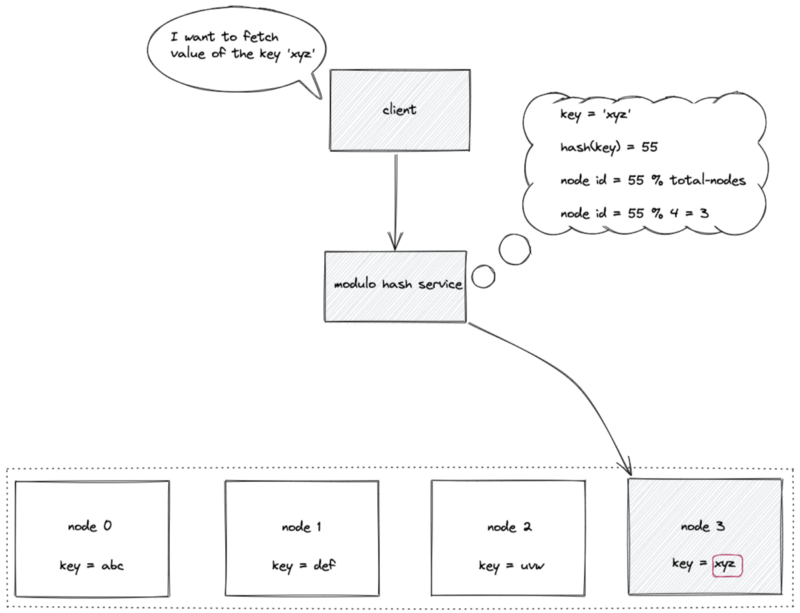
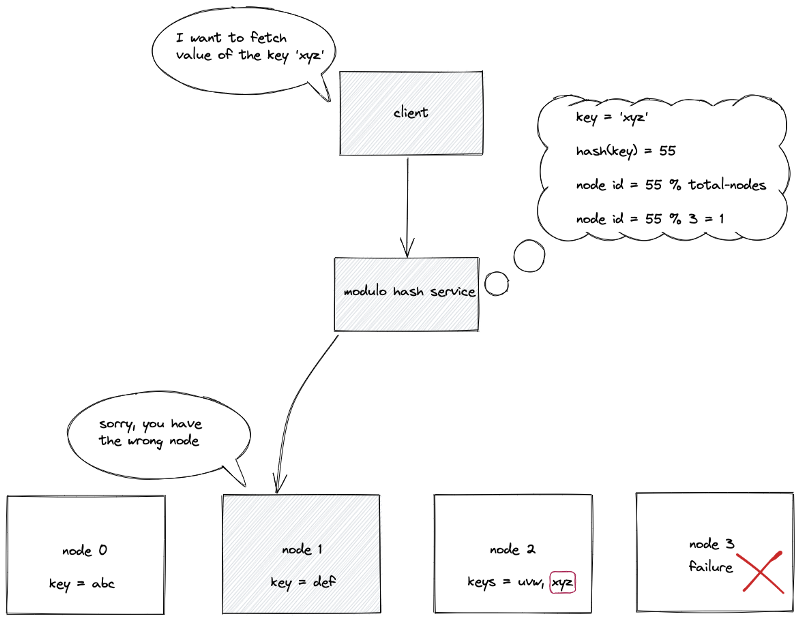
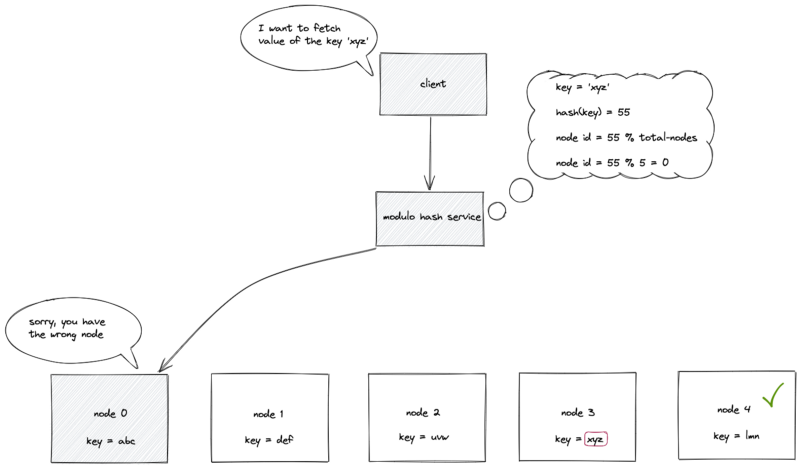
Static hash partitioning attempts to solve this by assigning nodes to positions in an array and using a modulo hash function (node ID = hash(key) mod N) to determine data placement. This offers a constant O(1) time complexity for locating data. However, its major drawback surfaces when the number of nodes changes. The removal or addition of even a single node invalidates existing mappings, requiring a complete re-hashing of the data. This massive data movement and the resulting surge of cache misses can swamp the origin server, defeating the purpose of the caching layer. Figures 7 and 8 in the original analysis visually depict the disruption caused by node failure or addition in static hash partitioning, highlighting the extensive data remapping required.
The Emergence of Consistent Hashing
Consistent hashing provides a more resilient and efficient solution to the challenges posed by dynamic server environments. The core innovation lies in its ability to minimize data remapping when the total number of nodes changes. Instead of relying on a fixed modulo operation, consistent hashing maps both data keys and server identifiers onto a virtual "hash ring."
How Consistent Hashing Works: The Virtual Ring
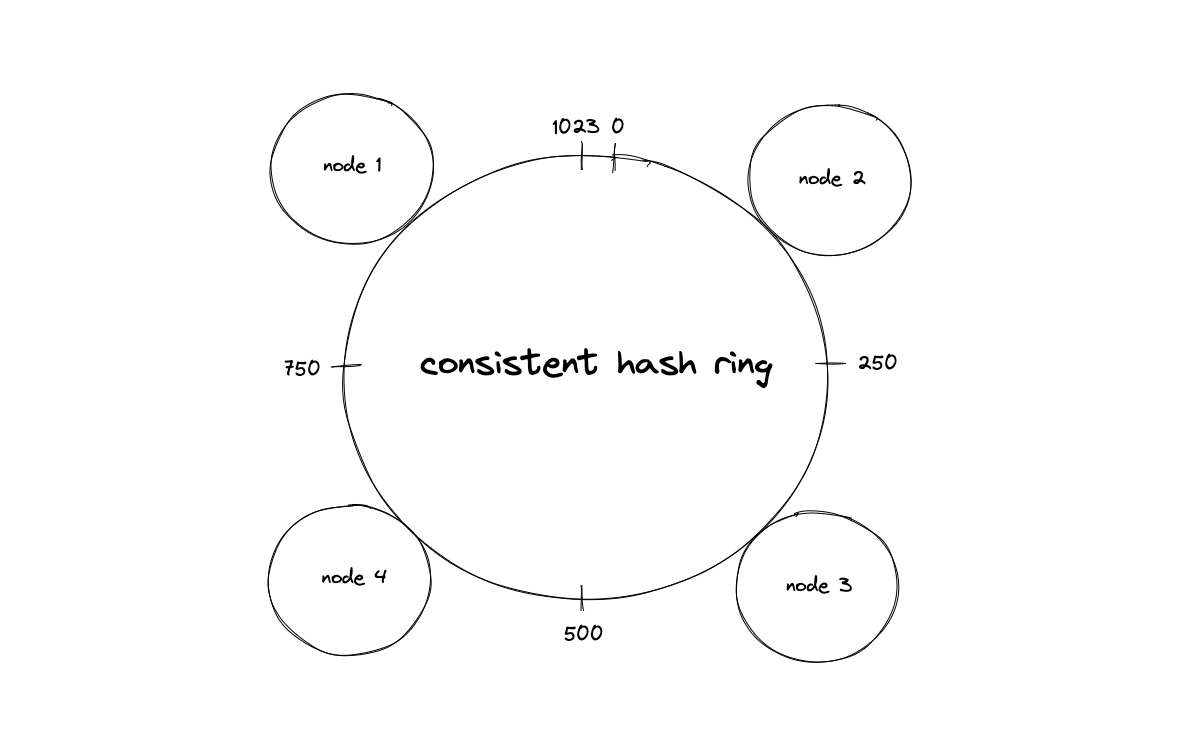
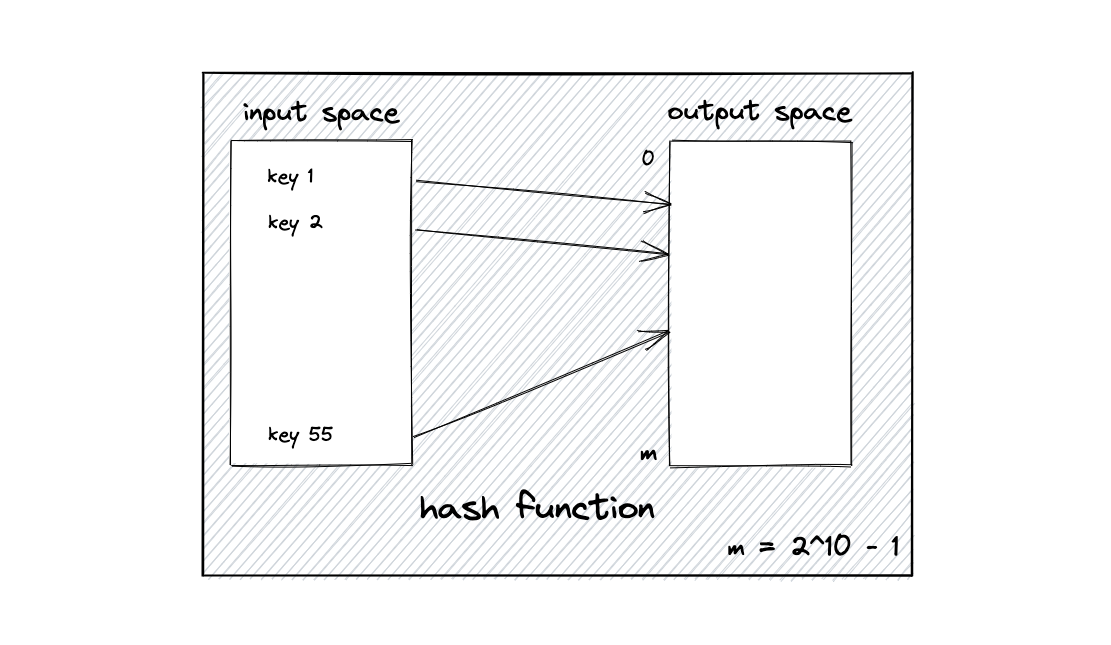
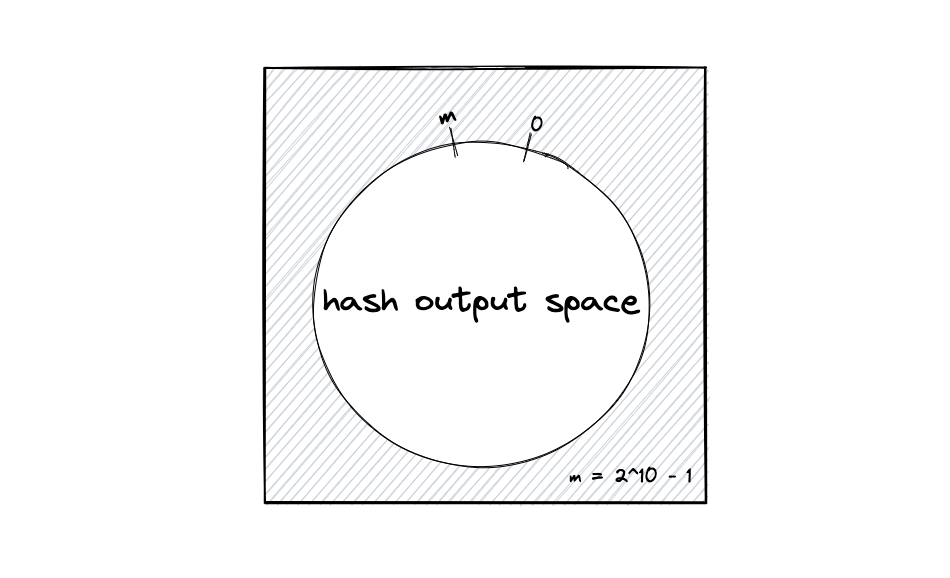
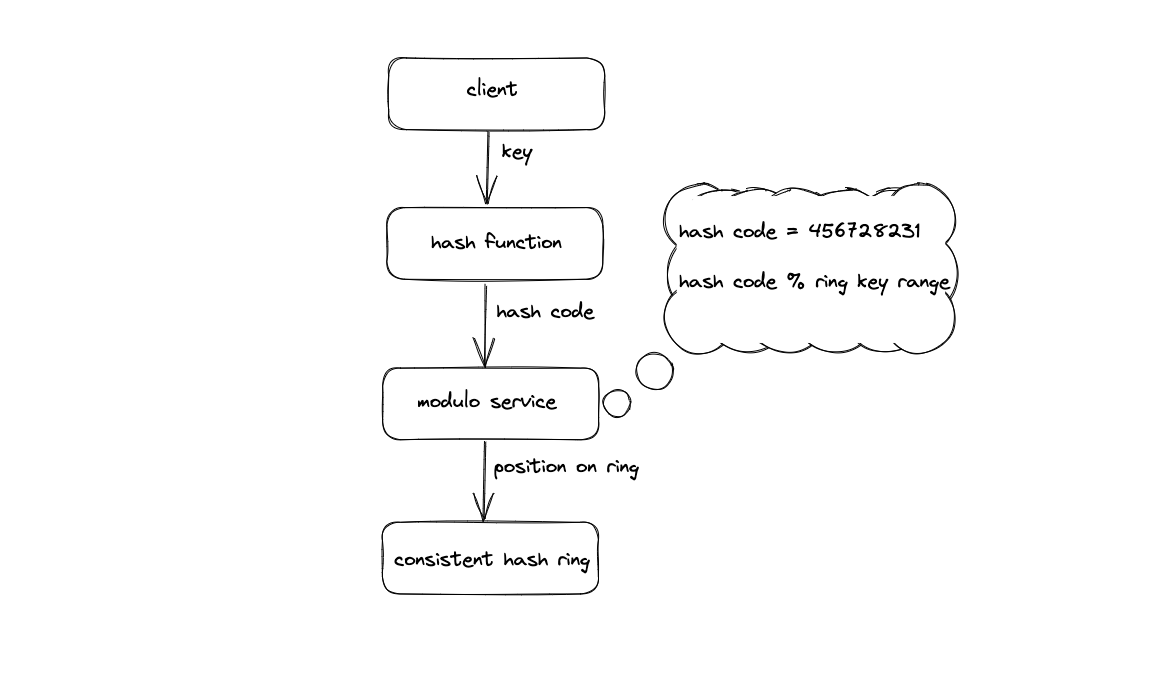
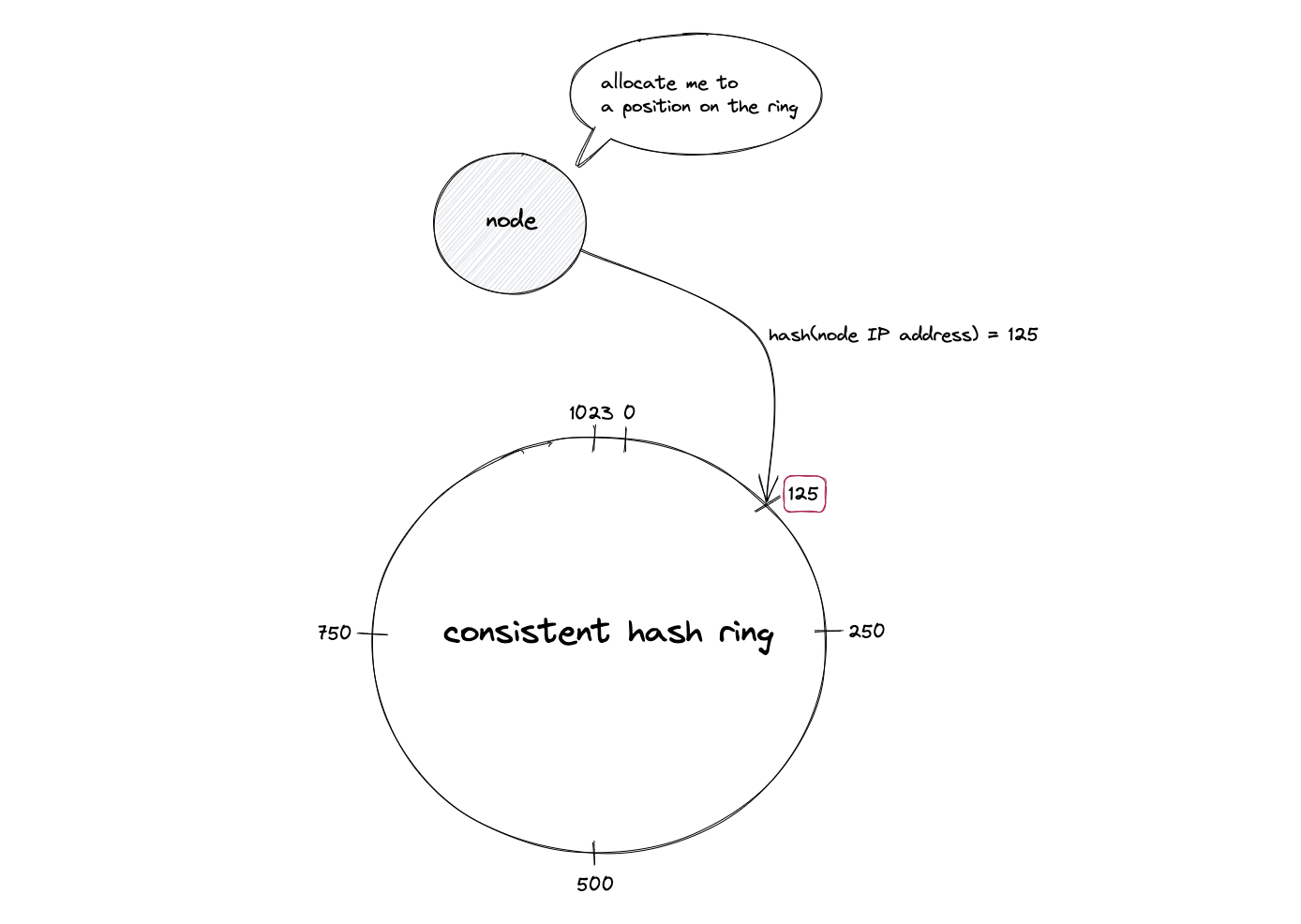
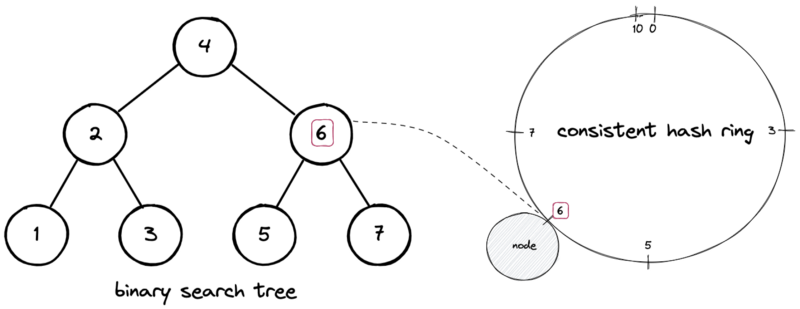
At a high level, consistent hashing operates by assigning positions to both data objects (keys) and cache servers (nodes) on a conceptual circular space, known as a hash ring. This ring represents the entire output range of a chosen hash function. Both node identifiers (e.g., IP addresses or domain names) and data keys are hashed using the same uniform and independent hash function, such as MD5 or SHA-256, although faster non-cryptographic alternatives like MurmurHash or xxHash are often preferred in practice for performance reasons.
The output of the hash function, typically a large integer, determines the position of the node or key on this circular ring. The ring is treated as having a finite number of positions, with the largest hash value wrapping around to connect with the smallest.
Locating Data on the Hash Ring
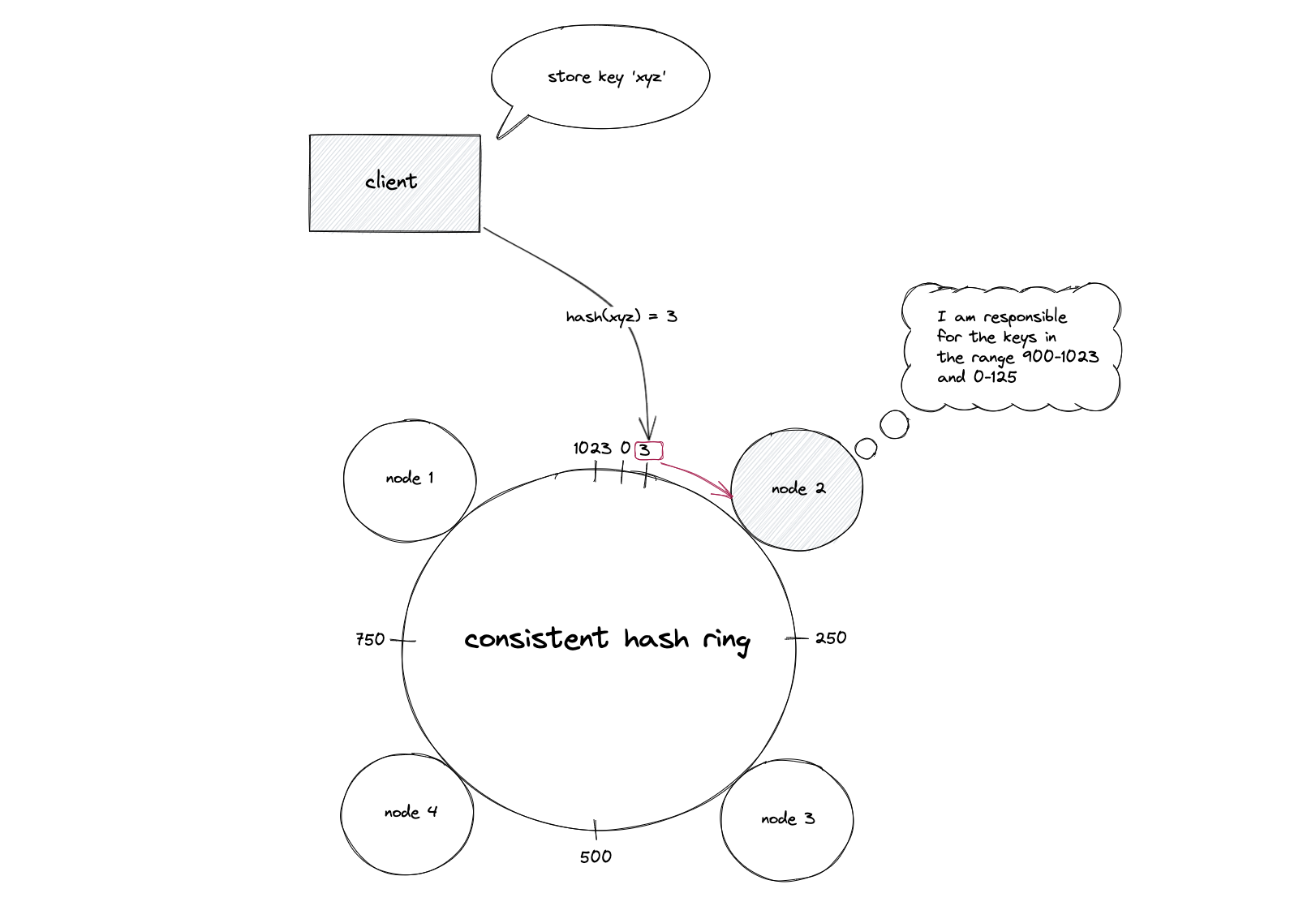
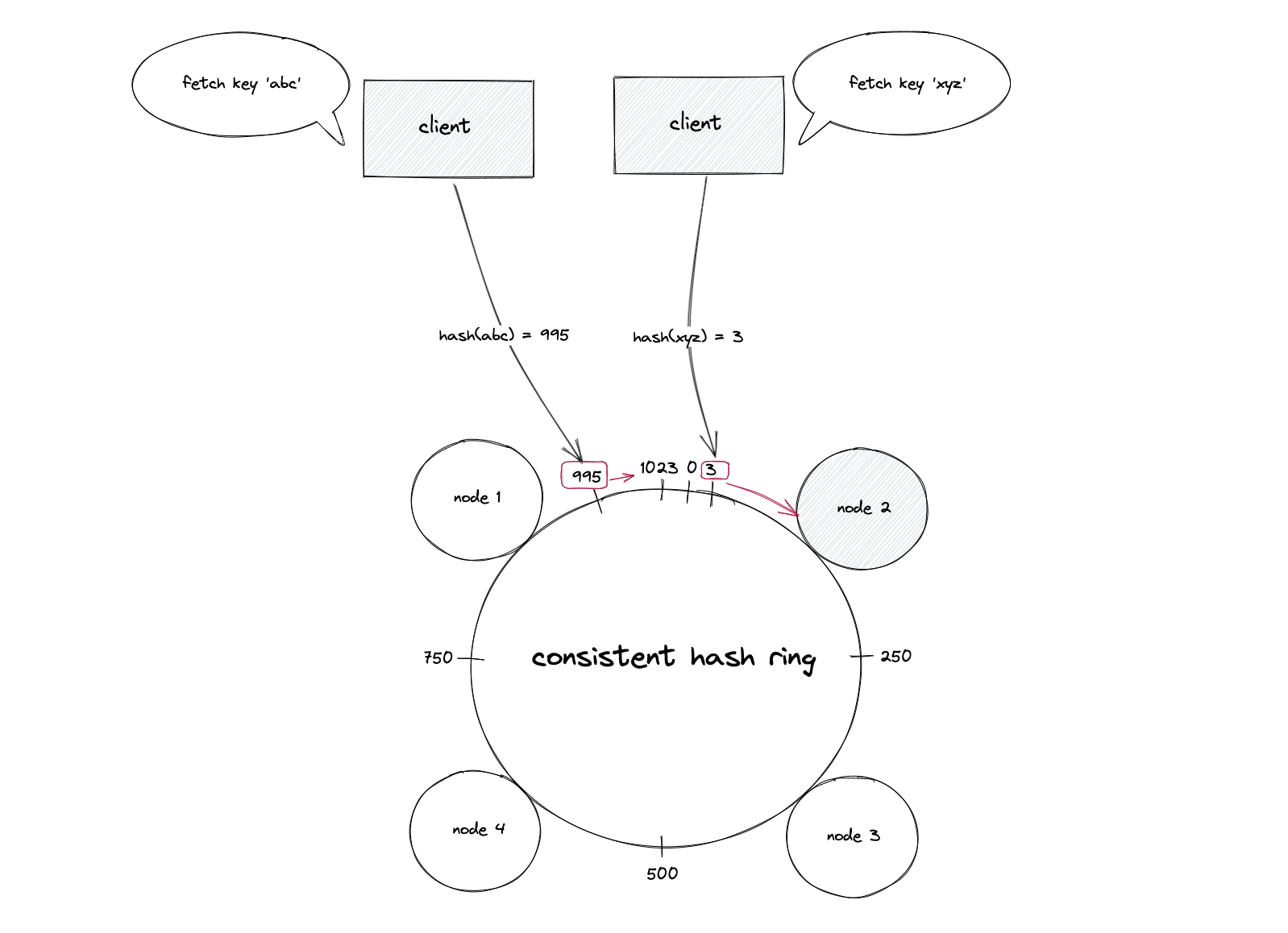
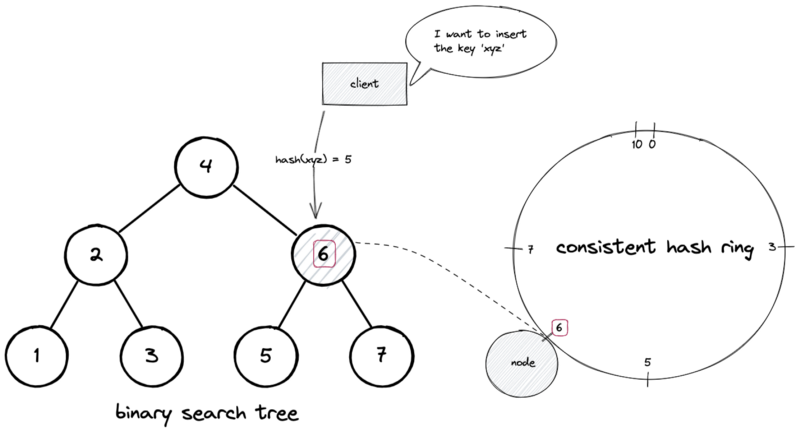
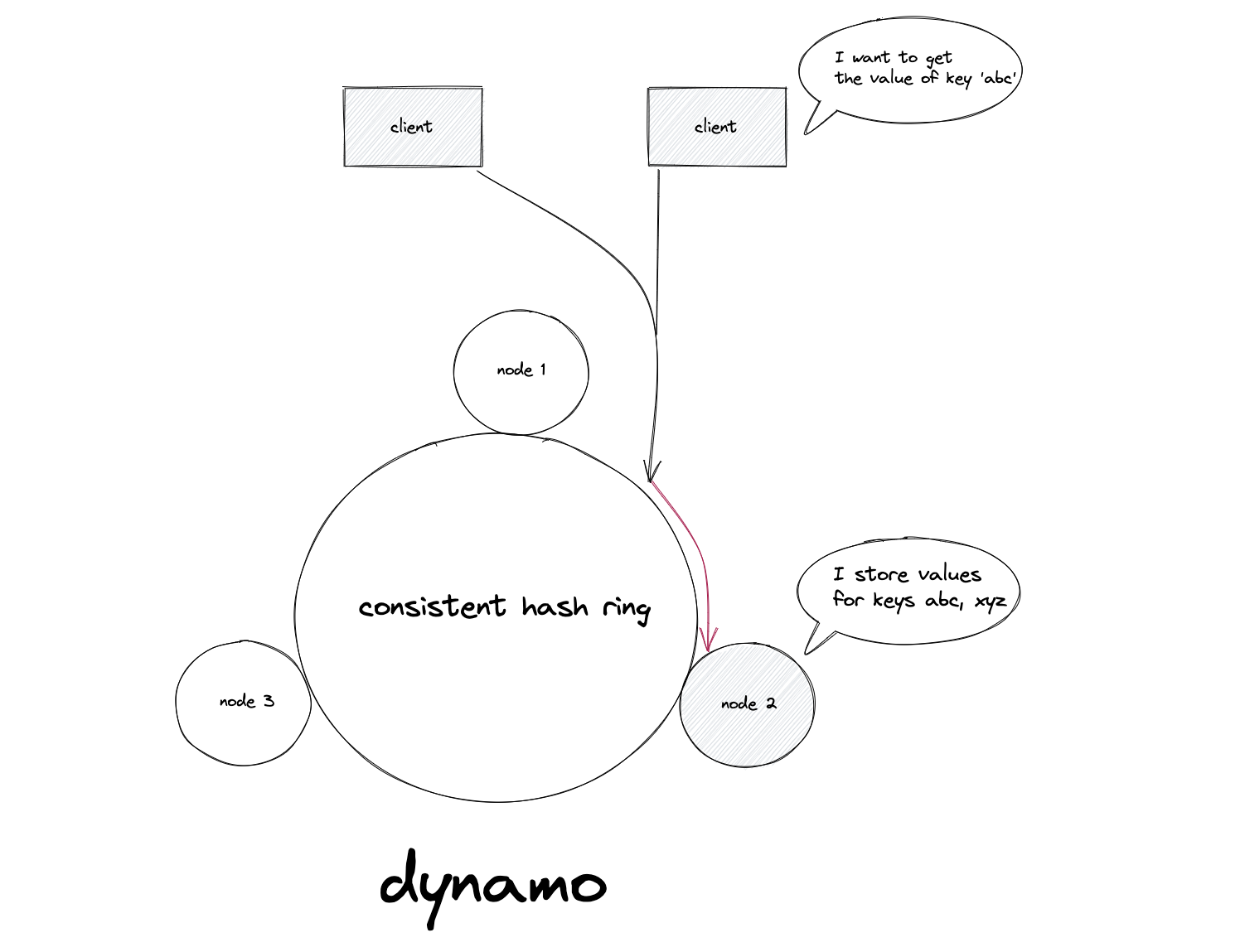
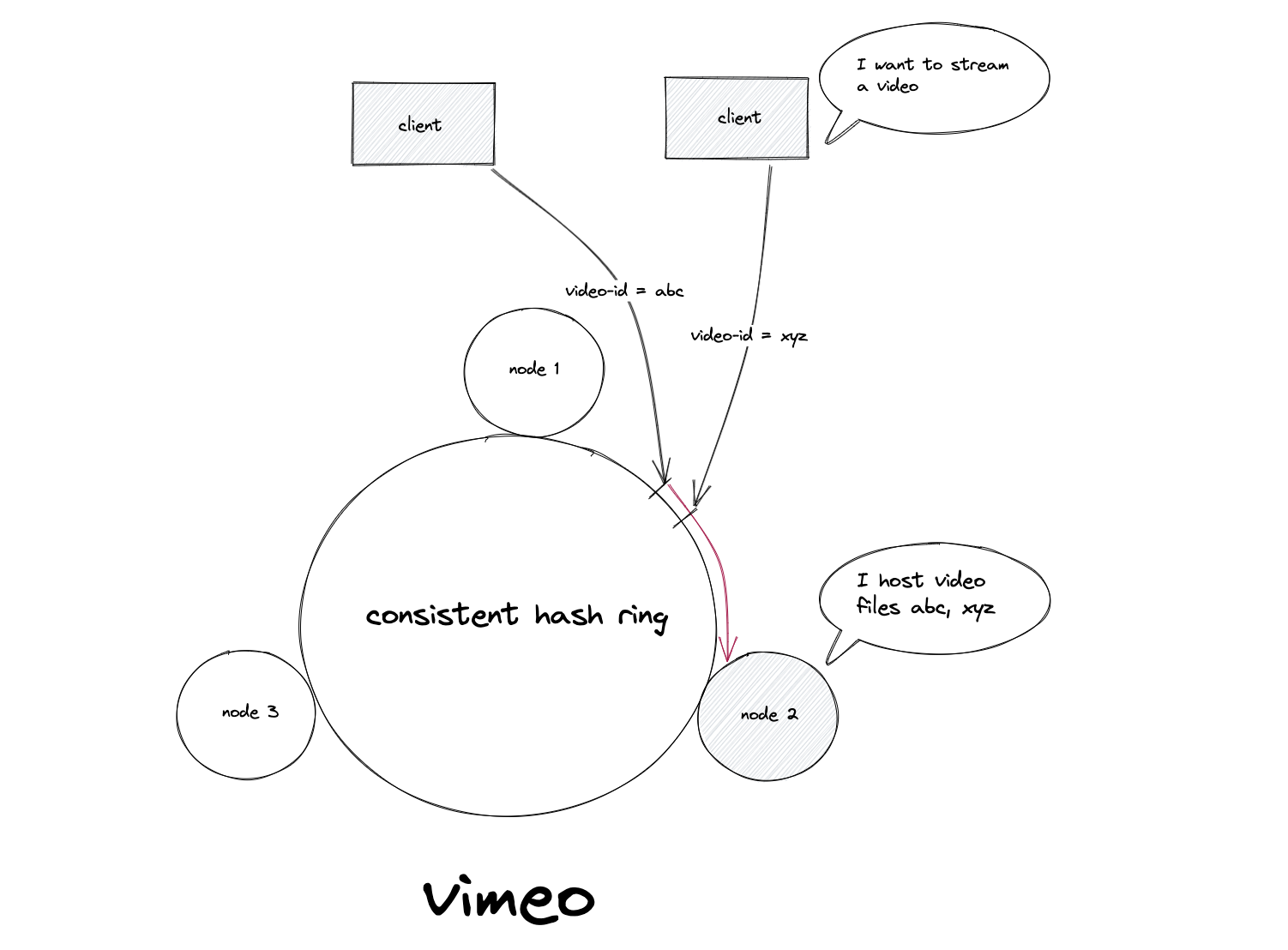
To store or retrieve a data object, its key is hashed, placing it at a specific point on the ring. The system then traverses the ring in a clockwise direction, starting from the key’s position, until it encounters the first node. This node becomes responsible for storing or serving that particular data object. In essence, each node manages the segment of the ring between itself and its preceding node.
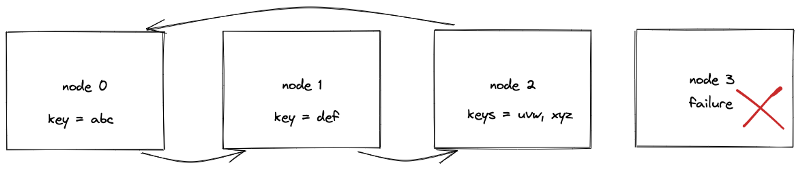
Figure 15 and 16 in the original content vividly illustrate this process: hashing a key places it on the ring, and then the algorithm finds the next node in a clockwise direction to store or retrieve the associated data. This elegant mapping ensures that when a node is added or removed, only a small fraction of the keys are affected.
The Advantage of Minimal Data Movement
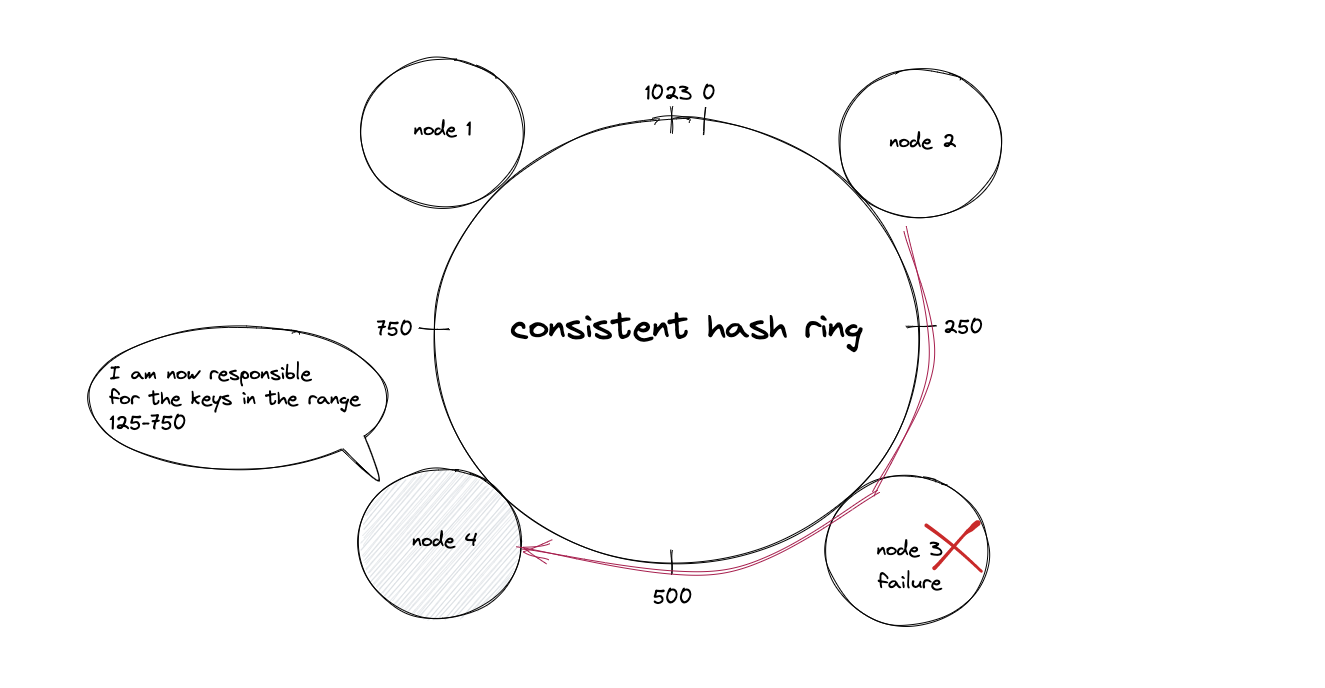
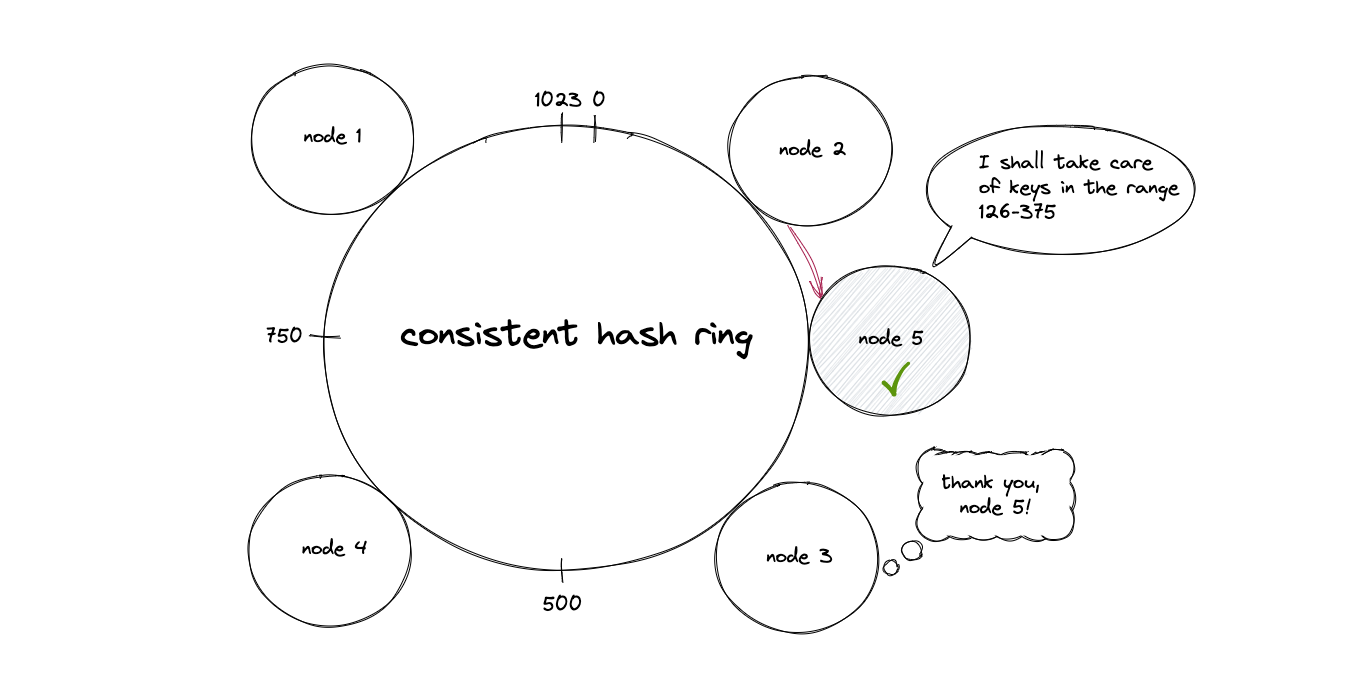
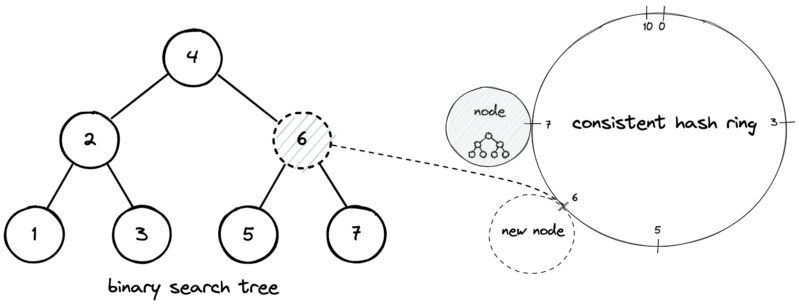
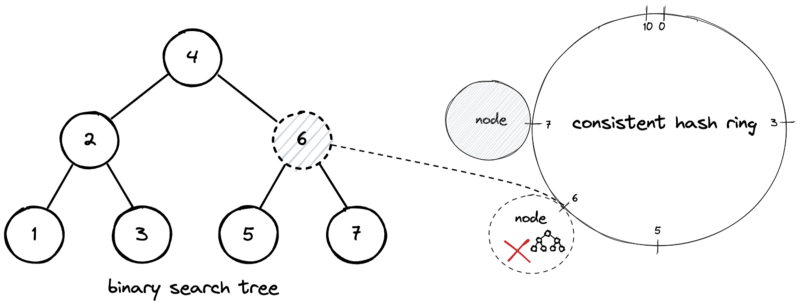
The primary benefit of this approach is the significant reduction in data remapping. When a node is removed from the hash ring (e.g., due to a server crash, as depicted in Figure 17), the data it was responsible for is seamlessly transferred to its immediate successor on the ring. Similarly, when a new node is added (Figure 18), it takes responsibility for a portion of the keys that were previously managed by its clockwise neighbor. This localized impact minimizes disruption and prevents the cascading failures often associated with static hashing.
Addressing Key Requirements in Distributed Systems
The design of effective distributed systems, particularly those involving caching and data distribution, must consider several critical requirements.
Functional Requirements
- Data Distribution: The system must effectively partition and distribute data across multiple nodes.
- Data Retrieval: Clients must be able to efficiently locate and retrieve data.
- Scalability: The system should be able to scale horizontally by adding or removing nodes to accommodate changing load.
- Fault Tolerance: The system should remain available and functional even when individual nodes fail.
Non-Functional Requirements
- Availability: The system should be accessible and operational with minimal downtime.
- Latency: Response times for data retrieval and storage should be minimized.
- Throughput: The system should be able to handle a high volume of requests.
- Consistency: Data should be consistent across the distributed system, though trade-offs may be made for availability.
The Evolution of Partitioning Techniques
The journey towards consistent hashing involved exploring various methods for partitioning data across servers.
- Random Assignment: While providing a potentially uniform distribution, it lacks a predictable mapping for clients.
- Single Global Cache: Simple but suffers from severe performance and availability issues under high load.
- Key Range Partitioning: Offers easier retrieval but often leads to unbalanced loads due to uneven key distribution.
- Static Hash Partitioning: Provides O(1) lookup but fails to scale gracefully when the number of nodes changes, leading to significant data remapping.
Consistent hashing emerged as a superior alternative by addressing the core issue of data remapping during node addition or removal, thereby fulfilling the critical requirement of horizontal scalability and dynamic load management.
Consistent Hashing Implementation and Optimization
The implementation of consistent hashing typically involves a data structure to manage the positions of nodes on the hash ring. A self-balancing binary search tree (BST), such as a Red-Black tree or AVL tree, is often employed. This structure allows for logarithmic O(log n) time complexity for key operations like insertion, deletion, and searching, which is crucial for efficient node management.
Virtual Nodes: Enhancing Uniformity
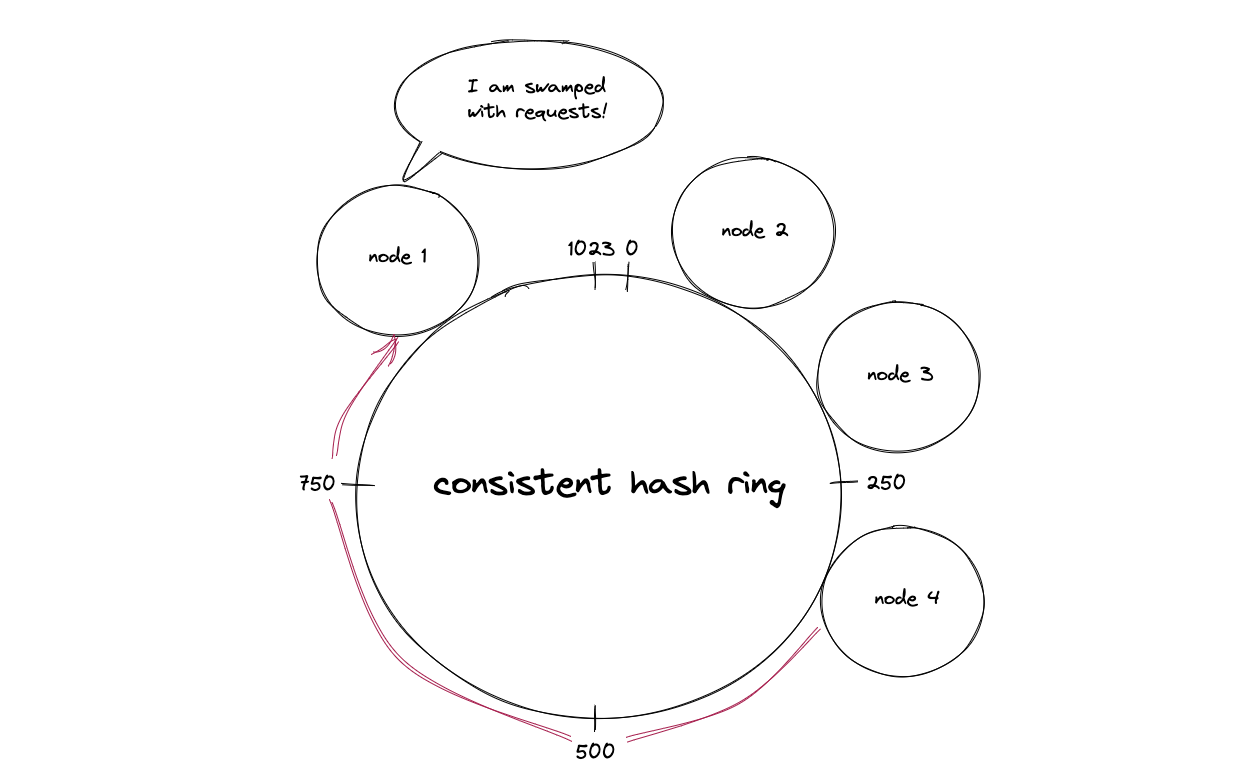
A potential drawback of consistent hashing is the possibility of non-uniform distribution of nodes on the hash ring. This can lead to certain nodes becoming "hotspots," receiving a disproportionately large amount of traffic and potentially causing cascading failures. To address this, the concept of virtual nodes was introduced.
Virtual nodes involve assigning multiple positions on the hash ring to a single physical node. By hashing a node ID multiple times with different seeds or using distinct hash functions, a physical node can be represented by several virtual nodes scattered across the ring. This significantly improves the uniformity of key distribution and load balancing, preventing hotspots. The number of virtual nodes assigned to a physical node can be adjusted based on the node’s capacity, further optimizing load distribution. Figure 20 in the original content illustrates this concept, showing how virtual nodes can distribute load more evenly.
Optimizations for Bounded Loads
Another critical optimization is consistent hashing with bounded loads. This variant ensures that no single node receives an excessive amount of traffic beyond a predefined limit relative to the average load. If a node becomes overloaded due to a surge in popularity of a particular data object, incoming requests can be delegated to fallback nodes. This mechanism helps maintain service stability and prevents performance degradation. Figure 30 demonstrates how this approach manages overloaded nodes.
Asymptotic Complexity
The efficiency of consistent hashing operations can be analyzed using asymptotic complexity:
| Operation | Time Complexity | Description |
|---|---|---|
| Add a node | O(k/n + log n) | O(k/n) for key redistribution, O(log n) for BST traversal |
| Remove a node | O(k/n + log n) | O(k/n) for key redistribution, O(log n) for BST traversal |
| Add a key | O(log n) | O(log n) for BST traversal |
| Remove a key | O(log n) | O(log n) for BST traversal |
Where ‘k’ represents the total number of keys and ‘n’ represents the total number of nodes. This complexity highlights the efficiency of consistent hashing, especially compared to static hashing’s performance degradation during node changes.

Real-World Applications and Impact
Consistent hashing is not merely a theoretical construct; it is a foundational technology powering many of the internet’s most prominent services.
- Distributed Databases: Systems like Amazon DynamoDB, Apache Cassandra, and Riak leverage consistent hashing for dynamic data partitioning, enabling incremental scalability.
- Content Delivery Networks (CDNs): Netflix uses consistent hashing to distribute video content across its vast CDN, ensuring efficient streaming to users worldwide.
- Caching Systems: Memcached clients, such as libketama, employ consistent hashing for intelligent distribution of cache keys across multiple servers.
- Load Balancers: HAProxy incorporates bounded-load consistent hashing to distribute traffic effectively and prevent overload on individual servers.
- Real-time Communication Platforms: Discord utilizes consistent hashing to manage the allocation of chat servers to millions of concurrent users, ensuring seamless communication.
These examples underscore the transformative impact of consistent hashing on the scalability, availability, and performance of modern distributed systems.
Handling Concurrency and Choosing Hash Functions
In a distributed environment, multiple nodes might attempt to modify the hash ring concurrently. To manage this, synchronization mechanisms like readers-writer locks are employed for the underlying BST data structure, ensuring data integrity at the cost of a slight latency increase.
The choice of hash function is critical. While cryptographic hashes like MD5 and SHA-256 offer strong uniformity, their computational cost can be prohibitive. Faster, non-cryptographic hash functions like MurmurHash, xxHash, or MetroHash are generally preferred for their balance of speed and output distribution.
Benefits and Drawbacks
Benefits of Consistent Hashing:

- Minimized Data Reordering: Significantly reduces the amount of data that needs to be moved when nodes are added or removed.
- Improved Scalability: Allows systems to scale horizontally with minimal disruption.
- Enhanced Availability: Ensures continued service availability even during node failures or additions.
- Load Balancing: Distributes load more evenly across available nodes.
- Fault Tolerance: Gracefully handles node failures by rerouting traffic.
Drawbacks of Consistent Hashing:
- Non-Uniform Load Distribution: Without optimizations like virtual nodes, certain nodes can become overloaded.
- Increased Complexity: Implementing and managing consistent hashing can be more complex than simpler hashing schemes.
- Potential for Hotspots: If not properly managed, specific nodes can still become performance bottlenecks.
The introduction of virtual nodes and bounded load mechanisms effectively mitigates many of these drawbacks, making consistent hashing a highly robust and adaptable solution for complex distributed systems.
Conclusion
Consistent hashing represents a significant advancement in the field of distributed systems. By intelligently mapping data and nodes onto a virtual ring, it elegantly solves the persistent challenge of dynamic load management and server scalability. Its ability to minimize data remapping, enhance availability, and distribute load efficiently has made it an indispensable component in the architecture of countless internet-scale applications. As the digital landscape continues to evolve, the principles of consistent hashing will undoubtedly remain a cornerstone of building resilient and high-performing distributed systems.