Samsung S90H OLED TV Review: A Mid-Range Powerhouse Challenging the Industry Standard

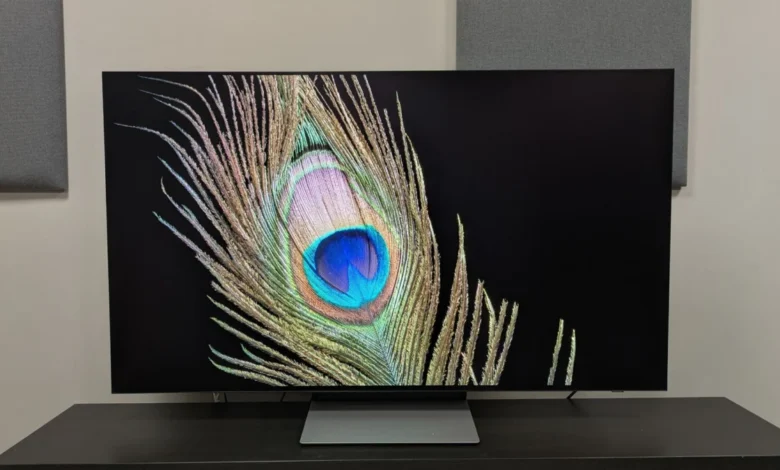
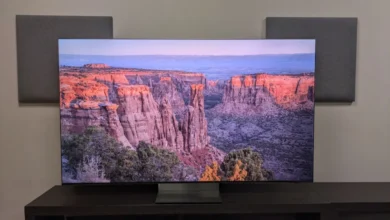
Samsung’s latest mid-range OLED television for the 2026 model year has officially arrived, bringing a sophisticated balance of high-performance home theater capabilities and competitive next-generation gaming features. Positioned strategically above the entry-level S85H and just beneath the flagship S95H (marketed as the S99H in the United Kingdom), the Samsung S90H aims to capture the attention of consumers seeking elite panel performance without stepping up to top-tier flagship pricing. Following exhaustive laboratory testing, side-by-side comparative evaluations against direct market rivals, and extended everyday usage, industry analysts have found the S90H to be a compelling, feature-rich display that redefines expectations for mid-tier consumer electronics.
Display Technology and Panel Engineering
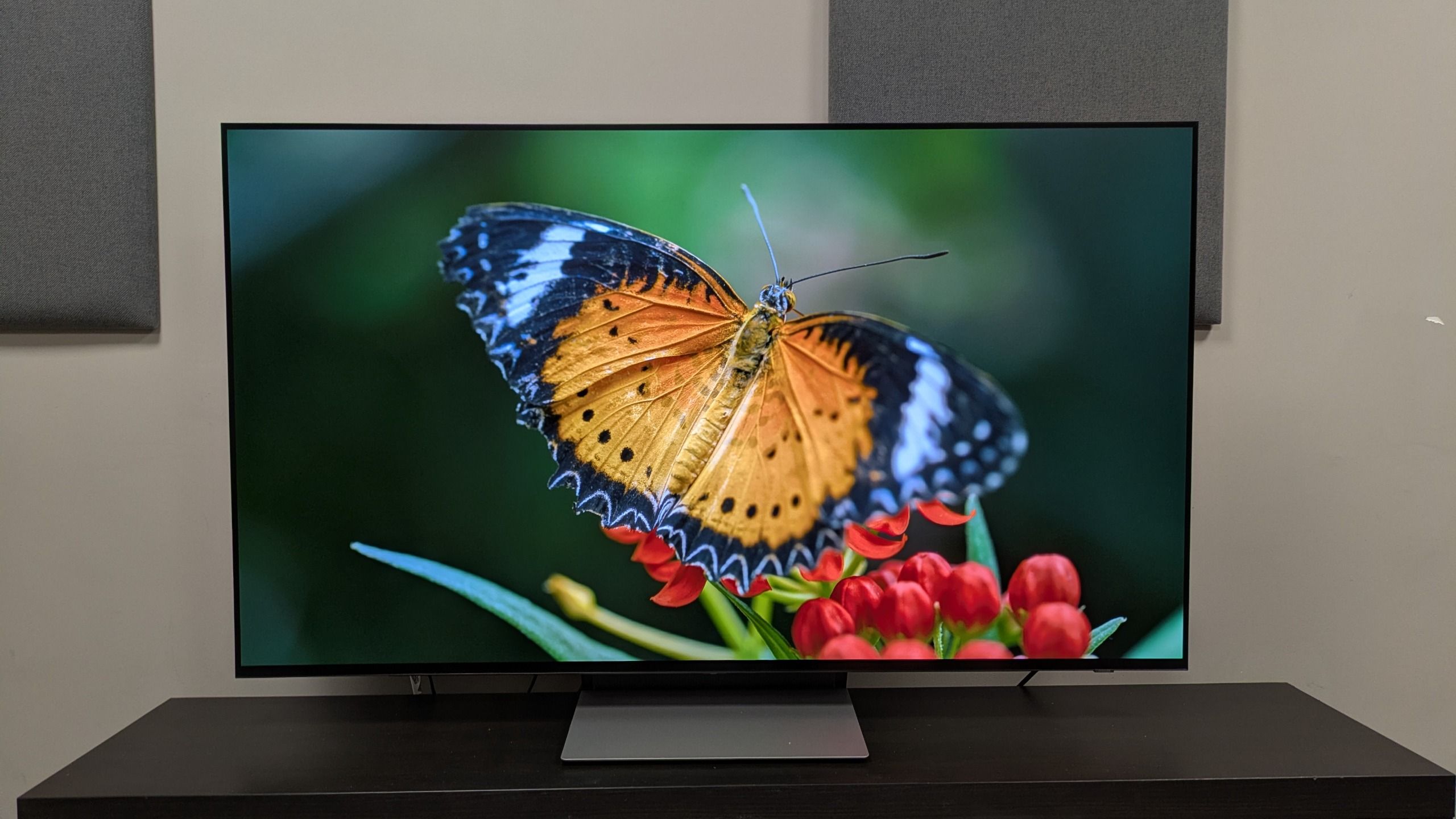
The manufacturing specifications of the Samsung S90H reveal a deliberate effort by the electronics giant to optimize panel distribution across global markets and screen sizes. While previous iterations fluctuated between panel technologies depending on regional distribution, the 2026 S90H lineup primarily incorporates advanced WOLED panels across the majority of its available footprints. The specific 55-inch review unit tested for baseline benchmarks utilized a standard WOLED configuration, which nonetheless demonstrated exceptional capabilities under both controlled dark-room conditions and high-ambient-light living spaces.
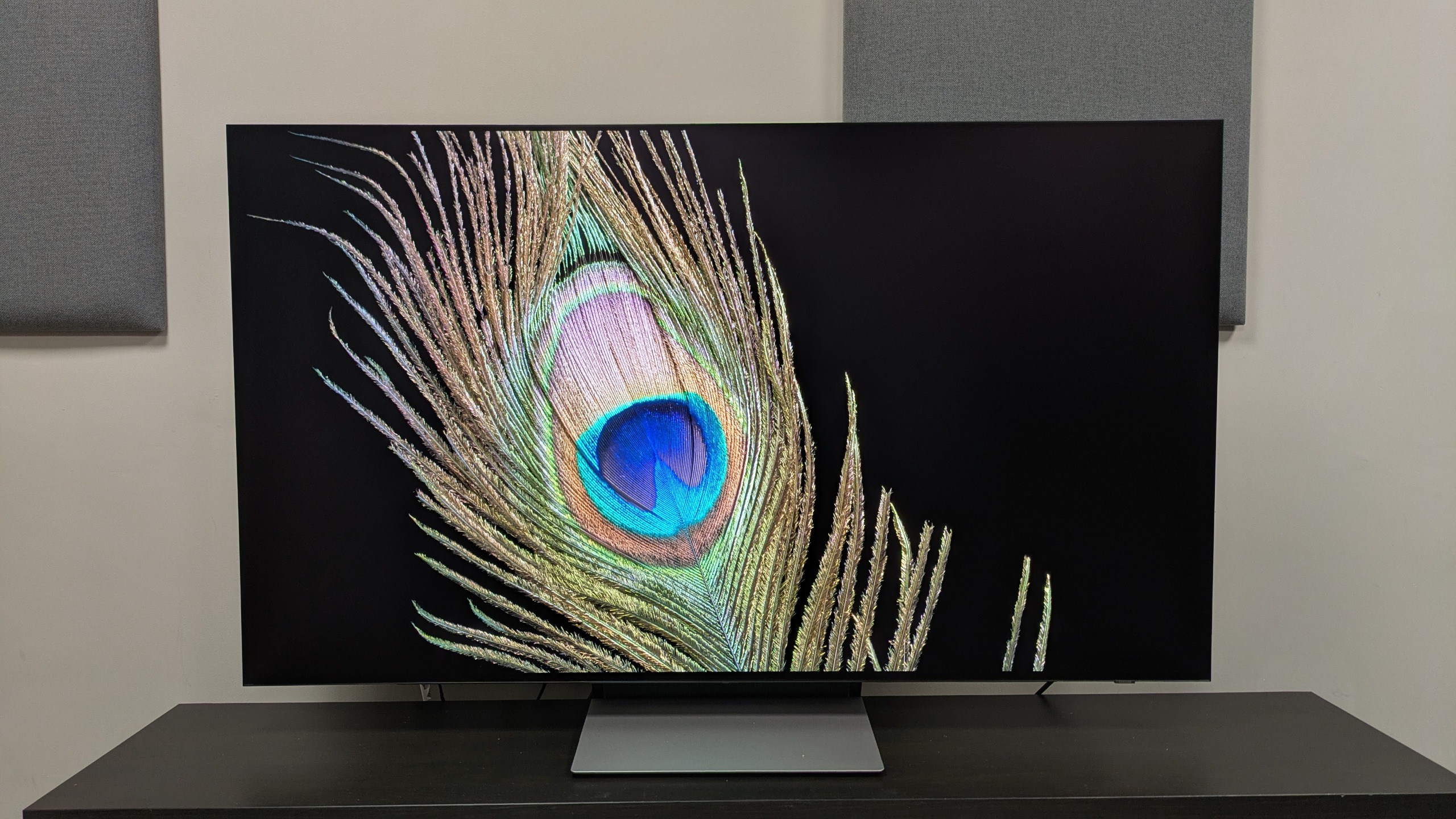
At the core of the S90H’s visual processing architecture is Samsung’s proprietary NQ4 AI Gen 3 processor. This is the exact same silicon engine deployed in the manufacturer’s flagship S95H/S99H series, granting the mid-range model access to sophisticated machine-learning features such as Real Depth Enhancer Pro and AI 4K Upscaling Pro. These tools actively evaluate incoming video signals, automatically sharpening environmental textures, clarifying background details, and enhancing the perceived dimensionality of on-screen subjects without introducing unnatural digital artifacts.
Brightness Measurements and Dynamic Range Performance

Historically, peak luminance has been a primary differentiator separating premium OLED televisions from their LED and mini-LED counterparts. The Samsung S90H challenges this historical limitation by registering an impressive 1,689 nits of peak HDR brightness on a standard 10% white window test pattern when operating in Filmmaker Mode. This figure comfortably surpasses several key competitors in the mid-range segment, including the rival LG C6, which logged 1,427 nits under identical testing parameters. Furthermore, fullscreen HDR brightness on the S90H reached 305 nits, again outperforming the C6’s 247-nit output.
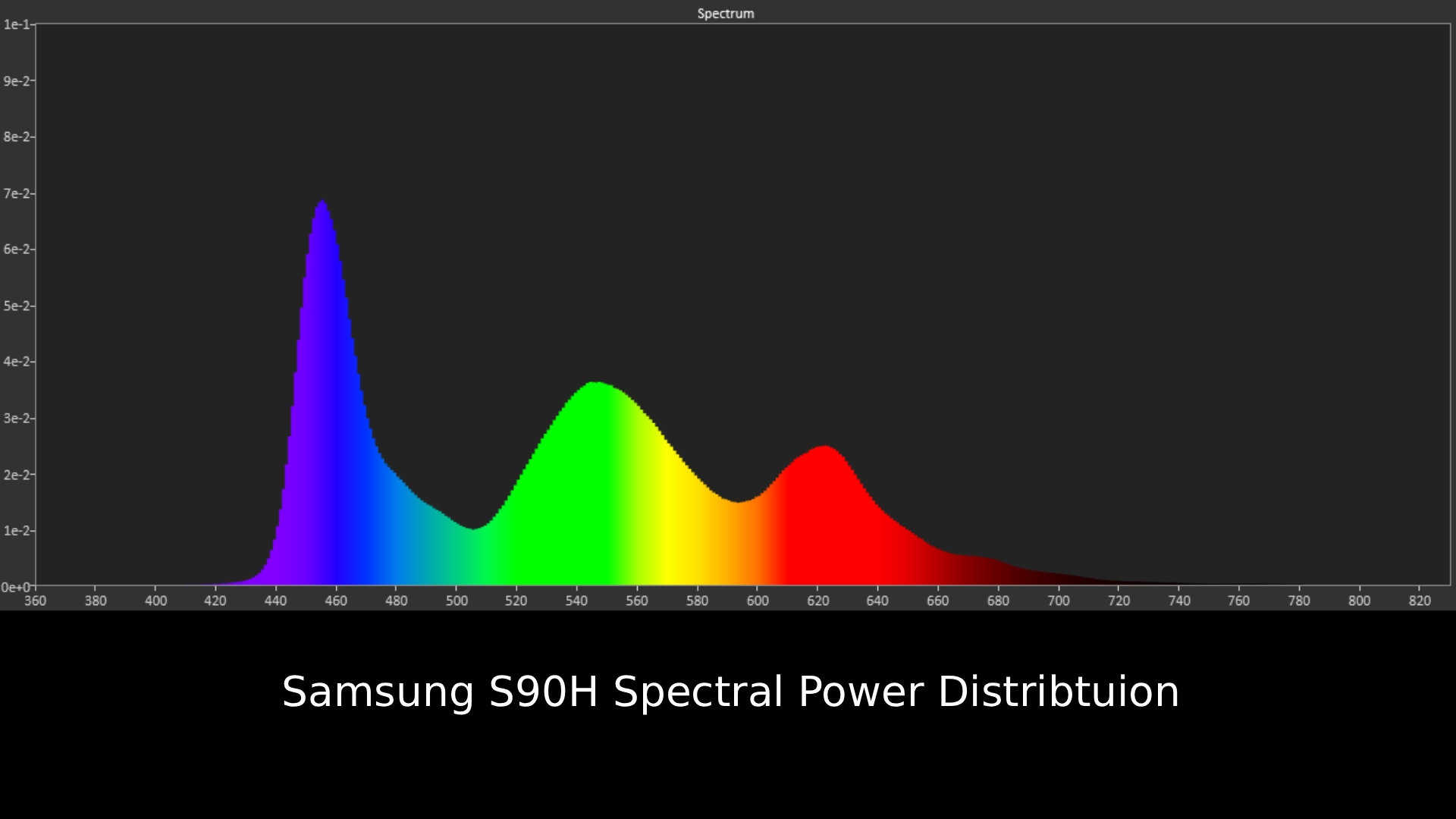
In practical viewing scenarios, these laboratory metrics translate to punchy, vibrant color reproduction and striking contrast management. When subjected to rigorous HDR color gamut testing, the S90H achieved 99.3% coverage of the UHDA-P3 (DCI-P3) color space and 76.5% coverage of the wider BT.2020 color space. These measurements align closely with the performance profiles of significantly more expensive flagship displays, validating the television’s capacity to render wide color spectrums accurately.
Despite these impressive numerical achievements, comparative viewing tests reveal subtle nuances in image processing philosophies. Side-by-side evaluations against the LG C6 demonstrated that the C6 occasionally yielded a higher perceived brightness during complex cinematic sequences, largely driven by LG’s proprietary tone-mapping algorithms. Conversely, Samsung’s inclusion of an effective anti-glare screen coating—the OLED Glare Free technology—significantly mitigates mirror-like reflections in sunlit rooms. This design choice ensures that dark scenes remain visible and detailed even when viewed in challenging, brightly lit environments where traditional glossy OLED panels typically struggle.
Cinematic Performance and Calibration Nuances
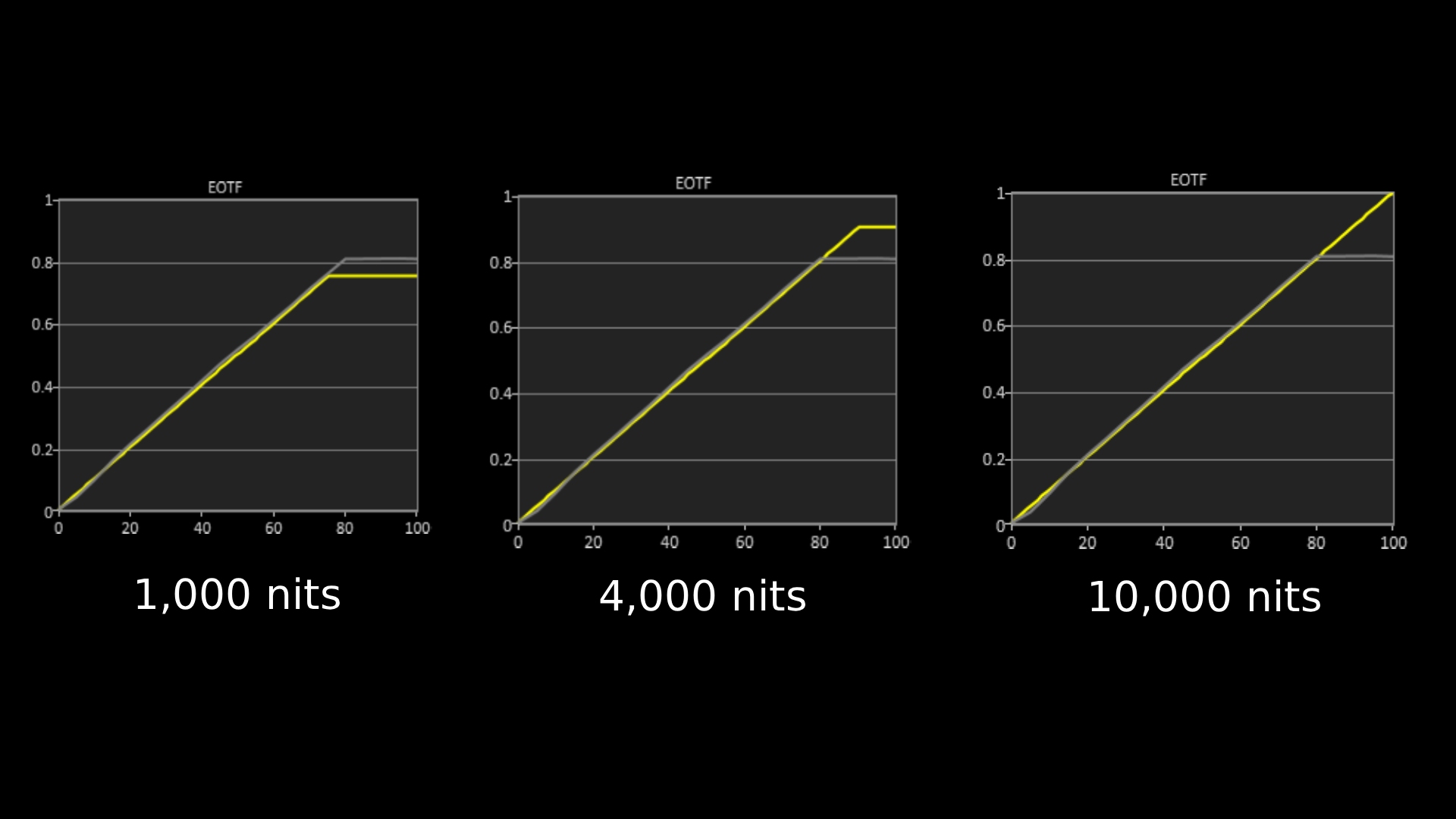
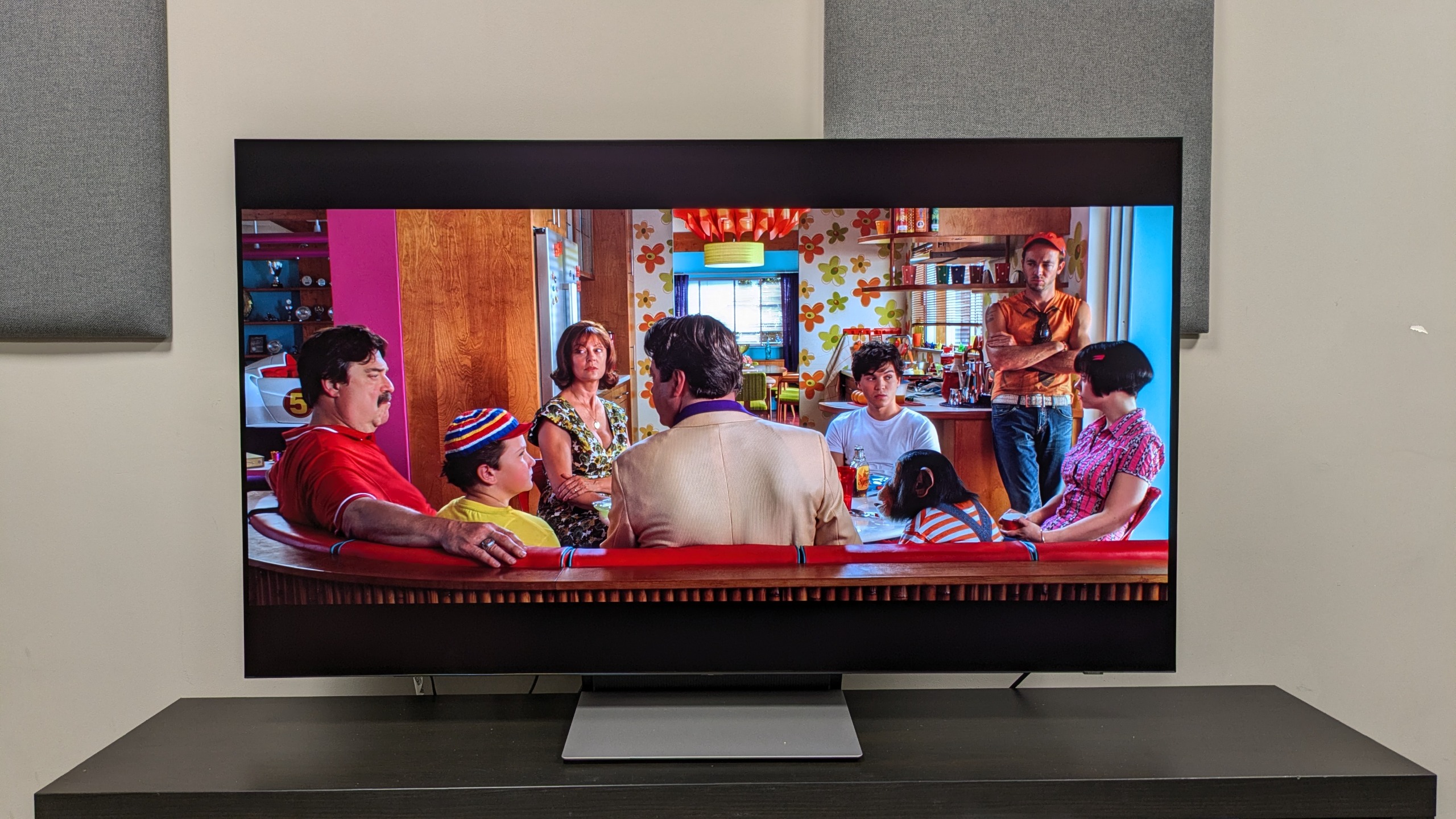
Evaluating the S90H with reference 4K Blu-ray material highlights its strengths in color fidelity and texture rendering. Vibrant, saturated sequences—such as the candy-colored interiors in Speed Racer or the iconic primary colors in animated features—are handled with exceptional vibrancy and clarity. Grayscale tracking and Electro-Optical Transfer Function (EOTF) measurements confirm that the S90H adheres closely to reference standards out of the box, displaying minimal deviation from target luminance curves in Filmmaker Mode.
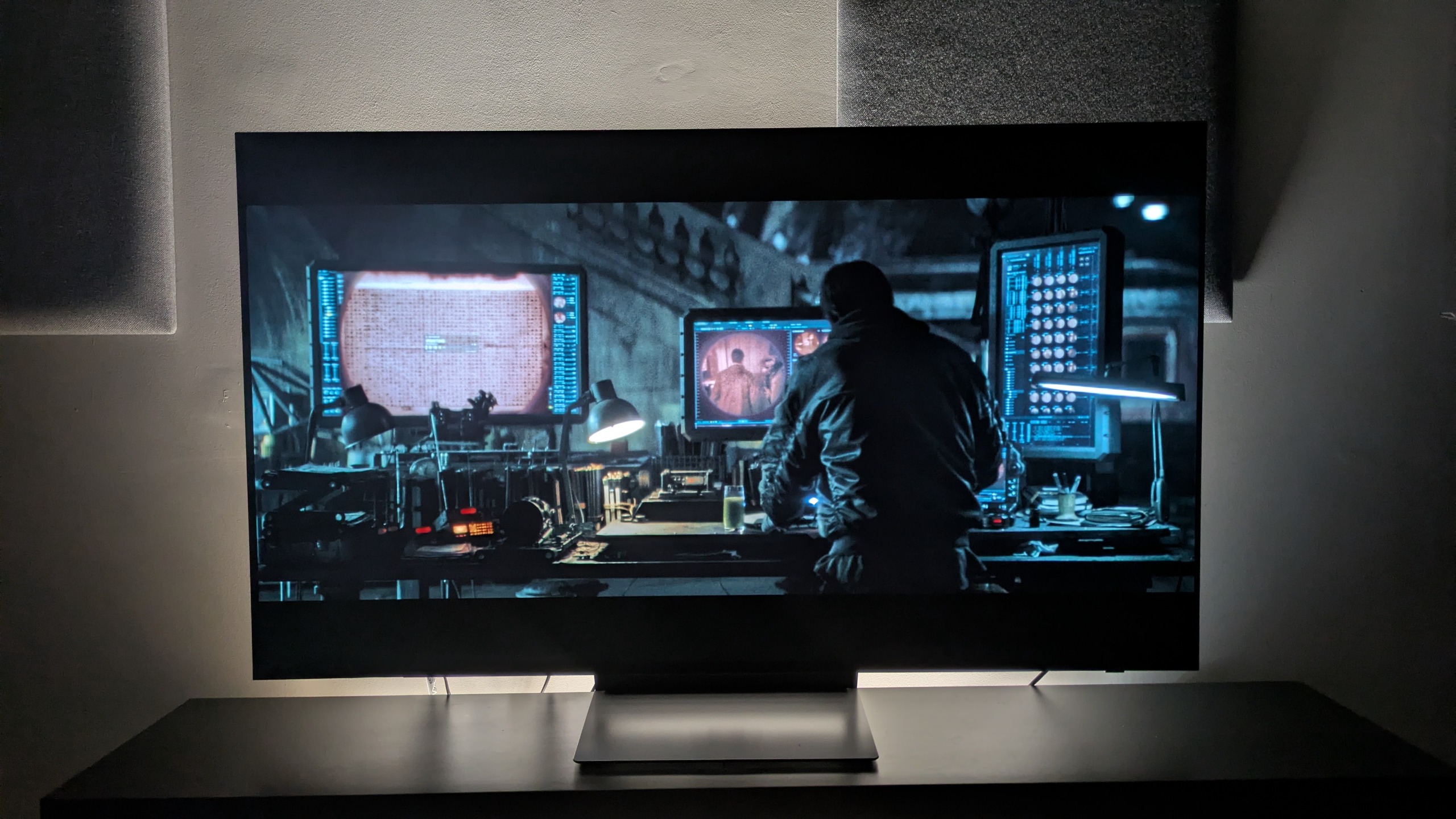
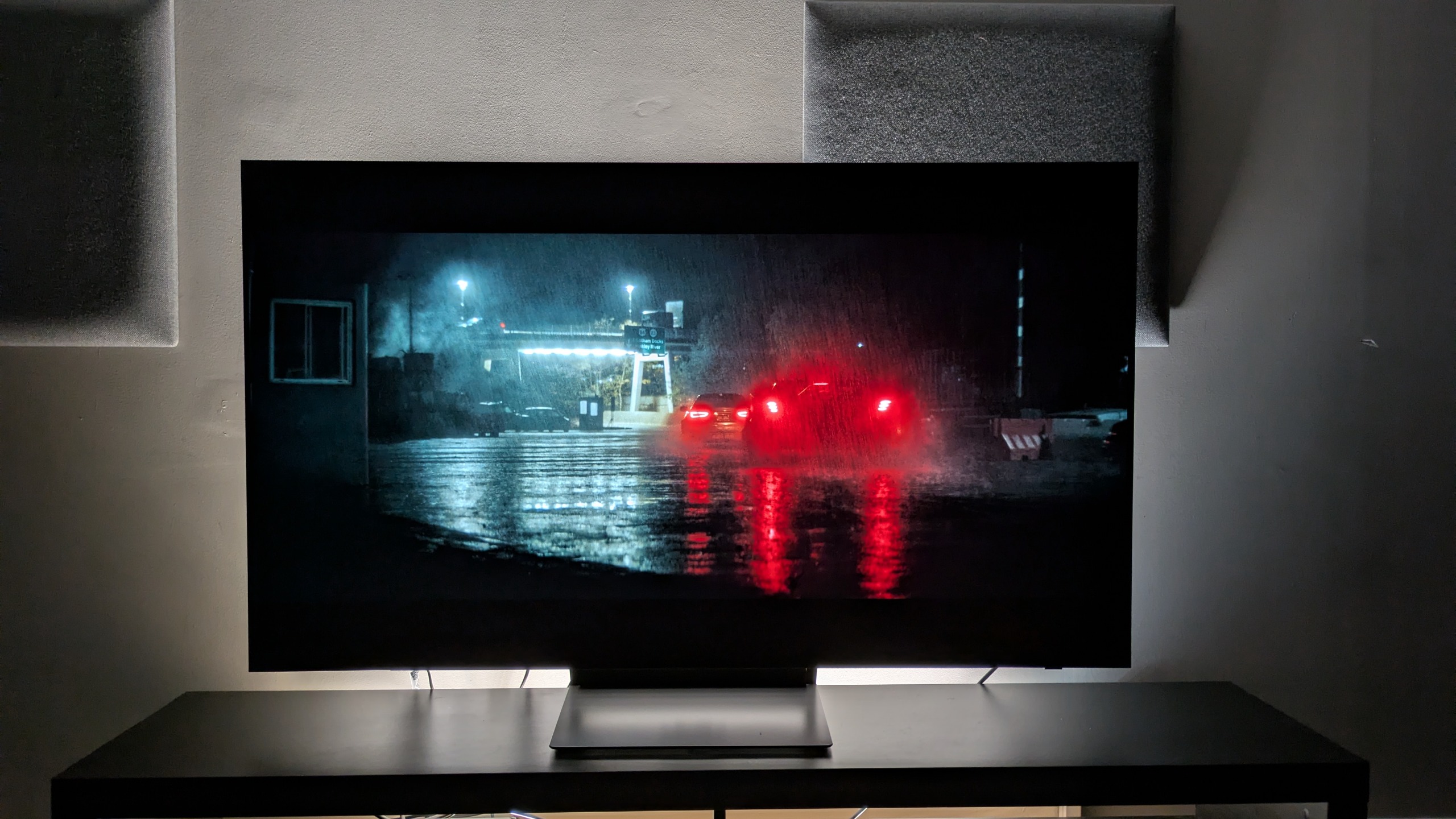
However, the display is not entirely without configuration hurdles. Extended testing revealed instances of black crush during default Filmmaker Mode playback of notoriously dark cinematic releases, such as The Batman and Project Hail Mary. Deep shadow details occasionally dissolved into inky blackness, resulting in minor information loss in dimly lit background environments. Fortunately, calibrators and discerning users can easily mitigate this phenomenon by increasing the television’s dedicated Shadow Detail setting from its baseline value to higher increments.
Motion handling is another area requiring precise user tuning. Out-of-the-box factory defaults set both Blur and Judder reduction to their maximum levels, which introduces noticeable motion artifacts, including ball ghosting during fast-paced sports broadcasts. Reducing the Blur slider to 3 and setting Judder reduction between 5 and 6 yields an optimal balance, delivering cinematic film cadences and smooth sports action without generating an artificial soap-opera effect.
Next-Generation Gaming Integration
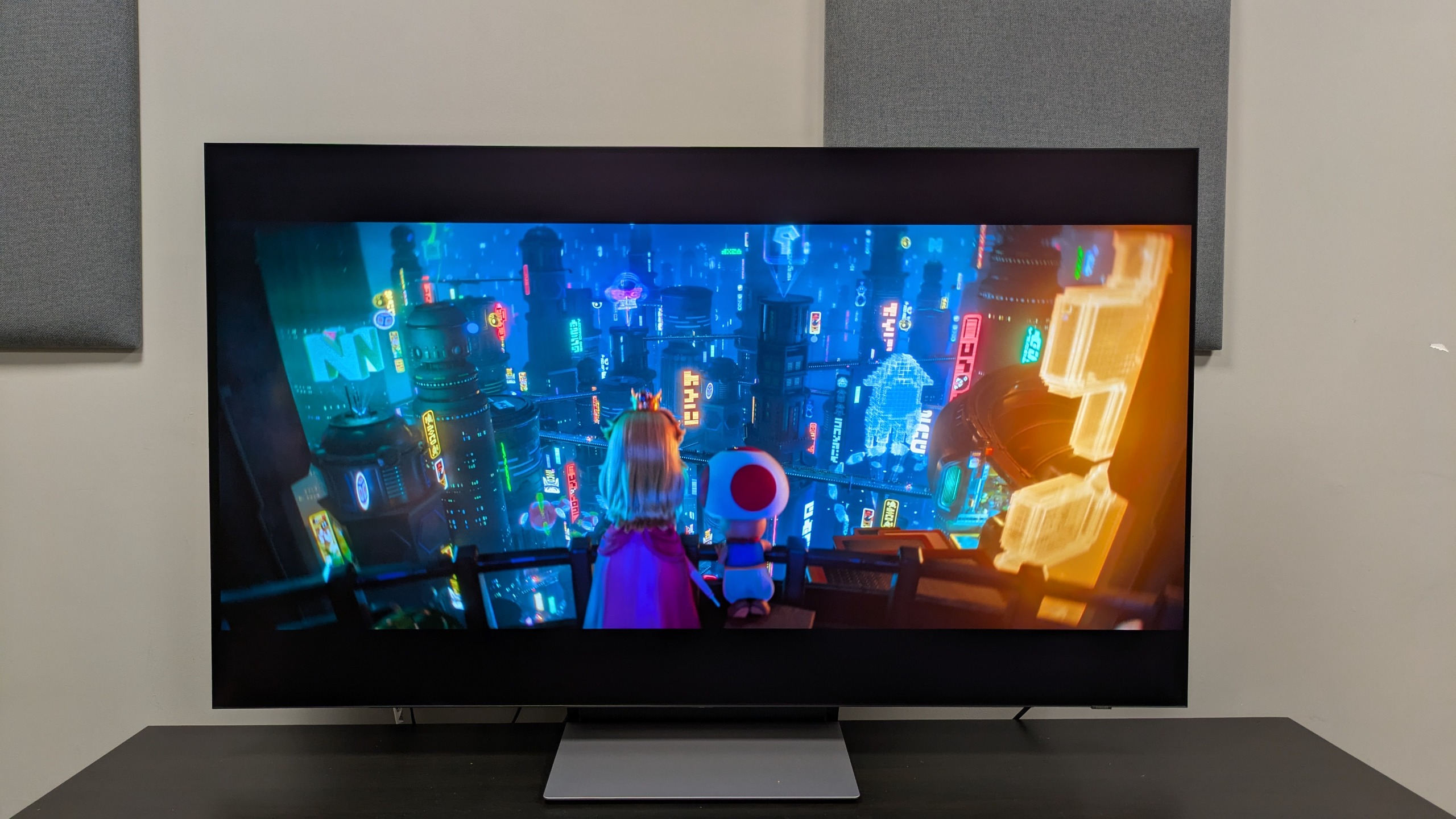
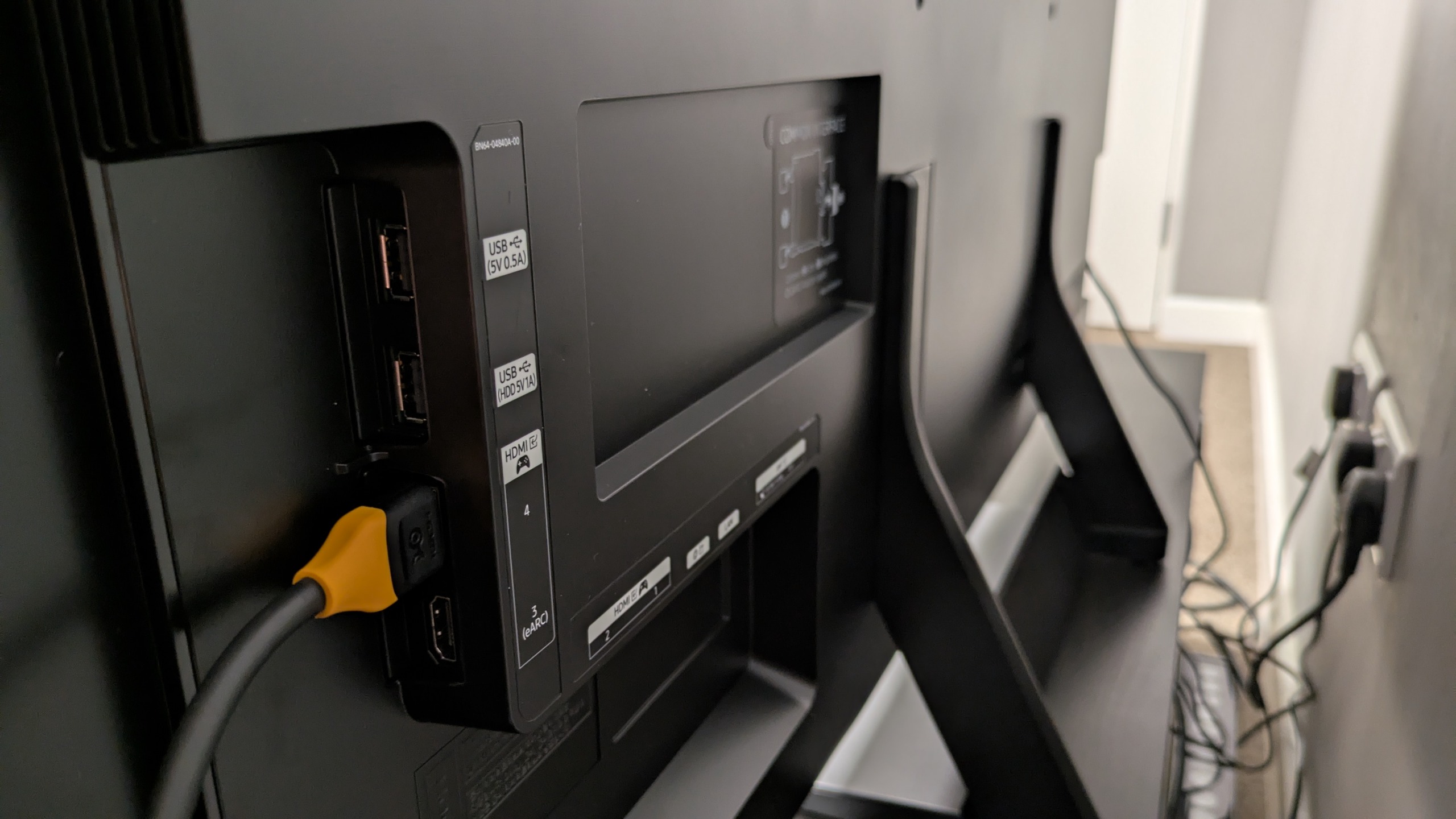
For the growing demographic of consumers utilizing high-end televisions as primary gaming monitors, the Samsung S90H delivers an exceptionally robust feature set. Equipped with four fully compliant HDMI 2.1 ports, the display supports high-bandwidth 4K gaming at refresh rates up to 165Hz. Variable Refresh Rate (VRR) implementation is comprehensive, covering both AMD FreeSync Premium and NVIDIA G-Sync compatibility, alongside Auto Low Latency Mode (ALLM) and HDR10+ Gaming protocols.
Input lag measurements underscore the display’s competitive edge. Utilizing specialized testing hardware, the S90H registered an ultra-low input lag of just 9.2 milliseconds at 4K/60Hz, dropping further to an exceptional 4.8 milliseconds at 1080p/120Hz. In practical gameplay evaluations involving fast-paced first-person shooters like Battlefield V, these hardware specifications manifest as instantaneous response times, fluid motion rendering, and a complete absence of input stutter during high-intensity tactical engagements. Additionally, the integrated Tizen-powered Game Hub consolidates cloud gaming applications—such as Xbox Cloud Gaming and NVIDIA GeForce Now—directly into the user interface, eliminating the immediate necessity for dedicated console hardware.
Audio Architecture and Soundbar Recommendations
Acoustic performance on the Samsung S90H is anchored by a built-in 2.1-channel speaker system rated at 40 watts of total audio output. The unit supports Dolby Atmos spatial audio formats, though notably lacks native support for DTS audio codecs. Samsung’s Object Tracking Sound Lite (OTS Lite) technology successfully maps audio cues to physical movements across the screen plane, enhancing spatial immersion during action sequences.
Testing the default Amplify sound mode revealed surprisingly robust bass response, capable of effectively conveying the low-frequency rumble of vehicular engines and cinematic explosions. Furthermore, activating the proprietary Adaptive Sound Pro feature within the AI menu expands the soundstage width and boosts overall dialogue clarity. Nevertheless, while the internal speakers prove more than adequate for casual daily broadcasting and news viewing, the sheer excellence of the S90H’s visual presentation ultimately outpaces its acoustic capabilities. Industry experts strongly recommend pairing the television with a dedicated Dolby Atmos soundbar to achieve an audio experience commensurate with its high-end picture quality.
Smart TV Platform, Design, and Ergonomics
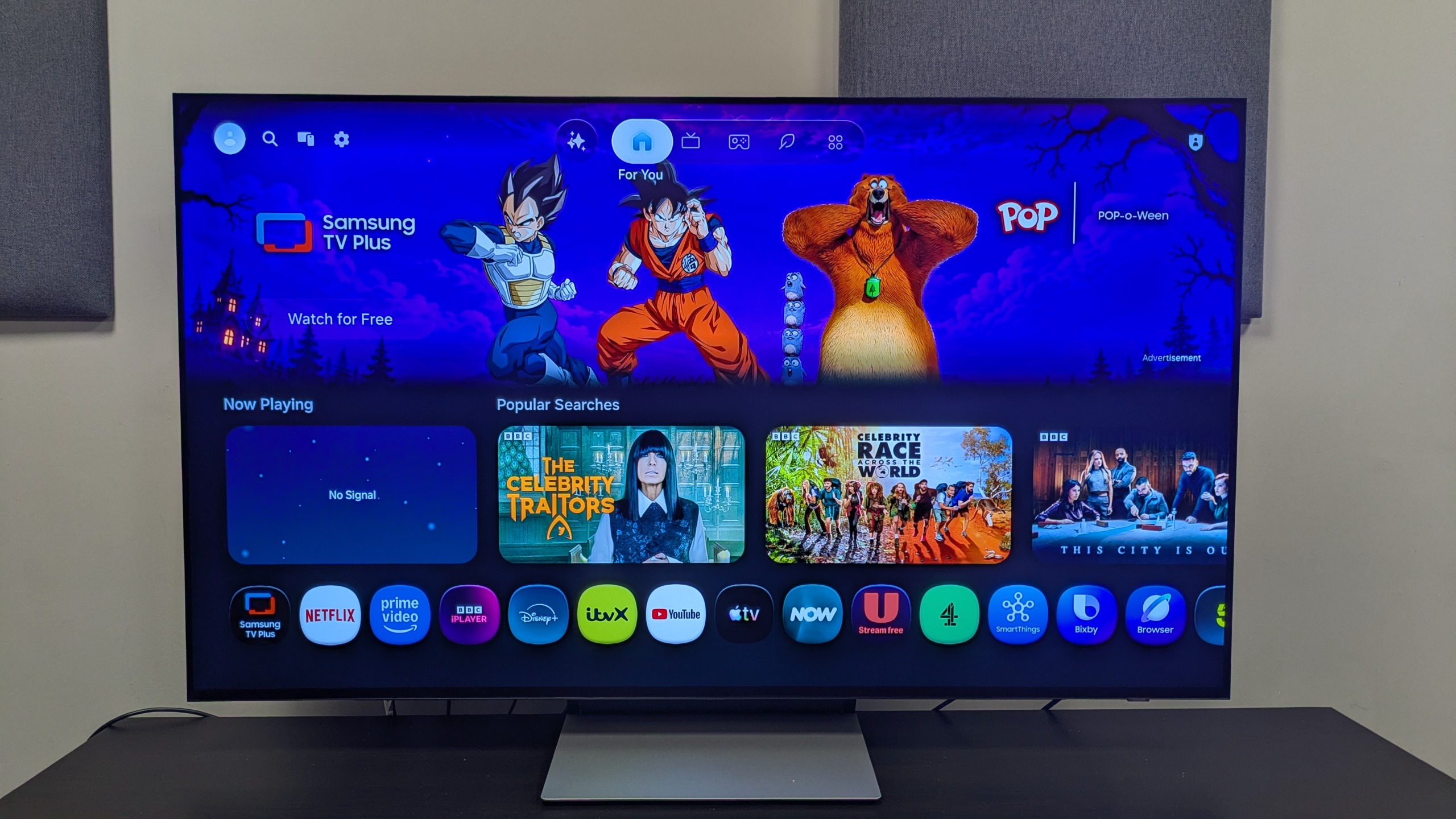
The user interface is driven by Samsung’s proprietary Tizen OS smart platform. While the operating system provides organized category hubs for streaming applications and gaming services, the interface layout is occasionally hindered by prominent promotional banner advertisements that occupy substantial screen real estate. Furthermore, automated content resumption features within Samsung TV Plus can occasionally prove intrusive when navigating external video inputs.
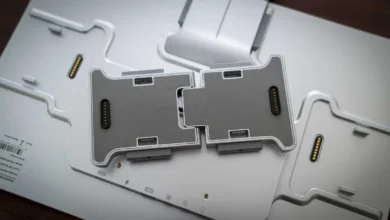
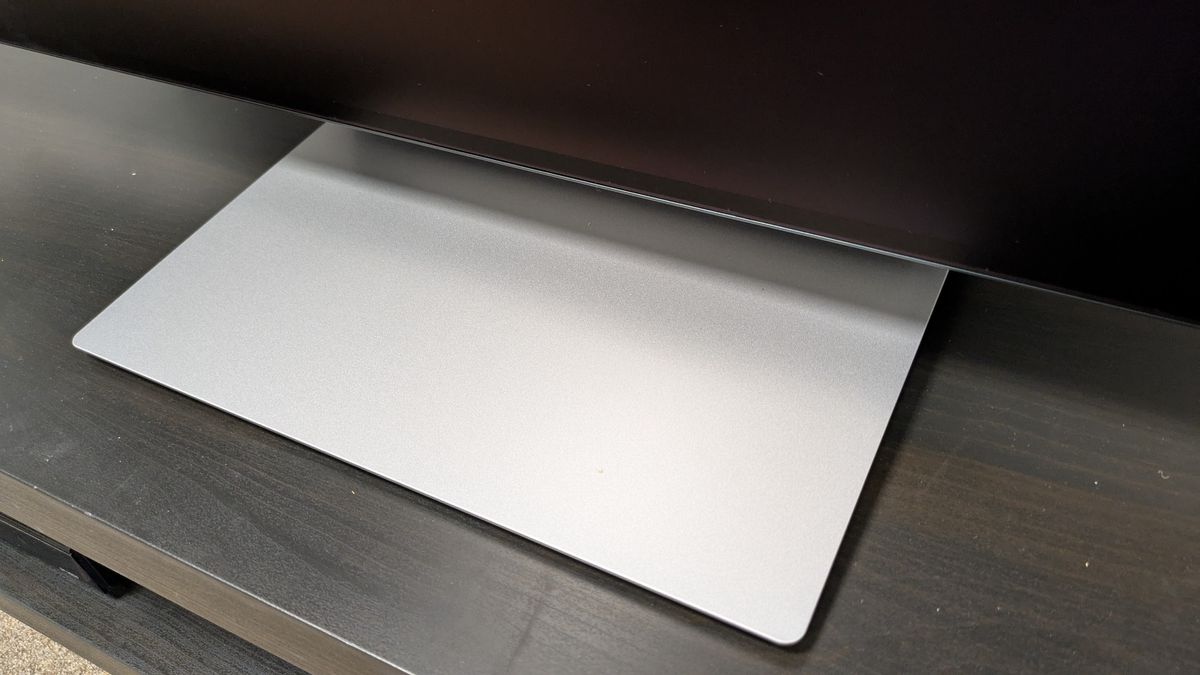
Physically, the S90H boasts a remarkably thin top-tier frame, expanding slightly toward the lower rear chassis to accommodate internal electronics, power supplies, and connection ports. The 55-inch review model rests upon a central plastic pedestal stand. While completely stable upon assembly, the plastic construction feels somewhat less premium than the solid metal stands utilized by competitive offerings in the same price tier. The television ships with Samsung’s signature SolarCell remote control, which eliminates disposable battery waste through integrated solar panels and USB-C rapid charging capabilities.
Pricing, Market Positioning, and Value Proposition
Released to the global market in mid-2026, the 55-inch configuration of the Samsung S90H launched with a manufacturer’s suggested retail price of $1,999 / £1,799 / AU$2,995. As the product lifecycle has progressed toward the end of the year, market pricing has adjusted downward. Current retail figures position the 55-inch S90H at approximately $1,199 / £1,199 / AU$2,995 in the United States and United Kingdom, while Australian pricing has remained largely static.
This pricing places the S90H in direct competition with LG’s C6 series. While regional pricing currently favors LG in specific domestic markets, historical market trends suggest pricing parity will normalize as availability expands. For consumers weighing purchase decisions, the absence of Dolby Vision support remains a notable platform limitation for dedicated physical media enthusiasts relying on specific 4K Blu-ray configurations. However, the S90H’s superior bright-room performance, comprehensive gaming feature set, and exceptional peak brightness metrics secure its status as one of the most compelling mid-range OLED investments available in the current consumer electronics landscape.