Honor defy tablet market contraction with record growth as industry faces headwinds

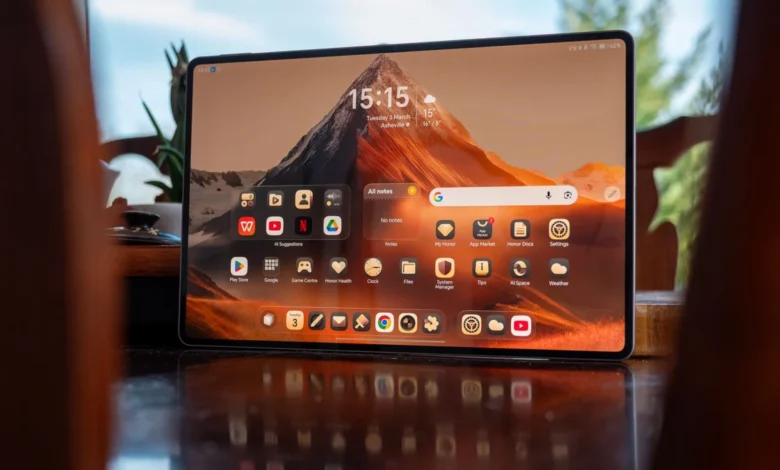
The global tablet market, particularly within the Europe, Middle East, and Africa (EMEA) region, is currently navigating a period of significant volatility. Data released by the International Data Corporation (IDC) for the second quarter of 2026 reveals a challenging landscape for hardware manufacturers, characterized by a 10.5% year-over-year decline in total unit shipments, bringing the regional volume to approximately 5.9 million units. Despite this broader stagnation, Honor has emerged as a distinct outlier, recording a robust 25.3% year-over-year increase in shipments, effectively challenging the long-standing dominance of market leaders like Samsung.
A Shifting Landscape in EMEA
The current contraction in the tablet sector is reflective of a maturing consumer electronics market, where long replacement cycles and economic headwinds have curtailed demand. For many consumers, the necessity of purchasing a new tablet has diminished as smartphones grow larger and more capable, and as the PC market continues to serve as the primary hub for intensive productivity tasks.
While Samsung maintains the largest share of the Android tablet segment, the 10.5% contraction across the industry highlights the difficulty incumbents face in maintaining growth momentum. Within this context, Honor’s performance is notable. By leveraging its established infrastructure and brand equity from the smartphone sector, the company has successfully pivoted to capture market share that other competitors have struggled to hold. According to IDC, the only other manufacturer to post growth in this period was Xiaomi, albeit at a modest 3.4% year-over-year increase, underscoring the severity of the decline for the remainder of the field.
Chronology of Market Shifts (2025–2026)
To understand the significance of the Q2 2026 data, one must examine the progression of the tablet market over the previous 18 months. Throughout 2025, the industry was heavily reliant on LCD-based entry-level and mid-range devices. Many manufacturers prioritized low price points to move volume, a strategy that yielded diminishing returns as consumer interest in "disposable" or low-performance tablets waned.
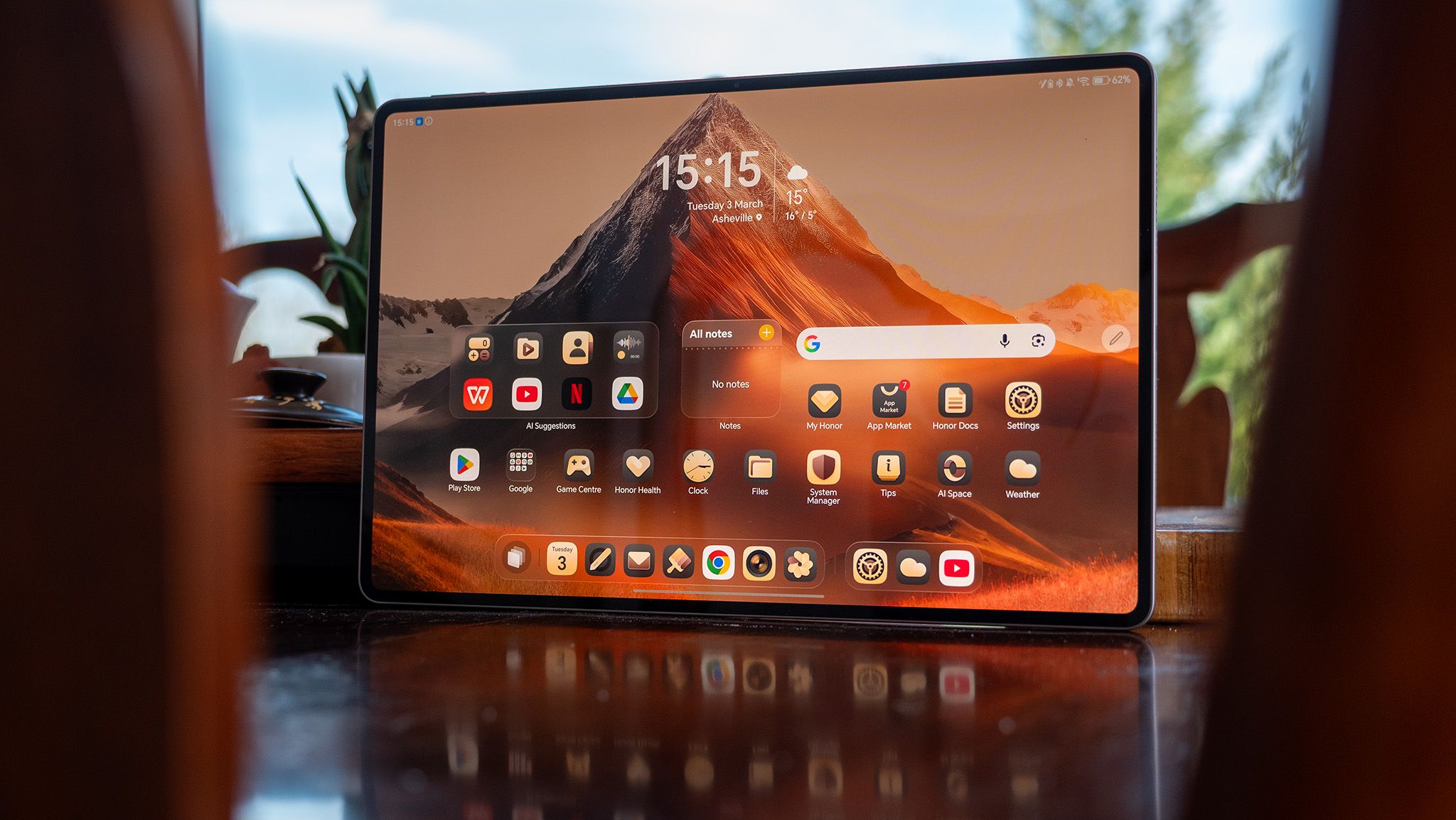
By early 2026, the industry began a forced transition toward higher-spec displays and premium features to justify hardware upgrades. Honor’s strategic move to replace the standard LCD panels found in their 2025 models with advanced OLED technology serves as a case study for this transition. Furthermore, the integration of high-frequency PWM dimming—reaching 5,320Hz in the MagicPad 4—demonstrates a commitment to addressing specific user concerns, such as eye strain, which has historically been overlooked in the tablet category. This focus on "human-centric" hardware features appears to be a primary driver in Honor’s ability to buck the regional trend.
The Role of Technological Differentiation
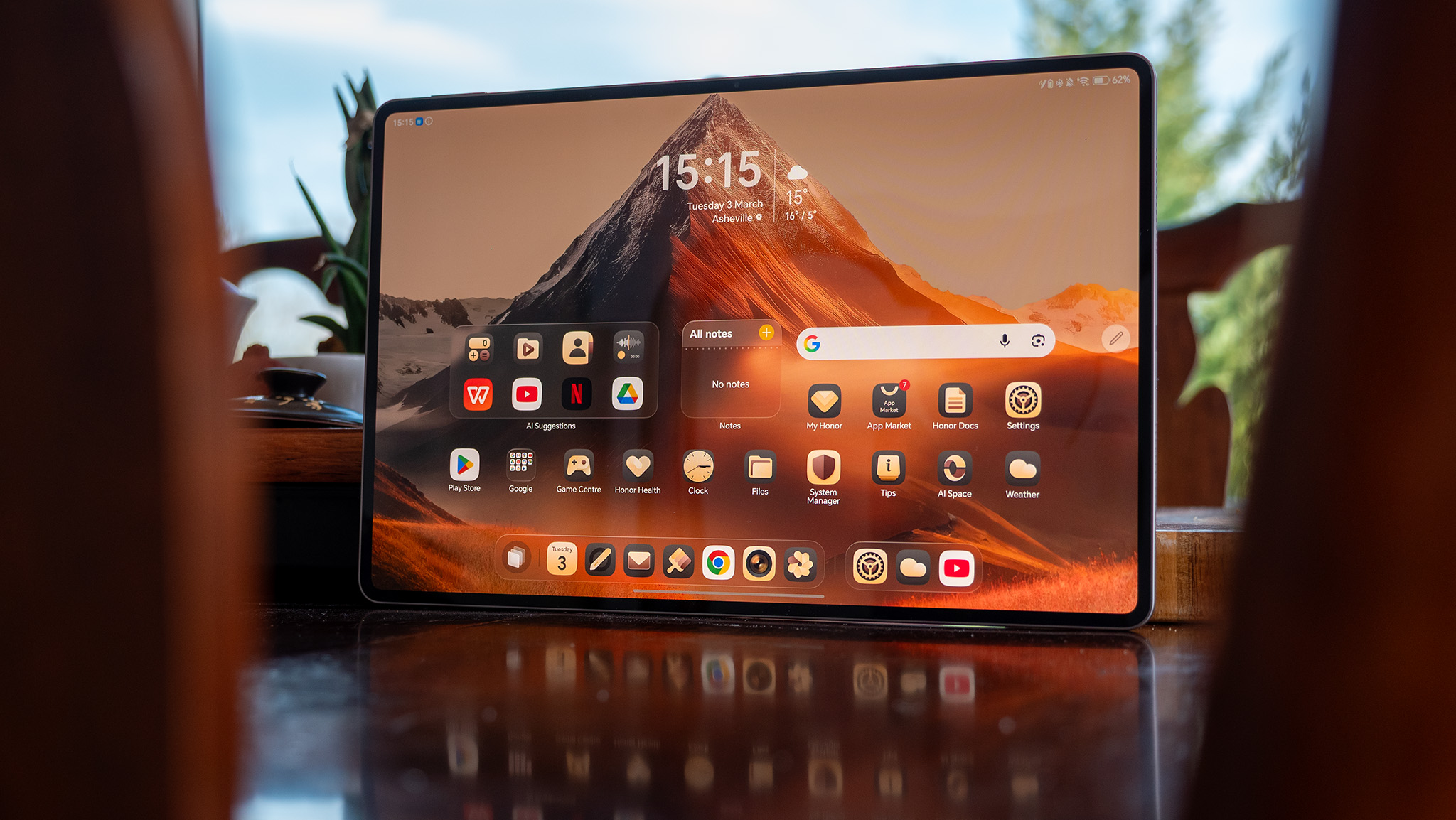
Honor’s growth is not merely a byproduct of market positioning but a result of aggressive hardware iteration. The MagicPad 4, the company’s current flagship tablet, represents a departure from the "utility-only" design philosophy that characterized many Android tablets in previous years. By integrating OLED display technology, the manufacturer has aligned its tablet offerings more closely with the visual quality expected by modern content consumers and creative professionals.
The focus on PWM dimming is particularly significant. As screens become brighter and more vibrant, the potential for eye fatigue increases. By implementing industry-leading dimming rates, Honor has effectively created a value proposition that differentiates its hardware from both the premium offerings of Apple and the mid-tier saturation of other Android OEMs. This technical differentiation suggests that consumers are still willing to purchase tablets, provided the hardware offers a tangible improvement in the user experience rather than marginal updates.
Broader Industry Implications and the "Smartphone-Tablet" Conflict
The struggle for relevance in the tablet market is inextricably linked to the performance of the smartphone sector. During the second quarter of 2026, the global smartphone market also experienced a 4% decline, largely driven by supply chain constraints and a broader memory component crisis that has inflated production costs.
The convergence of device categories further complicates the outlook. The rise of foldable smartphones, which can function as compact tablets, has cannibalized the demand for traditional 8-inch to 10-inch devices. As consumers look to consolidate their tech ecosystems, the need for a secondary, non-cellular portable screen is being questioned. Market analysts suggest that the tablet market is unlikely to see a sustained recovery through the remainder of 2026, even with the traditional surge of holiday retail activity. The current environment favors manufacturers who can integrate their tablets into a cohesive "ecosystem" of devices, allowing for seamless data transfer and cross-platform utility.
Official Perspectives and Market Analysis
Daniel Goncalves, Senior Research Manager at IDC, has noted that the success of challengers like Honor is largely due to their ability to utilize smartphone brand recognition as a springboard. "Many of these recent challengers to Samsung’s dominance in the Android tablet space have leveraged their established presence in the smartphone market to expand into tablets," Goncalves remarked in the recent IDC report. This indicates that the barrier to entry for new tablet manufacturers is higher than ever; a company cannot survive on tablets alone. Success now requires a multi-device strategy where the tablet acts as an extension of the phone.
The implications for the industry are clear: the era of the "generic" tablet is ending. Manufacturers that fail to provide high-quality display technology, seamless software integration, and a clear purpose for their devices within a wider product ecosystem are likely to see their market share continue to erode. The 10.5% decline in EMEA is not merely a temporary dip but a signal of a market correcting itself toward higher-value hardware.
Strategic Outlook
As we look toward the final quarter of 2026 and into 2027, the focus for major manufacturers will likely shift toward artificial intelligence (AI) integration. While hardware improvements like OLED panels and high-refresh-rate displays have driven current growth, the next phase of competition will involve software-defined features. Companies like Honor will need to demonstrate that their tablets can serve as AI-powered productivity hubs to differentiate themselves from the stagnant mid-range market.
Furthermore, the pressure on the Android tablet ecosystem remains intense. While Honor has proven that growth is possible, it is doing so against the backdrop of an industry that is currently defined by shrinking unit shipments and high competition for a smaller pool of consumers. The success of the MagicPad 4 and similar devices suggests that while the tablet market is not dying, it is evolving into a more specialized, feature-rich segment of the electronics industry.
For consumers, this is a period of transition. The decision to invest in a tablet is no longer a default choice but a considered one. As manufacturers continue to refine their offerings, the gap between "essential" devices like smartphones and "supplementary" devices like tablets will continue to be tested. Honor’s recent performance proves that for brands willing to innovate at the hardware level, there is still significant opportunity to capture the attention of the modern consumer, even in a down market. The challenge moving forward will be to maintain this growth trajectory while navigating the persistent global economic pressures that continue to weigh on the consumer electronics sector at large.