Pixel Watch Users Report Severe Battery Drain Issues Following Recent Software Updates

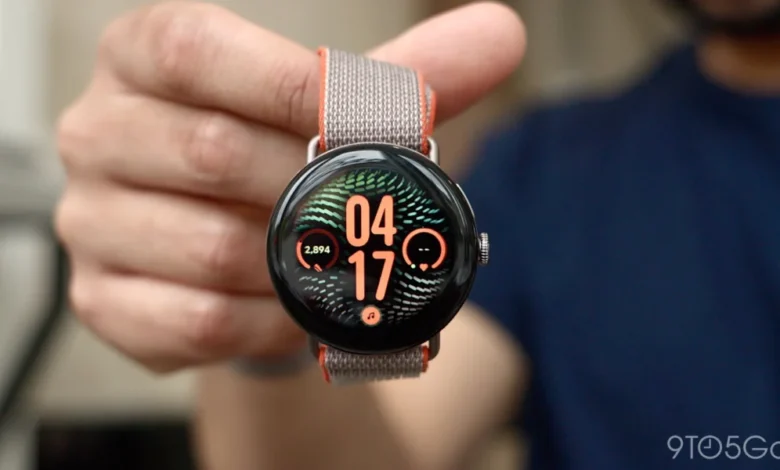
A growing number of Pixel Watch owners have taken to online forums and social media platforms to report a sudden and drastic decline in battery performance, with some devices losing up to 20% of their charge every few hours. While the complaints do not yet constitute a universal hardware-wide failure, the accumulation of reports across multiple generations of Google’s smartwatch lineup has drawn the attention of the tech community and raised questions regarding recent software deployments.
The issue, first highlighted by technology publication Android Authority, centers around user testimonials on platforms like Reddit. Affected individuals across various device models—including the Pixel Watch 2 and the newer Pixel Watch 4—describe a severe drop in operational endurance that defies normal wear and tear or expected battery degradation curves.
Main Facts of the Battery Drain Phenomenon
The core of the issue lies in an unexpected and aggressive acceleration of power consumption. Smartwatches are engineered to manage background processes efficiently, balancing connectivity, health tracking, and display responsiveness to ensure a full day of usage—and often significantly more, depending on the generation and settings. However, users experiencing this anomaly report that their devices are failing to meet even basic operational thresholds.
For instance, one user owning a Pixel Watch 2 noted that their device’s lifespan on a single charge has plummeted to a mere 12 hours. This stands in stark contrast to their historical baseline of approximately 48 hours of use achieved with the Always-On Display (AOD) disabled. Similarly, an owner of a newer Pixel Watch 4 reported that their device now struggles to last a single day, a sharp regression from their typical longevity of up to 2.5 days between charges.
While individual usage patterns, screen brightness settings, and notification frequencies can influence battery consumption, the abrupt onset of these symptoms points toward an external catalyst rather than natural battery aging. The uniformity of the complaints—characterized by steep, multi-hour percentage drops—suggests that a systemic software or background process inefficiency may be at play.
Chronology and Timeline of Recent Software Deployments
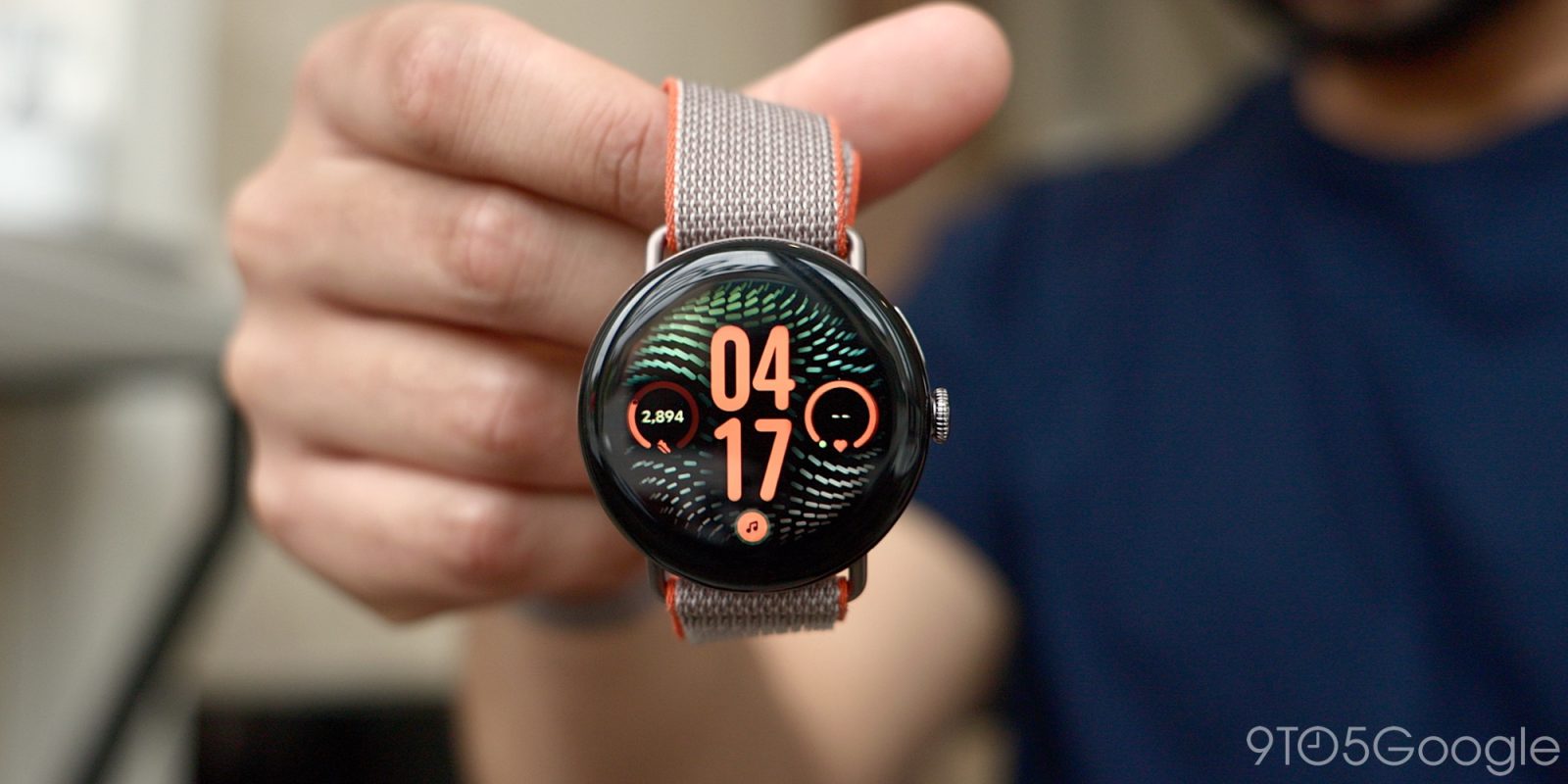
To understand the root cause of the sudden battery degradation, analysts and affected users have begun examining the recent timeline of software releases from Google. Smartwatch ecosystems frequently receive updates that introduce new capabilities, security patches, and optimizations, but these updates can occasionally introduce unintended background overhead.
In September 2026, Google rolled out a major cumulative software update targeting the Pixel Watch 2 and subsequent hardware generations. Among the primary additions in this release was the integration of Gemini Personalization. This feature is designed to leverage historical user interactions, alongside data from integrated Google applications such as Gmail and Calendar, to deliver more context-aware, tailored responses and assistance directly from the wrist. While designed to enhance user convenience, advanced machine learning tasks and continuous background data synchronization required for generative AI features can impose a heavy computational toll on constrained wearable chipsets.
Furthermore, a subsequent rollout in October 2026 introduced an expanded Google Health update featuring advanced automatic activity detection. This system is engineered to seamlessly recognize and log workouts and physical movements without requiring manual initiation from the user. To achieve this, motion sensors and physiological monitoring modules must operate with a higher degree of vigilance, constantly analyzing accelerometer and heart-rate data.
While the automatic activity detection update theoretically impacts a wide range of devices, questions remain as to why users of the Pixel Watch 2 are experiencing identical symptoms, given that hardware capabilities and sensor suites vary across generations. The staggered timing of user complaints—with some noting the issue manifesting immediately after an update and others reporting onset days or weeks later—further complicates efforts to establish a singular, definitive trigger.
Supporting Data and Community Response
Although the volume of complaints has created a noticeable footprint on digital communities such as the r/PixelWatch subreddit, the broader prevalence of the issue remains difficult to quantify. Threads detailing the battery drain have garnered significant engagement, with dozens of users chiming in to share matching experiences, troubleshoot settings, and compare notes on firmware versions.
At the same time, a substantial segment of the Pixel Watch user base reports experiencing no discernible change in battery longevity, indicating that the problem is not universally affecting all active devices. This discrepancy often characterizes software-related bugs, which can be heavily dependent on specific user configurations, active third-party applications, paired smartphone models, or regional feature rollouts.
The lack of consistency in how and when the battery drain manifests has led to varied troubleshooting attempts among consumers. Affected individuals have tried standard mitigation techniques, including complete device resets, disabling ambient display modes, restricting background app refreshes, and unpairing and repairing the watches with their host smartphones. Unfortunately, preliminary reports suggest that these conventional remedies offer little to no permanent relief, reinforcing the hypothesis that the underlying cause is tied to deep-seated system processes or recent firmware optimizations.

Official Responses and Corporate Silence
As of the time of publication, Google has not issued an official statement or acknowledged the growing reports of abnormal battery drain affecting Pixel Watch users. Major technology corporations typically undergo rigorous internal review processes before addressing software bugs publicly, often waiting until telemetry data and diagnostic logs from affected devices can confirm the exact vector of the issue.
In the absence of corporate guidance, users are left to monitor their devices independently and share makeshift workarounds online. Industry observers anticipate that if the volume of complaints continues to rise, Google will likely address the situation via a targeted hotfix or a subsequent monthly security patch designed to optimize power consumption and reign in runaway background tasks.
Broader Impact and Implications for Wearable Technology
The current situation highlights the delicate balance manufacturers must maintain between introducing advanced, resource-intensive features and preserving fundamental user experience metrics like battery life. As consumers increasingly rely on smartwatches for comprehensive health monitoring, seamless notifications, and generative AI integrations, the expectations placed on wearable hardware continue to grow.
Features like Gemini Personalization and automatic activity detection represent the future of ambient computing, aiming to make wearable devices more intuitive and proactive. However, these capabilities require significant computational power and continuous data processing. When software optimizations fail to keep pace with feature expansion, the immediate casualty is invariably battery longevity—a metric that remains one of the most critical evaluation points for any mobile or wearable device.
For Google, ensuring the stability and efficiency of its software ecosystem is paramount, particularly as competition in the smartwatch market intensifies. Swift identification and resolution of the current battery drain anomaly will be essential in maintaining consumer trust and ensuring that the integration of advanced artificial intelligence does not compromise the core usability of the Pixel Watch lineup.
As the technical community continues to monitor the situation, affected users are encouraged to submit diagnostic reports through official feedback channels to assist developers in isolating the root cause. In the interim, consumers experiencing sudden power depletion may need to temporarily adjust advanced features or rely on battery-saver modes to maintain functional daily usage until an official software patch is deployed.