Samsung Intelligent Eyewear reportedly set for mid-December launch in South Korea and the United States

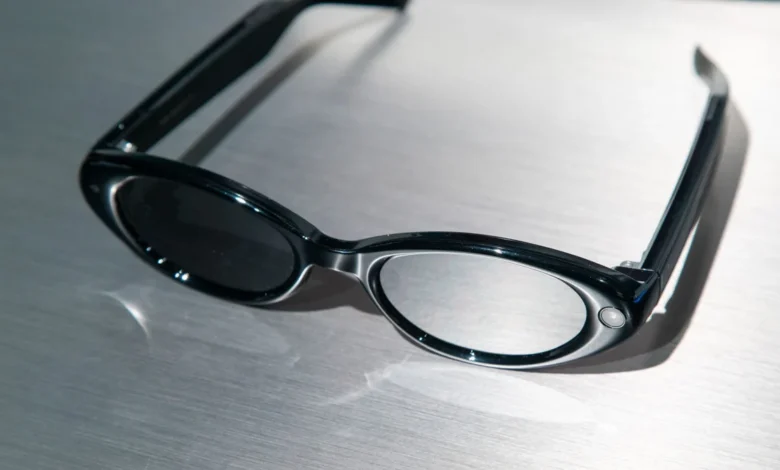
The landscape of wearable technology is bracing for a significant shift as reports indicate that Samsung is finalizing the launch timeline for its highly anticipated "Intelligent Eyewear." According to recent industry reporting from ChosunBiz, the South Korean technology giant has identified a mid-December 2026 release window for its new XR-capable glasses. This strategic rollout will initially target two of the company’s most vital markets: South Korea and the United States. By limiting the initial release, Samsung appears to be adopting a cautious, data-driven approach, intending to monitor consumer demand and real-world usage patterns before committing to a broader global distribution strategy.
The Evolving Timeline of Samsung’s XR Ambitions
The path to this December launch has been marked by a flurry of speculation and shifting internal goals. Earlier in the fourth quarter of 2026, industry analysts and supply chain leaks suggested a potential November launch window. However, as the production cycle progressed, those expectations were adjusted. The transition from a November goal to a mid-December target reflects the complexities of bringing a new form factor to market, particularly one that relies on deep integration with a secondary ecosystem—the Samsung Galaxy smartphone line.
This project is part of a broader, long-term strategic pivot for Samsung, which has been working closely with Google and Qualcomm to build a robust Android-based XR (Extended Reality) ecosystem. While rumors of these glasses have circulated for months, the upcoming December release represents the first tangible consumer milestone for Samsung’s vision of "smart" eyewear that functions as a sophisticated companion rather than a standalone computing device.
Strategic Market Selection and Consumer Feedback
Samsung’s decision to prioritize South Korea and the United States is not arbitrary. These two markets represent the largest and most receptive demographics for premium wearable technology. By launching in its home territory and the U.S., Samsung is effectively positioning the Intelligent Eyewear as a flagship-tier accessory.
The company is reportedly treating this initial launch as a "soft opening" or a "limited release" phase. The primary objective is to gather feedback on user interface interactions, battery life, and the physical comfort of the frames. Unlike traditional smartwatches, which have a standardized form factor, smart glasses face significant challenges regarding ergonomics, weight distribution, and social acceptance. By gathering data from these two key regions, Samsung can refine its software updates and potentially iterate on hardware production before the product is introduced to European or Southeast Asian markets in 2027.
Design Partnerships and the Fashion-Technology Convergence
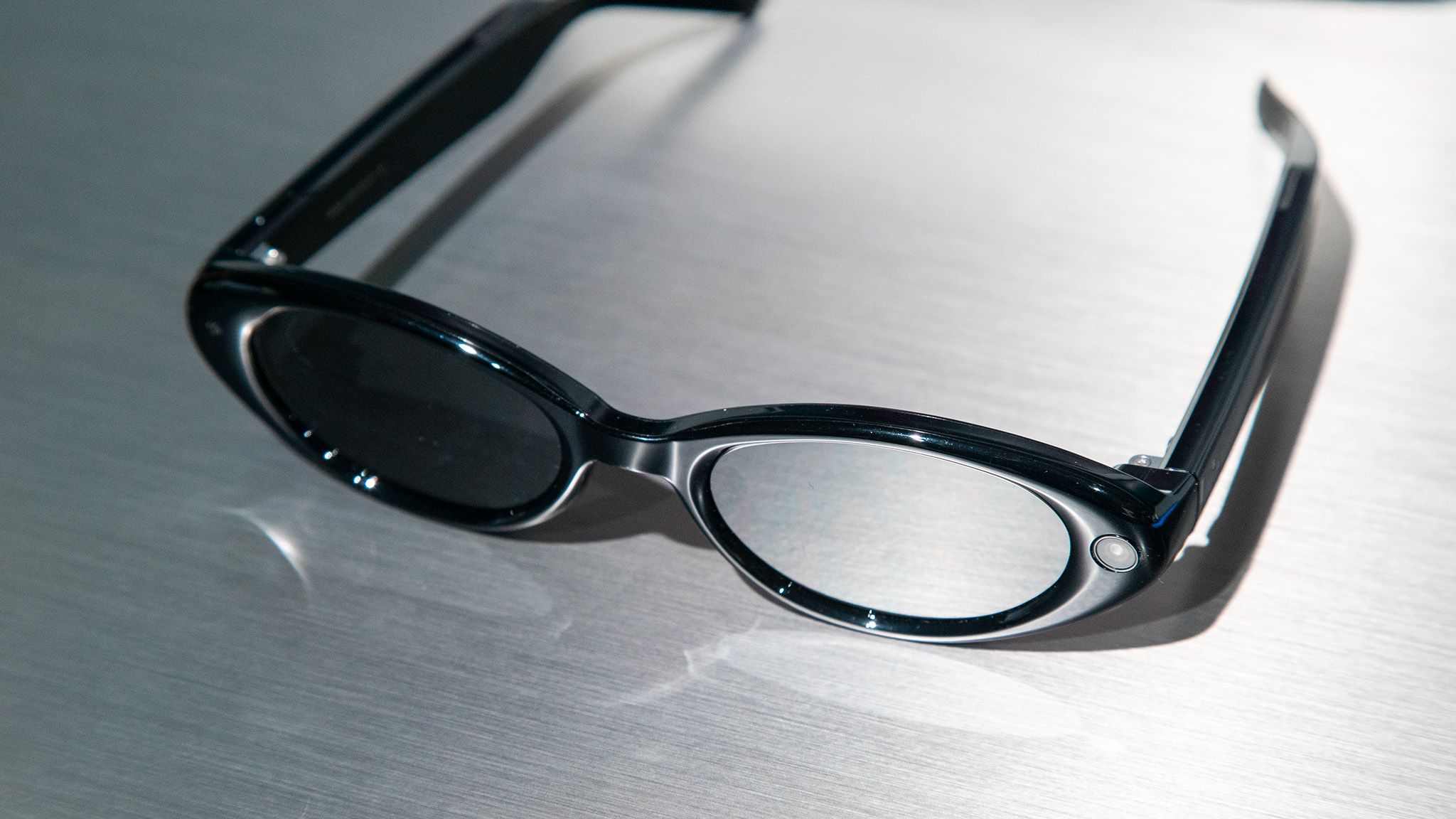
One of the most notable aspects of Samsung’s Intelligent Eyewear project is its deliberate move toward fashion-forward design. Rather than creating a purely utilitarian, tech-heavy aesthetic, Samsung has leaned into partnerships with established eyewear brands, including Gentle Monster and Warby Parker. This strategy mirrors the path taken by other major tech players, such as Meta and EssilorLuxottica, who recognized early on that for smart glasses to achieve mass-market adoption, they must be indistinguishable from high-end, fashionable eyewear.
The glasses are designed to be an extension of the user’s smartphone. Current leaks and previews suggest that users will be able to interface with the glasses through intuitive gestures, potentially synced with the Galaxy Watch ecosystem. This integration allows for a seamless flow of information—such as notifications, navigation cues, and photo capture—without requiring the user to physically touch their phone. This "ambient computing" approach is designed to reduce screen time while keeping the user connected to their digital life.
Navigating the Pricing Conundrum
Perhaps the most significant lingering question is the retail price. In July 2026, Samsung hinted that the pricing for its Intelligent Eyewear would be "reasonable," though this term is inherently subjective in the luxury tech market. Current market analysis suggests that while Samsung will aim to stay competitive, the device will almost certainly command a premium over the $300 price point established by Meta’s Ray-Ban collection.
The rationale for a higher price point lies in the expected hardware capabilities. While Meta’s current offerings excel at audio and basic photography, industry insiders believe Samsung’s Intelligent Eyewear is aiming for a more advanced XR experience. The integration of proprietary display technology and more complex sensors likely necessitates a higher price tag. Samsung is currently in the final stages of determining the optimal balance between high-end hardware costs and the desire for market penetration. The company is wary of pricing itself out of the market, yet it cannot afford to sacrifice the build quality that its brand reputation relies upon.
The Competitive Landscape and Market Implications
The launch of the Intelligent Eyewear arrives at a pivotal moment for the tech industry. For years, the promise of the "metaverse" and wearable XR has been met with skepticism due to bulky hardware and limited use cases. Samsung’s approach represents a move toward "smart reality"—a middle ground where the glasses enhance the world around the user rather than replacing it with a fully immersive virtual environment.
Competitors are watching this rollout closely. Apple, which entered the high-end spatial computing market with its Vision Pro, has taken a vastly different, more expensive route. Samsung’s decision to focus on glasses-style, smartphone-tethered devices signals a belief that the future of wearable tech lies in accessibility and everyday utility rather than high-performance, stationary computing.

If successful, this launch could establish a new category for the Android ecosystem. A positive reception in the U.S. and South Korea could lead to a rapid expansion of the Android XR developer platform, encouraging third-party app creators to build services that specifically leverage the visual overlay and gesture-control capabilities of the glasses.
Future Outlook and Technical Challenges
As we look toward the potential December release, several technical challenges remain. The longevity of the battery, the thermal management of the processors in such a compact frame, and the privacy implications of integrated cameras are all factors that will dominate the initial user reviews.
Samsung’s reliance on the Galaxy smartphone ecosystem is both its greatest strength and a potential limitation. By requiring a Galaxy phone for full functionality, Samsung ensures a seamless "walled garden" experience, but it also limits the potential customer base to existing Samsung users. Whether the company will eventually open up the software to other Android devices remains an open question, though it is unlikely in the immediate term as the company looks to drive sales of its core mobile hardware.
Conclusion
The upcoming mid-December launch of Samsung’s Intelligent Eyewear marks a crucial transition for the company. By moving from theoretical concepts to a commercial product, Samsung is signaling its commitment to the next phase of mobile computing. While the final price and exact feature set remain subject to change, the strategic focus on the U.S. and South Korean markets indicates a calculated, methodical approach to a notoriously difficult product category.
For the consumer, the wait is nearly over. If the reports hold true, the 2026 holiday season will serve as the testing ground for a device that could ultimately define how we interact with our digital environments for the next decade. As the industry turns its eyes toward Samsung, the focus will remain on whether these glasses can successfully blend the aesthetics of traditional eyewear with the powerful, connected capabilities that the modern user demands.
Related posts: