The iPhone Duo and the software gamble Apple is taking to define the foldable experience

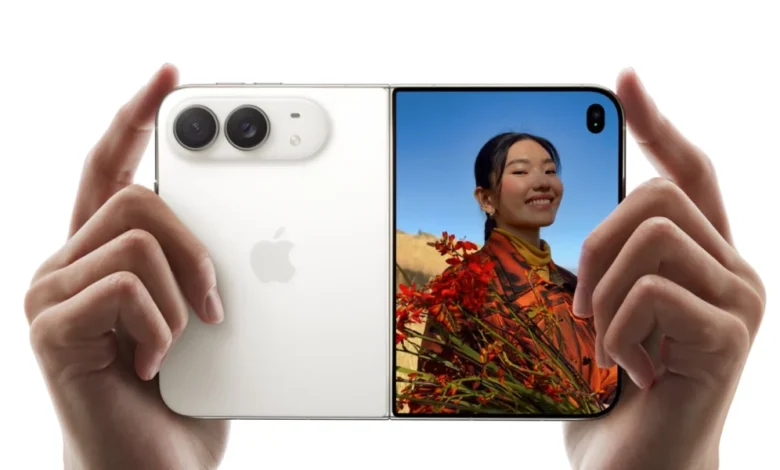
The launch of the iPhone Duo marks a pivotal moment in Apple’s hardware history, signaling the company’s formal entry into the foldable smartphone market. However, this transition is accompanied by a significant software mandate that requires third-party developers to overhaul their applications to accommodate the device’s unique form factor. By requiring a minimum build of iOS 27.0 for basic support and iOS 27.1 for advanced interface components, Apple is effectively forcing a clean slate for developers, choosing to eschew legacy compatibility in favor of a curated, high-quality user experience.
The Technical Requirements of the iPhone Duo Ecosystem
At the heart of the iPhone Duo’s software strategy is the requirement for developers to recompile their applications specifically for the new hardware. Unlike some competitors that utilize compatibility layers to stretch or force-fit existing mobile applications onto larger displays, Apple has opted for a strict SDK-level integration.
To leverage the expanded screen real estate of the iPhone Duo, applications must be updated to target iOS 27.0. Furthermore, the integration of specialized interface elements—such as the device’s unique tab bar and adaptive layout components—requires the use of Xcode 27.1. This move creates a high barrier to entry for developers who are accustomed to the standard iPhone interface. Without these updates, applications will default to a letterboxed view, manifesting as black bars on the top and bottom of the display, which disrupts the seamless aesthetic Apple intends for the device.
Chronology of the Foldable Transition
The path to the iPhone Duo has been paved with years of internal development and strategic software shifts. The timeline of this transition highlights Apple’s cautious yet methodical approach to the foldable category:
- February 2026: Apple officially updates its minimum SDK requirements for all App Store submissions, signaling a shift toward enforcing "Liquid Glass" display optimization across all future hardware platforms.
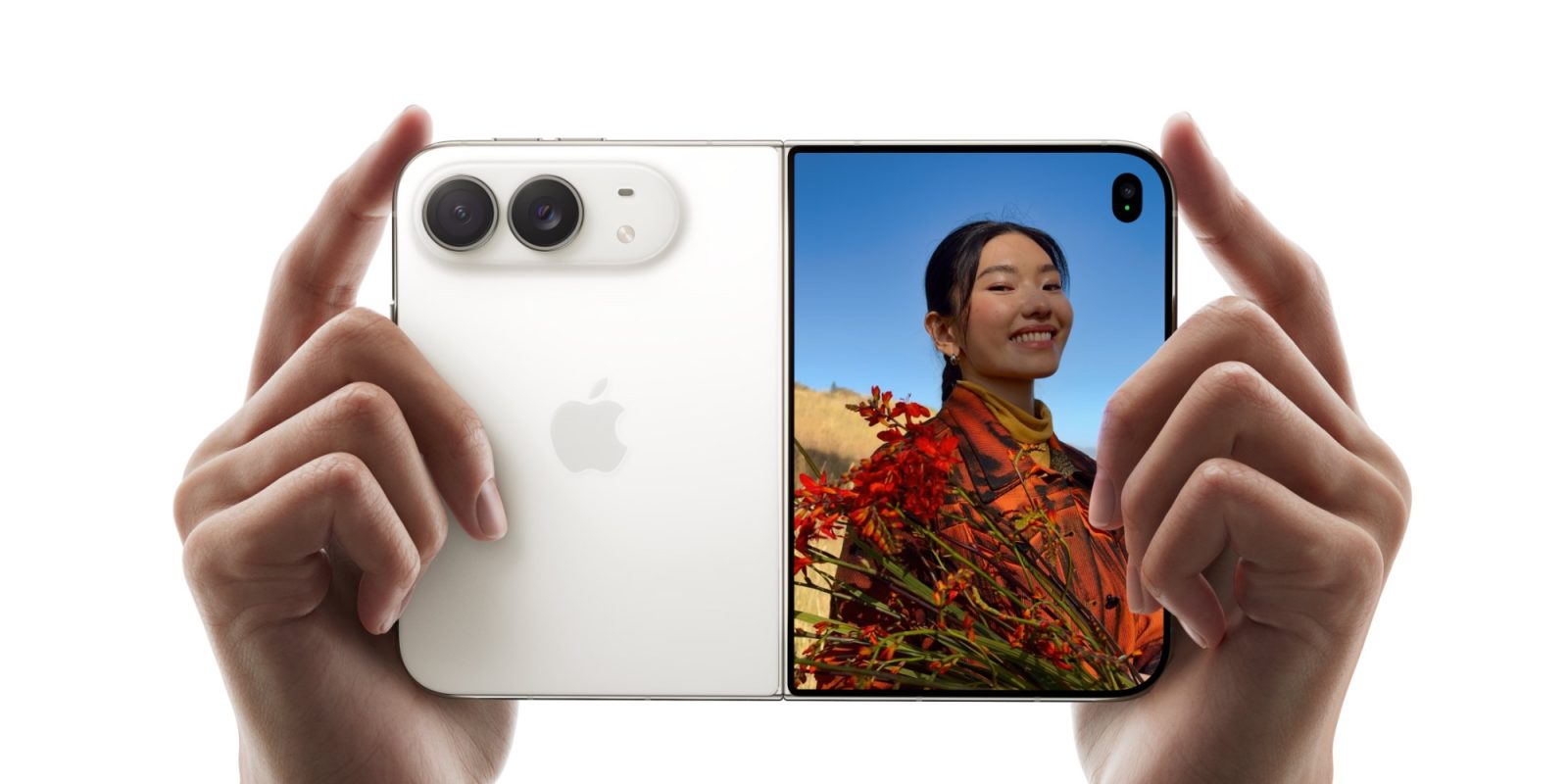
- September 9, 2026: The official announcement of the iPhone Duo at the Apple Event, accompanied by technical documentation detailing how the OS treats non-optimized legacy apps.
- September 18, 2026: Apple releases the Xcode 27.1 beta, providing developers with the necessary tools to implement the Duo’s specific UI enhancements.
- Late 2026 – Early 2027: The projected rollout phase where developers are expected to align their application architectures with the new iOS standards to avoid market fragmentation.
Analysis of the "No-Compatibility" Strategy
Apple’s decision to prohibit the use of iPad binaries on the iPhone Duo is a strategic rejection of the "janky" experiences often associated with foldable devices from other manufacturers. By disallowing the reuse of resizable iPad apps, Apple is ensuring that every application on the iPhone Duo adheres to a specific design language that feels native to the foldable form factor.
Industry analysts suggest that this decision is twofold. First, it preserves the brand’s reputation for premium, polished user interfaces. Second, it serves as a long-term lever to force developers into adopting Apple’s latest development paradigms. By refusing to offer a compatibility layer, Apple is effectively preventing a "good enough" scenario where developers might neglect to optimize their apps for years, choosing instead to push the ecosystem toward total compliance with its design philosophy.
The Implications for Developers and the App Store
For independent developers and large software studios alike, the transition represents a substantial allocation of resources. Compiling for iOS 27 is not merely a task of ensuring functionality; it is a commitment to a new ecosystem. Because the iOS 27 SDK also enforces support for "Liquid Glass" technology, developers who have been delaying their transition to modern design standards will find that they can no longer opt-out of these requirements.
This creates a tension between the immediate user experience and the long-term health of the App Store. In the short term, users may find that their favorite applications do not utilize the full screen of the iPhone Duo, potentially leading to a lackluster first impression. However, if Apple’s strategy succeeds, the result will be an App Store where every application is optimized for the hardware, creating a unified and fluid experience that distinguishes the iPhone Duo from the fragmented landscape of the Android foldable market.
Challenges in Mobile Gaming and Multitasking
Mobile gaming is expected to be a primary use case for the iPhone Duo, given the increased screen area. However, the lack of a proper full-screen experience for non-updated games could act as a deterrent for power users. While the Duo supports split-screen multitasking, the efficacy of this feature remains contingent upon whether the OS allows for fluid interaction between native and non-native applications.

If a user attempts to run a non-optimized game alongside a productivity app, the disparity in UI scaling could lead to navigation issues. Observers note that if Apple does not eventually provide a way to bridge this gap, the early months of the iPhone Duo’s lifecycle may be characterized by reports of inconsistent app behavior.
Broader Impact on the Mobile Industry
Apple’s approach to the iPhone Duo mirrors its historical strategies, such as the transition to 64-bit architecture or the migration to Apple Silicon. In each instance, the company forced a "clean break" from legacy technologies to ensure that future software was built on a robust, performant foundation. While this approach often invites criticism regarding the speed of developer adoption, it has consistently resulted in a more stable and high-performing ecosystem.
The potential for an "iPad compatibility mode" in iOS 28 remains a contingency plan. Should developer adoption stall, or if consumer feedback reflects significant frustration with the current state of app optimization, Apple possesses the technical capacity to implement a stopgap measure. For now, however, the company is doubling down on its mandate, signaling that the premium experience of the iPhone Duo is not something to be compromised by legacy constraints.
The Road Ahead for iPhone Duo
The success of the iPhone Duo will ultimately be measured not just by its hardware sales, but by the agility of the developer community. Apple is banking on the idea that the prestige of its platform will compel developers to invest the time required to build for the Duo. As the device reaches the hands of consumers, the visibility of these optimized apps will be the primary indicator of the transition’s success.
For the enterprise sector and casual users alike, the upcoming quarters will provide a clear picture of whether Apple’s rigid requirements will stifle or accelerate the growth of the foldable app market. While the initial months may involve a period of "growing pains" as developers catch up, the end goal—a seamless, high-fidelity experience across all screen states—remains a cornerstone of the Apple software identity. As the ecosystem matures, the focus will likely shift from the mechanics of the transition to the innovative ways developers utilize the folding display to redefine mobile productivity and entertainment.

Market Context and Future Outlook
The foldable market has seen significant growth over the last three years, with competitors having already iterated through multiple generations of hardware. Apple, having waited to enter the space, has had the luxury of observing these trials and errors. By waiting, Apple has developed a hardware-software integration that is uniquely tailored to its ecosystem.
Whether this calculated delay and the subsequent strict software requirements will be enough to overcome the head start of rival manufacturers remains a topic of intense debate among market analysts. What is certain is that the iPhone Duo is not just a device, but a platform-wide shift. The requirement for iOS 27 and beyond is a clear signal that the company is prepared to sacrifice short-term compatibility for the sake of a long-term, unified vision for mobile computing.
As developers continue to grapple with the new requirements, the industry will be watching closely. The success of the iPhone Duo will serve as a bellwether for the future of mobile design, proving once again that in the Apple ecosystem, the software is as much a part of the hardware experience as the screen itself.