Samsung Galaxy Tab S10 FE: A Year On, Samsung’s Mid-Range Contender Still Shines

The Samsung Galaxy Tab S10 FE, launched in April 2025, continues to assert its position as a compelling option within the fiercely competitive tablet market, effectively bridging the gap between high-end flagship devices and more budget-conscious alternatives. A year after its initial release, this 10.9-inch tablet demonstrates enduring relevance, offering a robust blend of design, productivity tools, and impressive battery life that solidifies its appeal to a broad user base. While some minor shortcomings persist, particularly concerning peak screen brightness and intensive gaming performance, the overall package delivers substantial value, making it a worthy consideration for consumers navigating Samsung’s diverse tablet ecosystem.
Samsung’s "Fan Edition" (FE) philosophy is rooted in bringing popular flagship features to a more accessible price point, and the Tab S10 FE embodies this strategy. Positioned strategically between the premium Galaxy Tab S11 series and the more affordable Tab A11 line, it aims to capture users who desire a premium experience without the flagship cost. This segment of the market is crucial for manufacturers seeking to expand their reach beyond the top-tier, and Samsung has historically leveraged the FE branding to deliver devices that punch above their weight class in terms of features and build quality.
Design and Durability: A Premium Aesthetic with Everyday Resilience
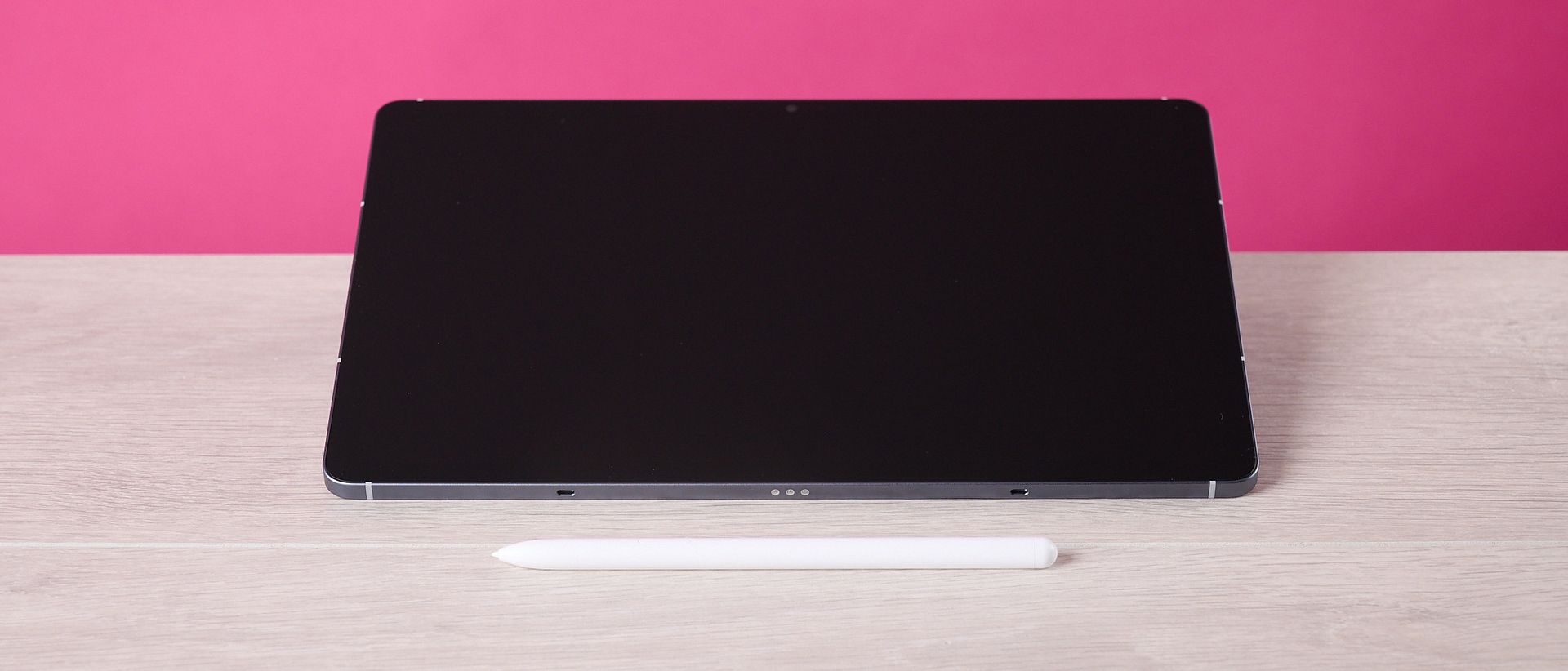
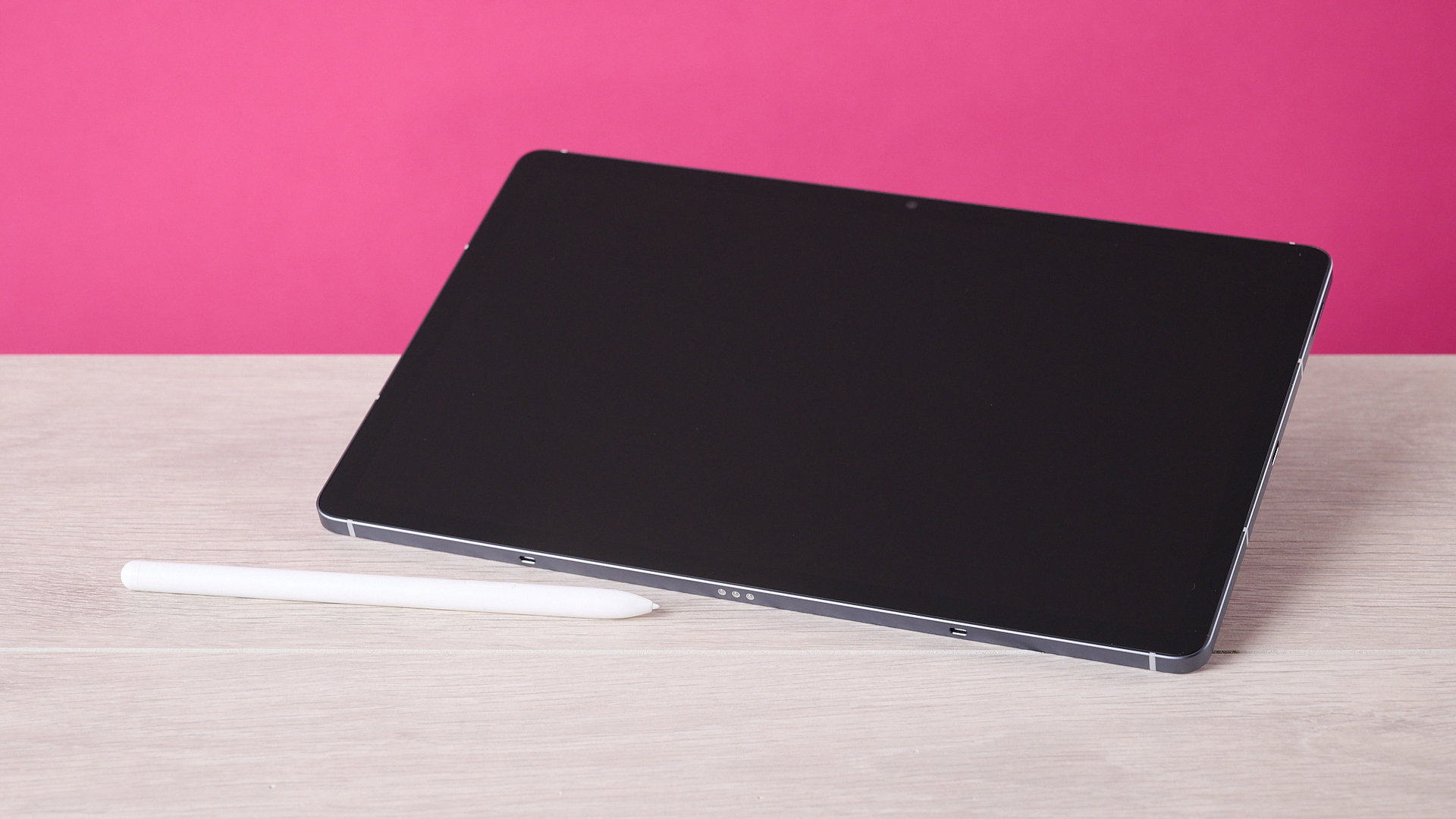
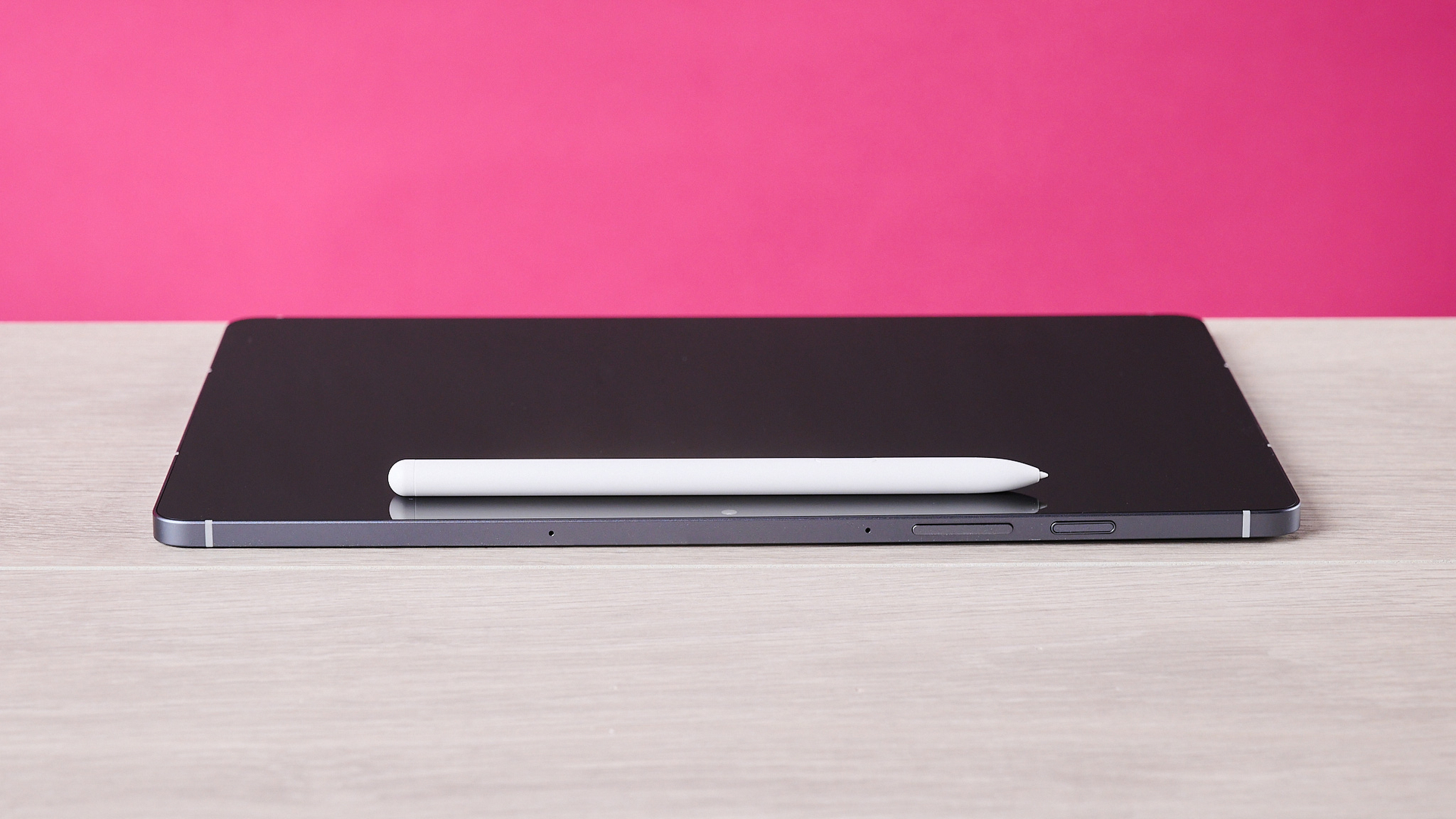
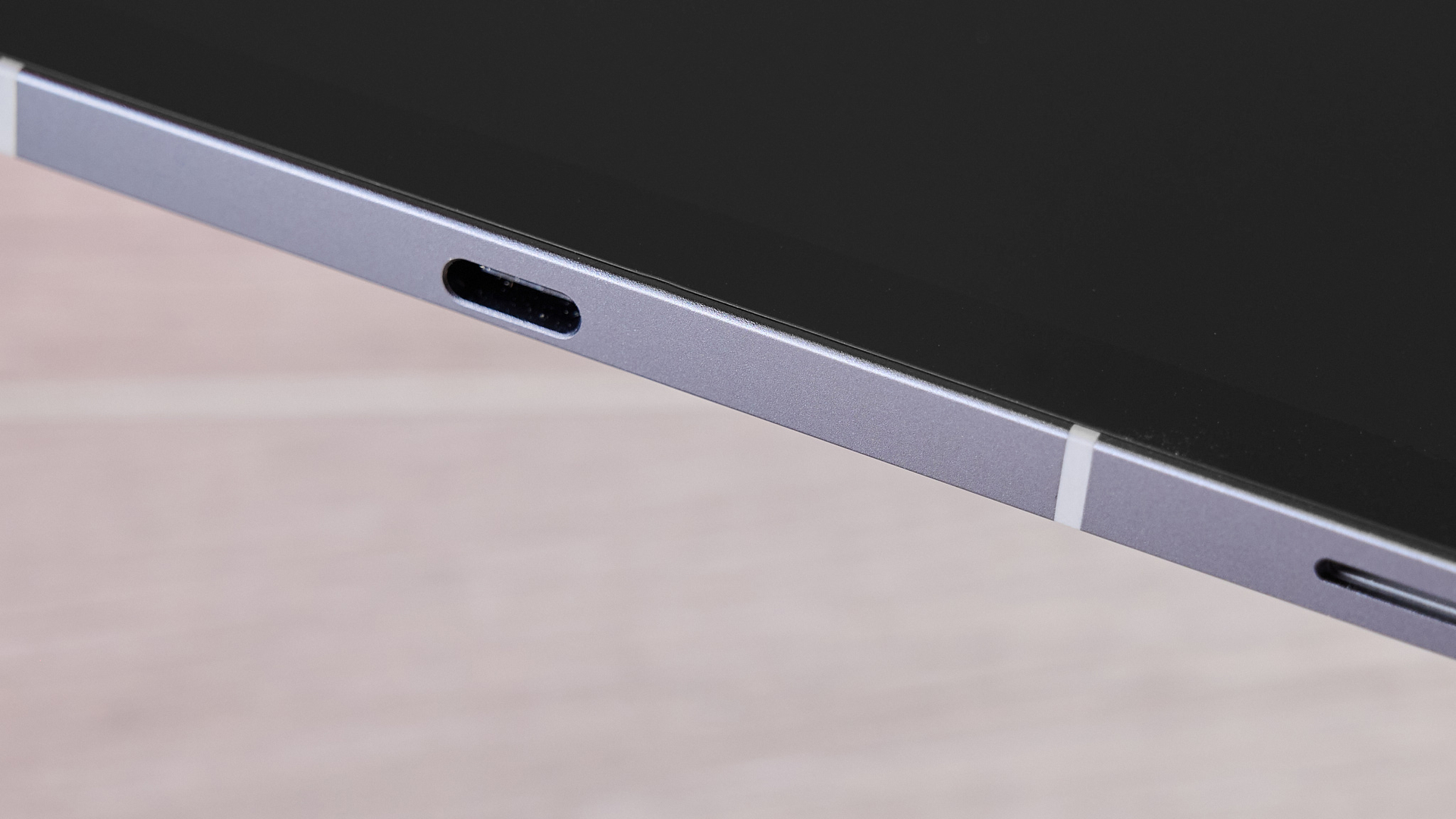
From a design perspective, the Galaxy Tab S10 FE immediately conveys a sense of premium craftsmanship, belying its mid-range price tag. Its flat, unbeveled edges and satin-finished metal body contribute to a tactile experience that feels both sturdy and refined in hand. This aesthetic choice aligns with modern industrial design trends seen across many high-end devices, emphasizing clean lines and a minimalist profile. At a svelte 6mm thin and weighing between 497g (Wi-Fi) and 500g (5G), it strikes an excellent balance between portability and a substantial feel. While it doesn’t quite reach the extreme thinness of devices like the Apple iPad Pro 13-inch (5.1mm) or the Samsung Galaxy Tab S10 Plus (5.6mm), it remains considerably trimmer than many other tablets in its class, enhancing its suitability for on-the-go use.
Beyond its appealing aesthetics, the Tab S10 FE boasts an impressive IP68 rating for dust and water resistance. This certification signifies that the device is protected against dust ingress and can withstand immersion in up to 1 meter of water for 30 minutes. In practical terms, this means users can be less apprehensive about accidental spills or using the tablet in less-than-ideal environments, such as by a pool or in a dusty workshop. This level of durability is a significant differentiator, as many tablets, even some more expensive models, do not offer such robust protection. Rigorous testing, including submerging the device in a testing tank, confirmed its ability to emerge fully functional after exposure to water, reinforcing its resilient build.
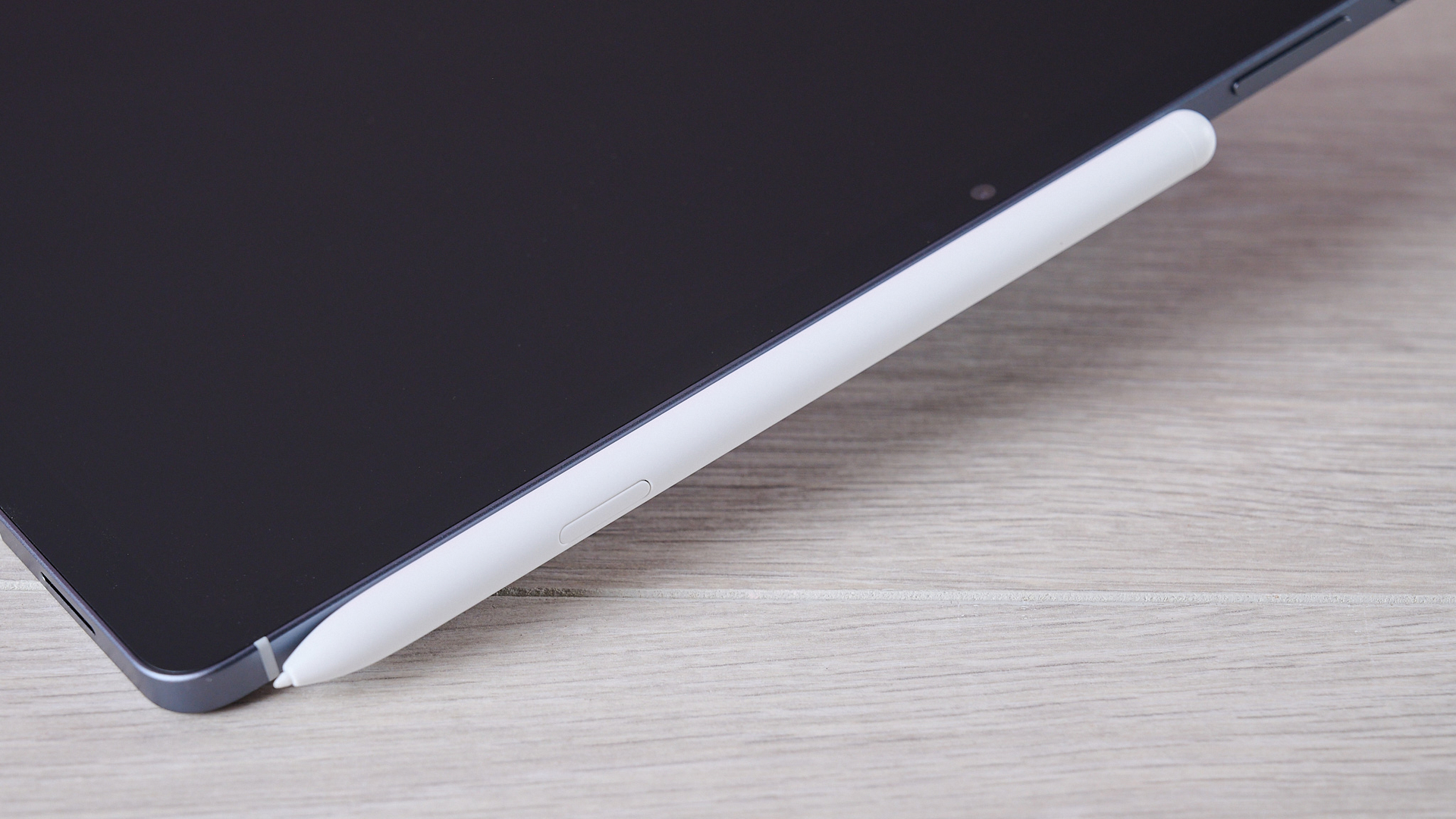
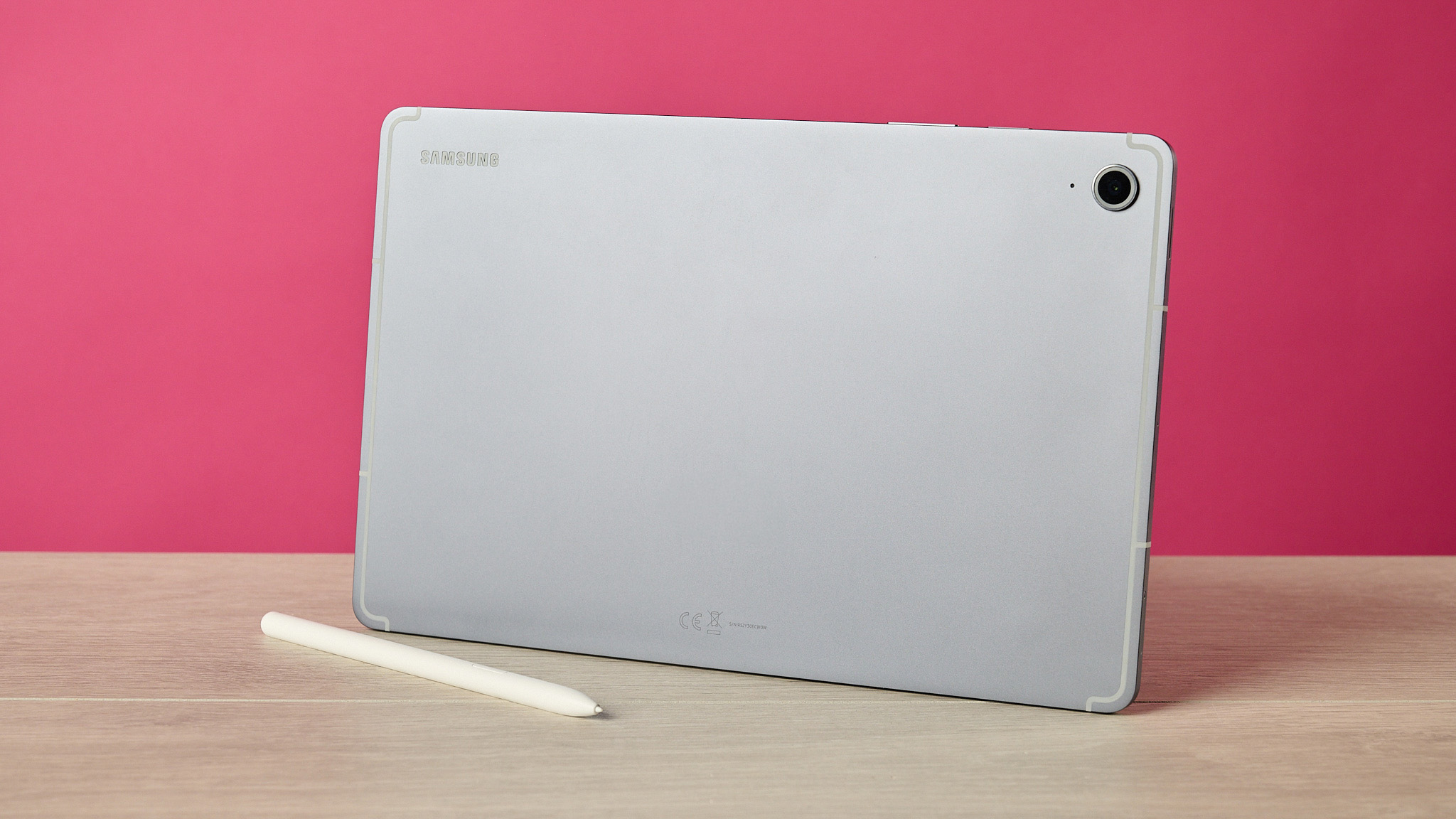
However, Samsung’s color palette for the Tab S10 FE – limited to Gray, Silver, and Blue – might be considered somewhat conservative. While these shades offer a professional and understated look, they lack the vibrant options seen in some competitor lineups, such as the Apple iPad 11-inch (2025), which offers more playful hues like yellow and pink. This choice likely reflects a strategic decision to position the FE series as a more serious, productivity-focused device rather than a purely lifestyle-oriented gadget, but it does somewhat limit personal expression for consumers.
Display Performance: Vivid Visuals with Practical Limitations
The 10.9-inch IPS LCD display of the Samsung Galaxy Tab S10 FE is a standout feature, delivering a rich and vibrant visual experience that punches above its weight class. With a resolution of 2304 x 1440 pixels and a 90Hz refresh rate, it provides sharp detail and smooth scrolling, enhancing everything from web browsing to video consumption. The 16:10 aspect ratio is well-suited for both productivity tasks and media viewing, offering a good balance for landscape orientation.
In real-world testing, streaming high-resolution content like Blue Planet II in 4K revealed the display’s capabilities. The level of detail was consistently impressive, rendering intricate patterns and textures with remarkable clarity. For instance, the sharp black-and-white lines of a cuttlefish appeared exceptionally well-defined. While its 249.26ppi pixel density is slightly lower than the Apple iPad 11-inch (2025)’s 264ppi, the difference is largely imperceptible to the average user in everyday scenarios, highlighting Samsung’s effective optimization of the panel.
Contrast, especially for an LCD panel, is remarkably strong. Deep ocean scenes maintained inky blacks and clear distinctions even when juxtaposed with dappled sunlight, creating a visually immersive experience. Color reproduction is another major strength; vibrant reds and blues, such as those of a Lion’s mane jellyfish, appeared breathtakingly true to life, rivaling the fidelity seen on some premium OLED displays like the Super Retina XDR on flagship iPhones. This vibrant color performance is a significant advantage for media consumption and creative tasks.
However, the display is not without its minor drawbacks. Whites tend to lean slightly cooler than ideal, giving them a subtle blue tint in some instances. More critically, the screen’s brightness, with a typical peak of 600 nits and an outdoor High Brightness mode reaching 800 nits, isn’t exceptionally high. This, combined with a somewhat reflective surface, can make visibility challenging under direct sunlight or strong overhead fluorescent lighting, requiring users to seek shaded environments for optimal viewing. Despite these minor issues, the Tab S10 FE’s display remains a solid performer for its price segment, offering tantalizing visuals for most indoor and moderately lit outdoor use cases.
Software Experience and Productivity: One UI’s Intelligent Ecosystem
The Samsung Galaxy Tab S10 FE runs on One UI 8.5, built upon Android 16, providing a modern, fluid, and highly functional operating system experience. One UI is renowned for its extensive customization options and intuitive interface, and on the Tab S10 FE, it feels light and responsive. Compared to some other Android tablets, the presence of pre-installed bloatware is relatively minimal, contributing to a cleaner user experience.
A core strength of the Tab S10 FE lies in its robust suite of productivity tools, many of which are enhanced by the included S Pen. The tablet excels at multitasking; users can easily drag two fingers from the side of the screen to activate multi-window mode, allowing for seamless side-by-side application usage, such as streaming video while simultaneously working in a document. The ability to create multiple desktops helps in organizing discrete workflows, making it an ideal companion for students and professionals.
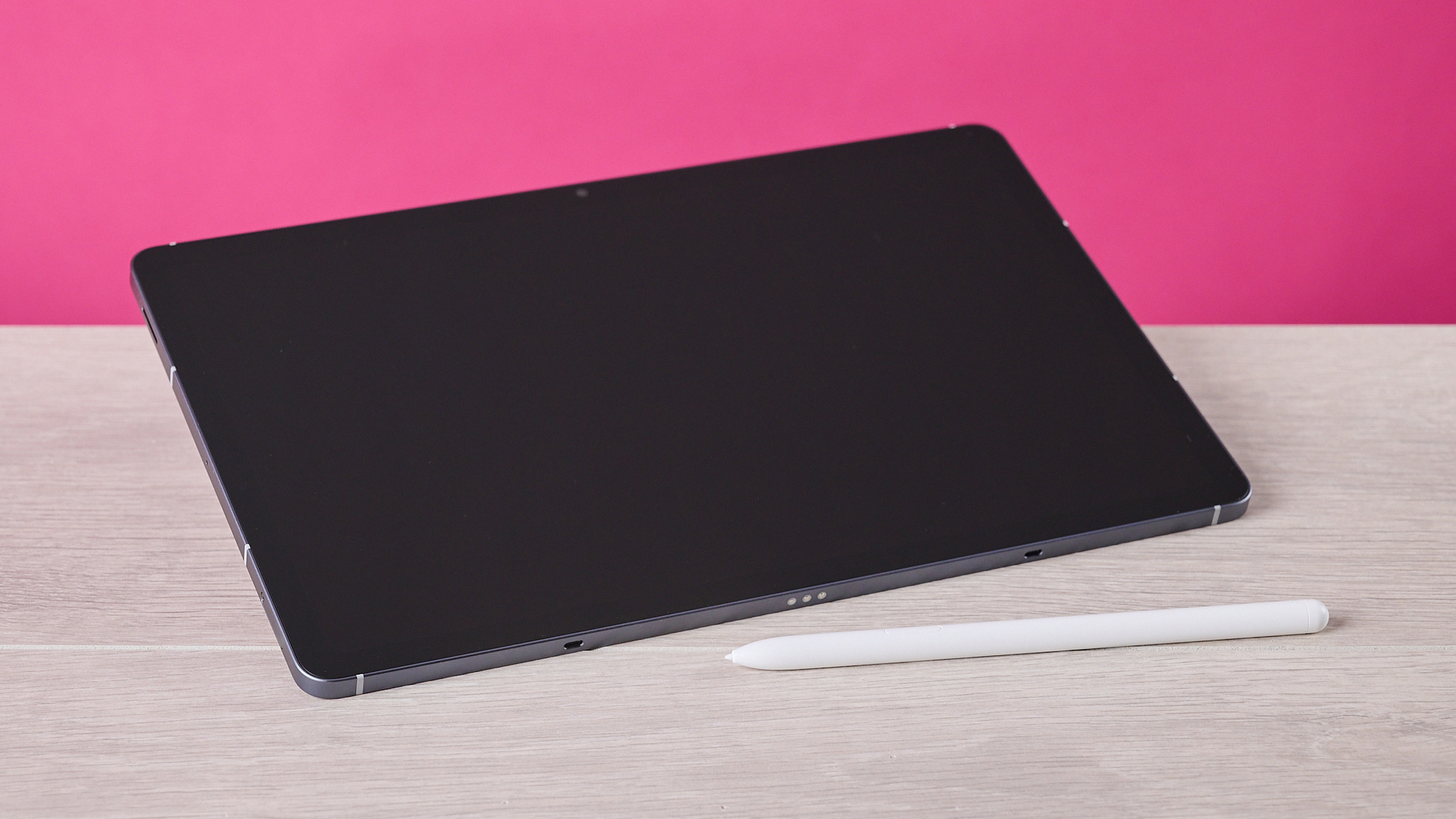
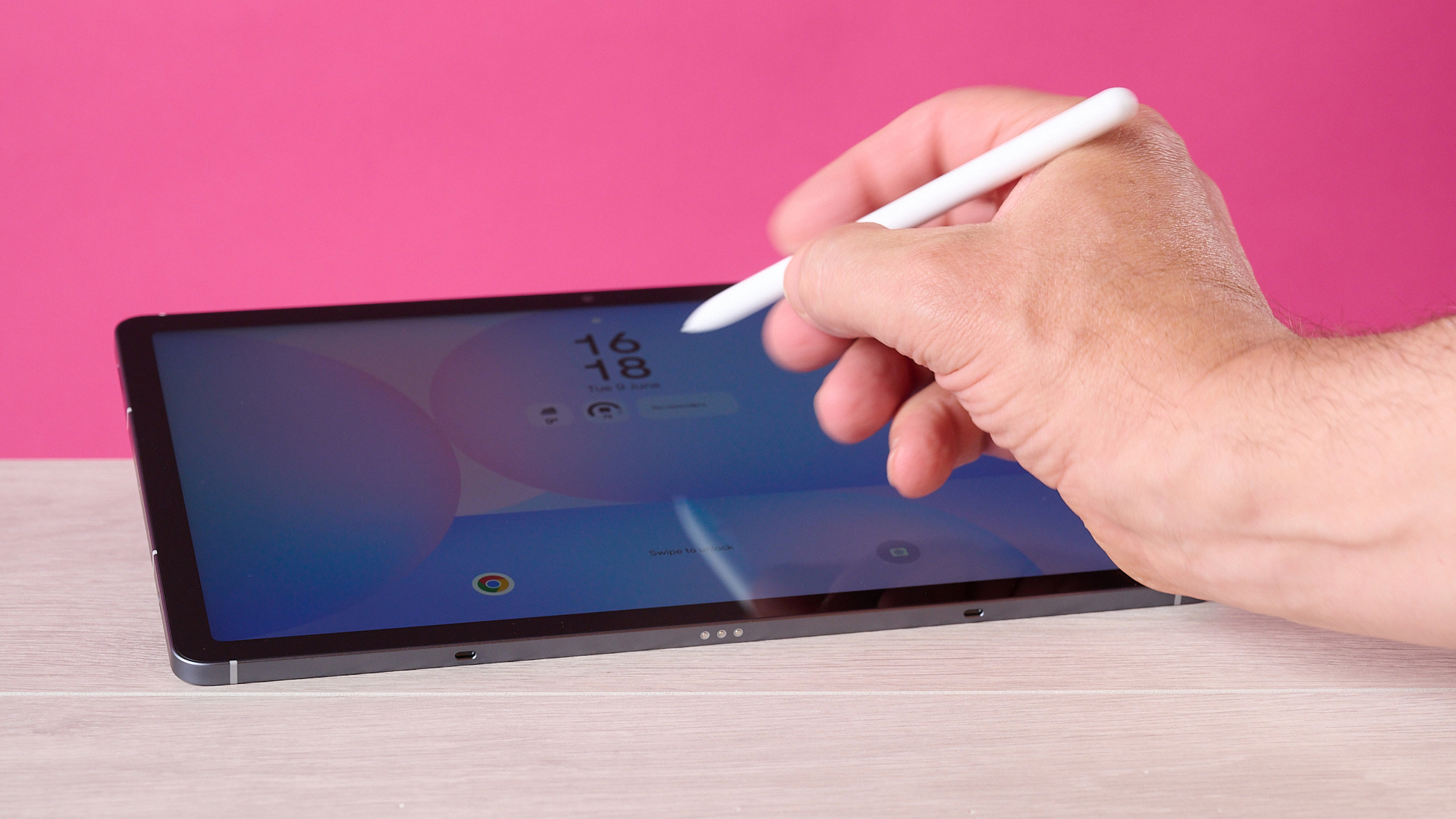
The S Pen itself unlocks a wealth of functionality. Samsung’s native Penup drawing application, for instance, offers advanced features like downloadable brushes, layering, and direct export of live drawing videos, catering well to digital artists and casual sketchers alike. Handwriting Help is another standout feature, adeptly correcting alignment and, to a lesser extent, letter shapes, making handwritten notes more legible. The tablet’s handwriting recognition is particularly impressive, accurately converting even notoriously messy script into digital text. The "Circle to Search" feature, triggered by holding the Home button, provides context-aware AI search, allowing users to quickly identify objects or text within images or videos by simply circling them with the stylus – a genuinely innovative and practical tool. The "Solve Math" function is intriguing, designed to instantly provide answers to written equations, though its reliability can be inconsistent, particularly with complex functions or less-than-perfect handwriting.
However, the software experience is not without its criticisms. The inclusion of certain pre-installed apps like LumaFusion and Clip Studio Paint, which require payment to unlock full functionality, can feel like thinly veiled advertisements rather than genuine value additions. More controversially, some of Samsung’s built-in "Face Effects" in the photo editing tools raise ethical concerns. While basic blemish removal and complexion smoothing are common, features such as jawline correction, skin-tone lightening/darkening, and a "Reshape" tool for altering facial and body features veer into problematic territory. In an era where "looksmaxxing" and colorism are significant societal issues, offering tools that encourage such alterations can be seen as irresponsible, and their implementation can often lead to unnatural, "Cronenbergian" results, as noted by the reviewer.
Performance: A Capable Engine for Daily Demands
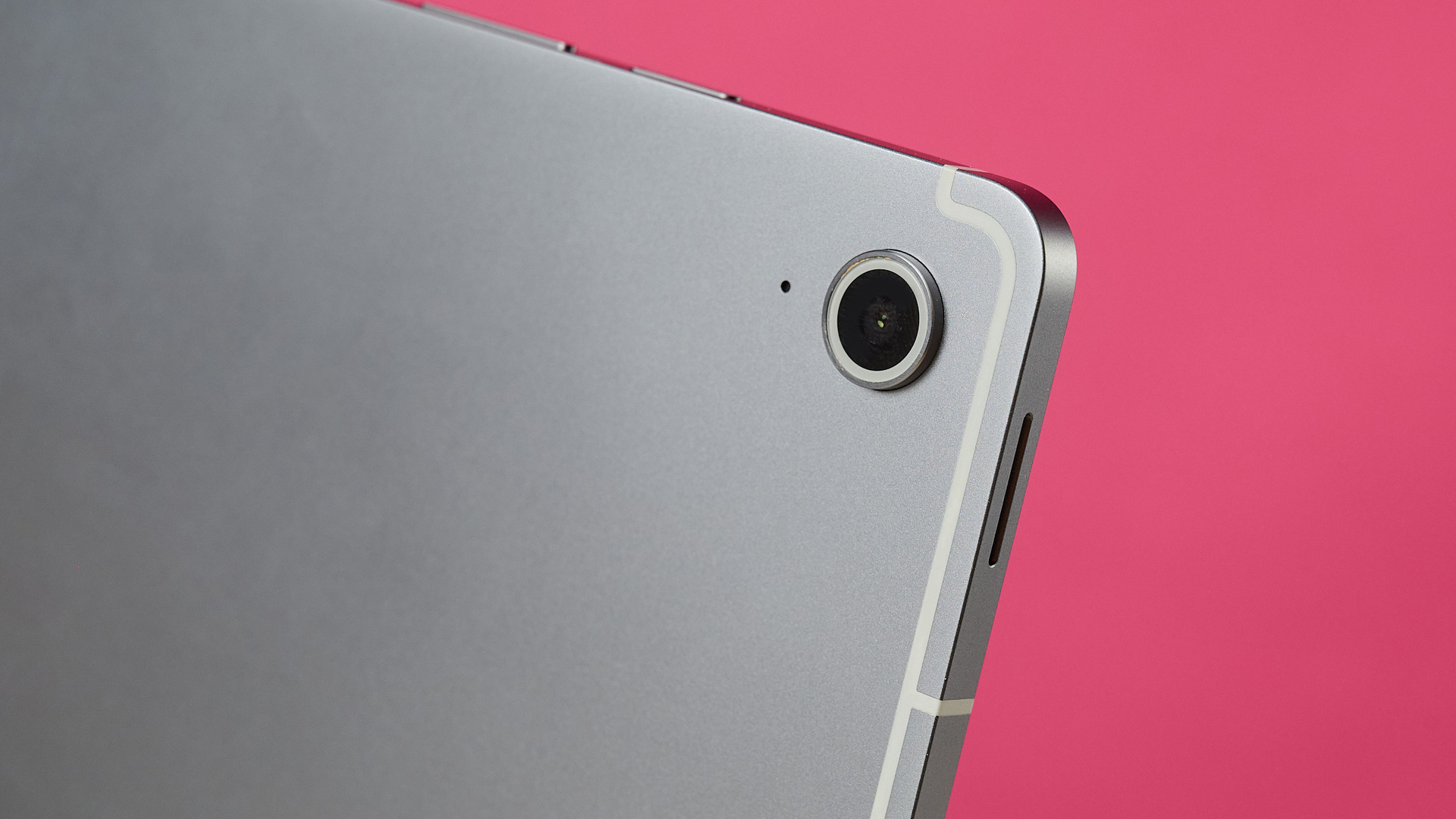
Underpinning the Samsung Galaxy Tab S10 FE’s operations is the Exynos 1580 chipset, paired with either 8GB or 12GB of RAM. This processor, while not a top-tier flagship chip, offers performance comparable to the Qualcomm Snapdragon 7 Gen 3, positioning it firmly in the capable mid-range segment. For everyday productivity tasks, the Exynos 1580 proves more than sufficient. Users can expect a fluid experience when browsing the internet with multiple tabs, managing documents, or running several applications simultaneously in multi-window mode, all without experiencing noticeable slowdown or lag. The tablet effortlessly handles demanding scenarios such as streaming video in one window while typing in another, showcasing its efficiency.
When it comes to gaming, the Tab S10 FE delivers an adequate, if not exceptional, experience. Less graphically intensive titles like Call of Duty: Mobile run stably, even with high-resolution graphics packs downloaded, allowing for consistent gameplay. However, more demanding games such as Genshin Impact present a greater challenge. While the game initially defaults to lower graphics settings, pushing it to even "Low" settings prompts warnings about CPU overclocking. Despite these warnings, the game remains playable on Medium settings, suggesting that the primary bottleneck isn’t raw processing power but rather the tablet’s thermal management.
Observations during extended gaming sessions indicate that the device tends to warm up considerably, particularly after prolonged play or when running graphically intensive titles. This suggests that while the Exynos 1580 is capable, the cooling system might not be designed for sustained peak performance under heavy loads. For casual gamers, this might not be an issue, but those looking for a device for long, high-fidelity gaming sessions might find the thermal performance limiting, potentially leading to throttling and a less consistent experience. Nevertheless, for its target audience of productivity and casual entertainment, the Tab S10 FE’s performance is commendable.
Battery Life and Charging: Enduring Power for Extended Use
One of the most impressive aspects of the Samsung Galaxy Tab S10 FE is its exceptional battery life. Equipped with an 8,000mAh battery, the device consistently delivers around 20 hours of usage on a single charge, closely matching Samsung’s official estimates. Real-world testing, involving continuous 2K video streaming for five hours at medium brightness, showed the battery level dropping to a mere 74%. This translates to several days of real-world use for most users, making it a reliable companion for travel, work, or extended leisure.
Furthermore, when the battery eventually runs low, the Tab S10 FE supports 45W wired fast charging. This allows for a remarkably quick turnaround, with the device going from 0% to 100% in just 1 hour and 44 minutes. Given the substantial 8,000mAh capacity, this charging speed is highly competitive and convenient, minimizing downtime.
The Tab S10 FE’s battery performance stands out even when compared to more premium tablets. Its efficient display and chipset allow it to outlast devices with larger capacities but less optimized power consumption, such as the Samsung Galaxy Tab S10 Plus. While it may not quite reach the extreme longevity of specialized battery-focused tablets like the Honor MagicPad 4 (which boasts a 10,100mAh battery and 66W charging), its endurance is seriously long-lived and certainly competitive within its price segment, surpassing even the similarly priced iPad Air in terms of hours of active use.
Market Positioning and Competitive Landscape: A Balanced Contender
The Samsung Galaxy Tab S10 FE effectively carves out a niche in the crowded tablet market. Its blend of premium features, robust build quality, and strong battery life at a mid-range price point ($549.99 / £539 / AU$849 for Wi-Fi; $649.99 / £639 / AU$1,049 for 5G) makes it an attractive proposition for a specific demographic.
Against key competitors, the Tab S10 FE holds its own. The Honor MagicPad 4, for instance, offers a more powerful Snapdragon 8 Gen 5 chipset, a larger and higher-resolution OLED display with a 165Hz refresh rate, an even larger 10,100mAh battery, and faster 66W charging. It’s also slimmer and lighter. However, its significant limitation is regional availability, being primarily confined to the British market. The OnePlus Pad 3, another strong contender, features the formidable Snapdragon 8 Elite chipset, a higher-resolution 13.2-inch IPS LCD with a 144Hz refresh rate, and an even larger 12,140mAh battery with rapid 80W charging. These alternatives offer superior raw power and display specifications, particularly for gaming and media consumption, but often come with a higher price tag or regional restrictions.
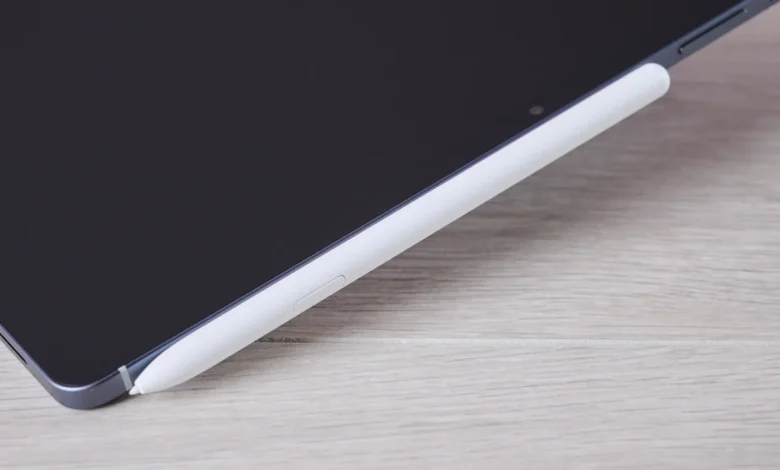
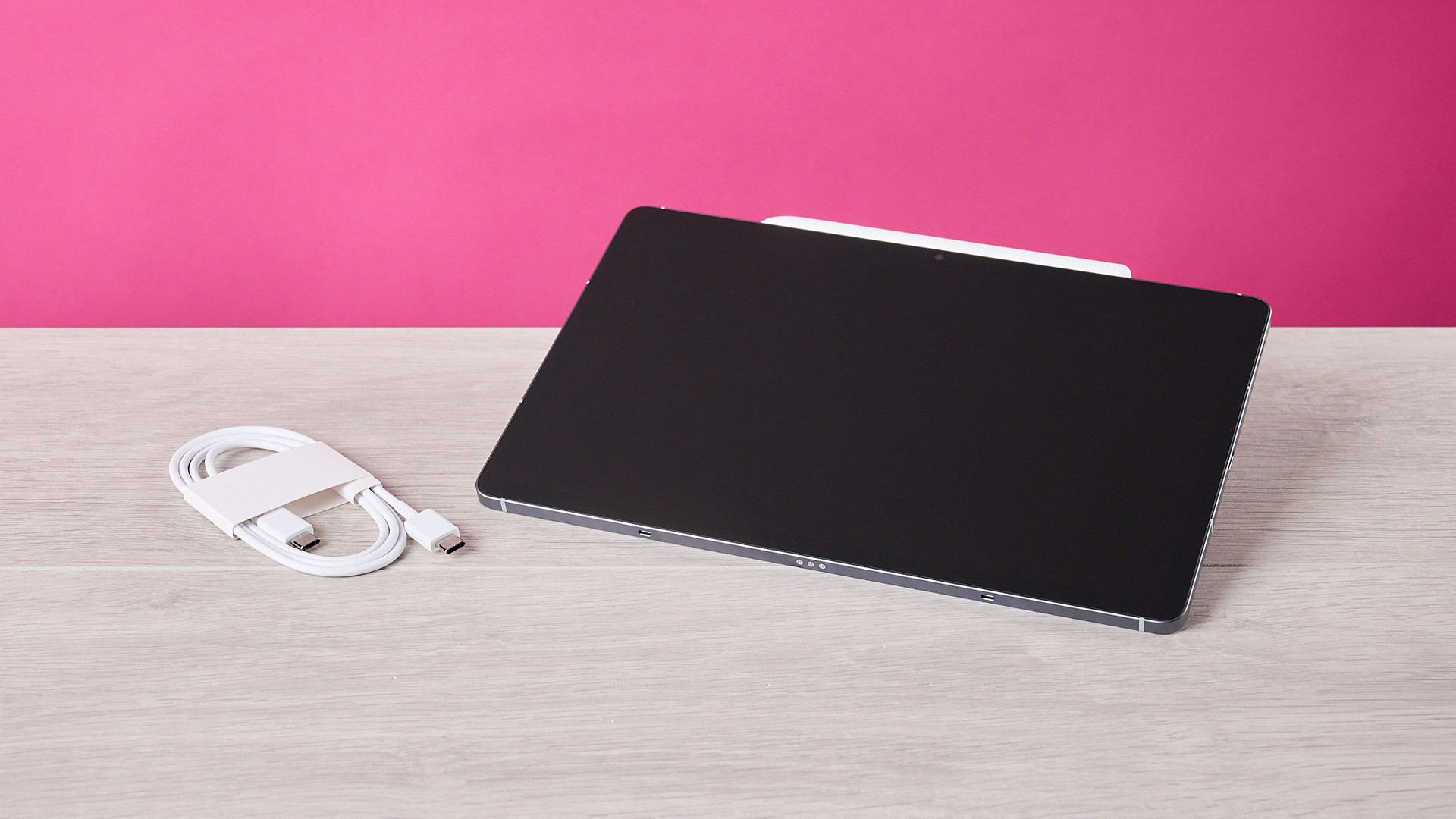
The Tab S10 FE’s inclusion of the S Pen in the box is a notable value-add, as many competitors charge extra for their stylus accessories. This makes it an especially strong choice for students, artists, and professionals who rely on pen input for notes, sketching, or precise navigation. Samsung’s strategic pricing, coupled with its ecosystem advantages through One UI and integration with other Samsung devices, helps it maintain a strong competitive stance.
Conclusion: A Durable and Capable Contender for the Long Haul
A year post-launch, the Samsung Galaxy Tab S10 FE remains a highly compelling device for its target audience. It successfully delivers on the "Fan Edition" promise by offering a near-flagship experience at a more palatable price. Its solid, premium build, IP68 durability, and the inclusion of the versatile S Pen make it a practical and resilient choice. The vibrant 10.9-inch display, while not the brightest or highest resolution on the market, provides excellent color fidelity and contrast for media consumption and creative work. The One UI software, with its intelligent productivity features like Circle to Search and Handwriting Help, enhances usability for a wide range of tasks.
While the Exynos 1580 chipset provides ample power for daily productivity, its gaming performance, particularly under sustained high loads, is merely adequate, and thermal management could be improved. The limited color options and the ethical concerns surrounding some of the "Face Effects" in the photo editor are minor blemishes on an otherwise polished offering.
Ultimately, for users prioritizing productivity, note-taking, digital art, and extended media consumption, the Galaxy Tab S10 FE represents an excellent investment. Its impressive 20-hour battery life and rapid charging further cement its status as a reliable daily driver. As long as top-tier gaming performance or extreme outdoor screen brightness are not primary requirements, the Samsung Galaxy Tab S10 FE continues to be a smart purchase, offering a durable, feature-rich, and long-lasting tablet experience that skillfully balances price and performance.