Dell UltraSharp 32 4K QD-OLED (U3226Q) Review: A Masterpiece for Visual Professionals

The professional display market has witnessed a significant technological shift with the introduction of Quantum Dot OLED (QD-OLED) panels. As creative workflows demand higher color accuracy, deeper contrast ratios, and faster refresh rates, traditional IPS panels have faced stiff competition. Dell Technologies, a dominant force in the enterprise and productivity hardware sectors, has formally entered the high-end creator segment with its latest flagship offering: the Dell UltraSharp 32 4K QD-OLED monitor, model U3226Q. Designed specifically for photo editors, video producers, color graders, and digital artists, this 32-inch display aims to redefine visual standards while commanding a substantial investment.
Main Facts and Core Specifications
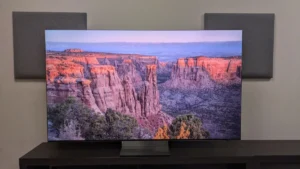
At the heart of the Dell UltraSharp 32 4K QD-OLED (U3226Q) is a cutting-edge 32-inch panel boasting a native 4K Ultra HD resolution (3840 x 2160 pixels) and a smooth 120Hz refresh rate. Unlike standard office monitors, this display marries the self-lit pixel technology of OLED with Quantum Dot color enhancement, resulting in exceptional color purity, infinite contrast ratios, and true black performance certified by VESA DisplayHDR True Black.
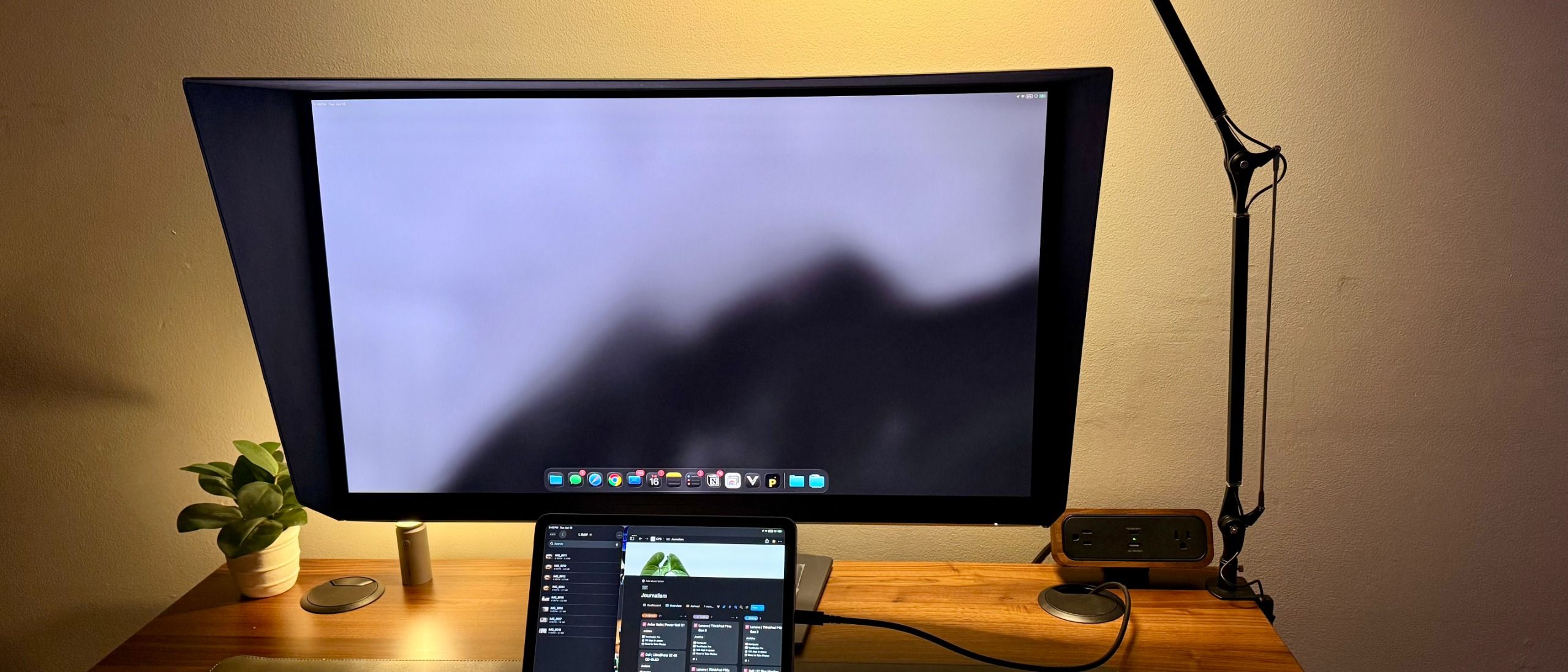
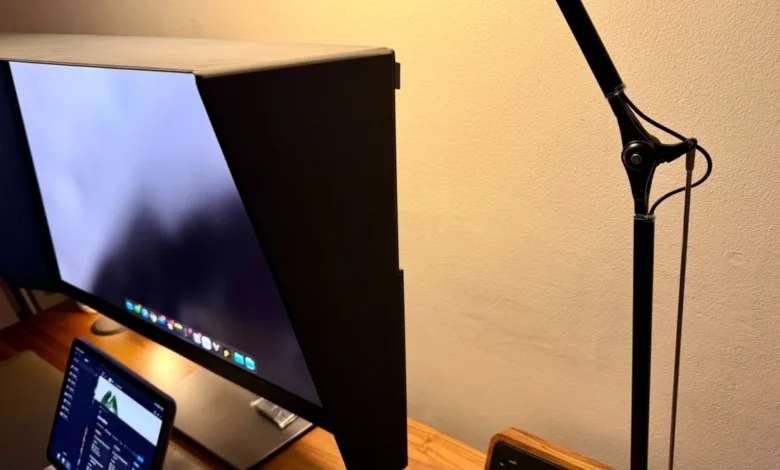
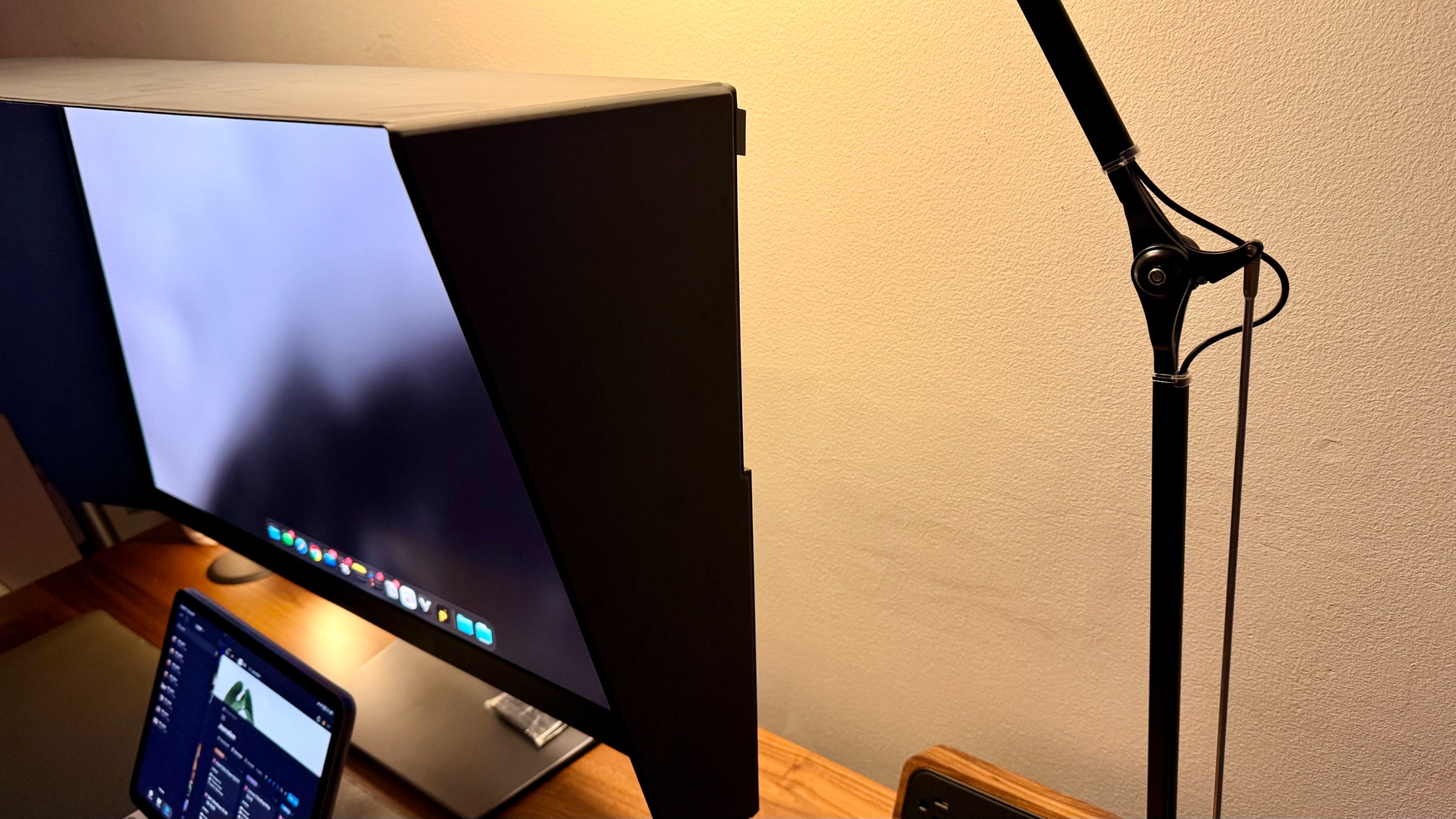
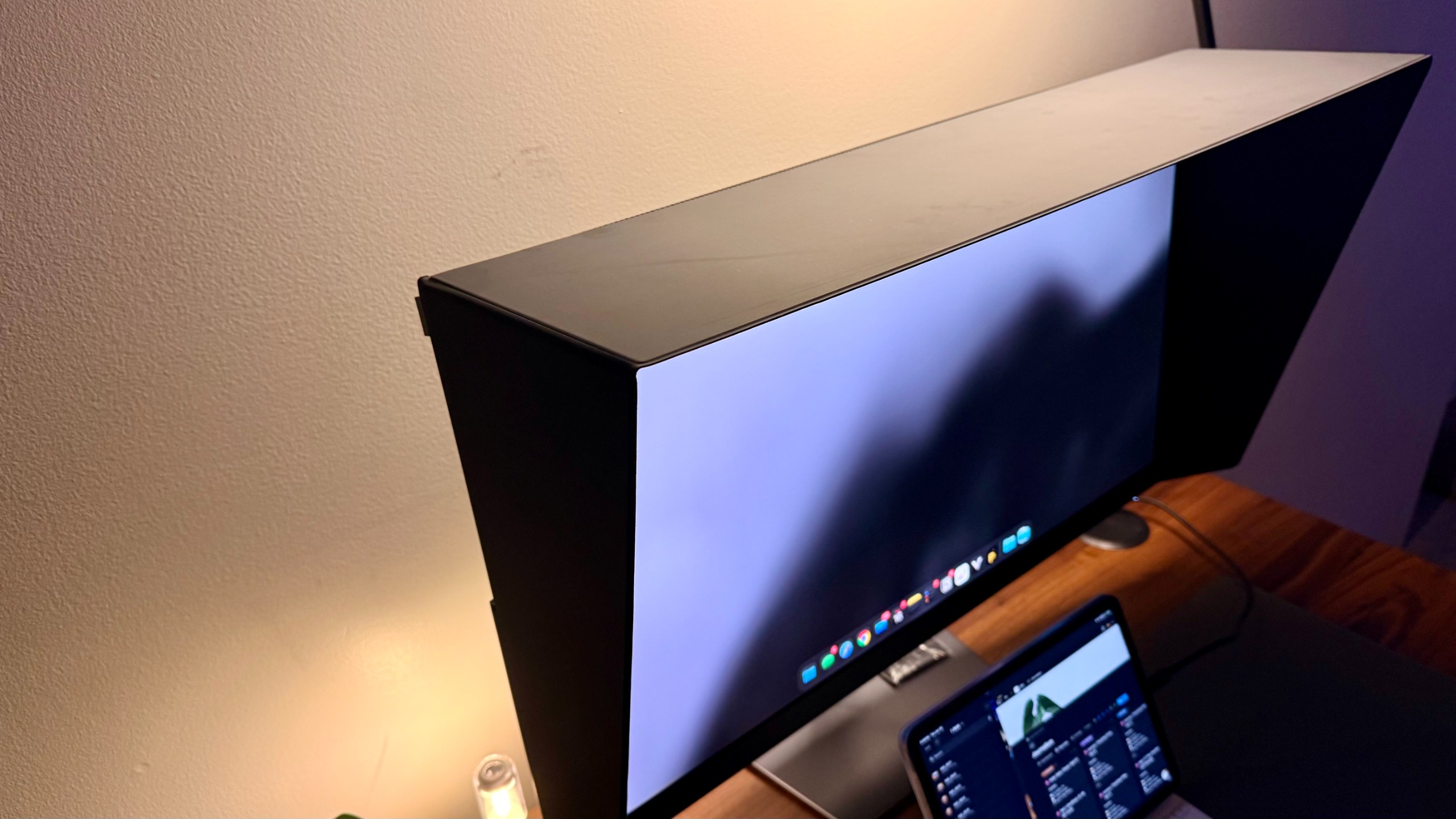
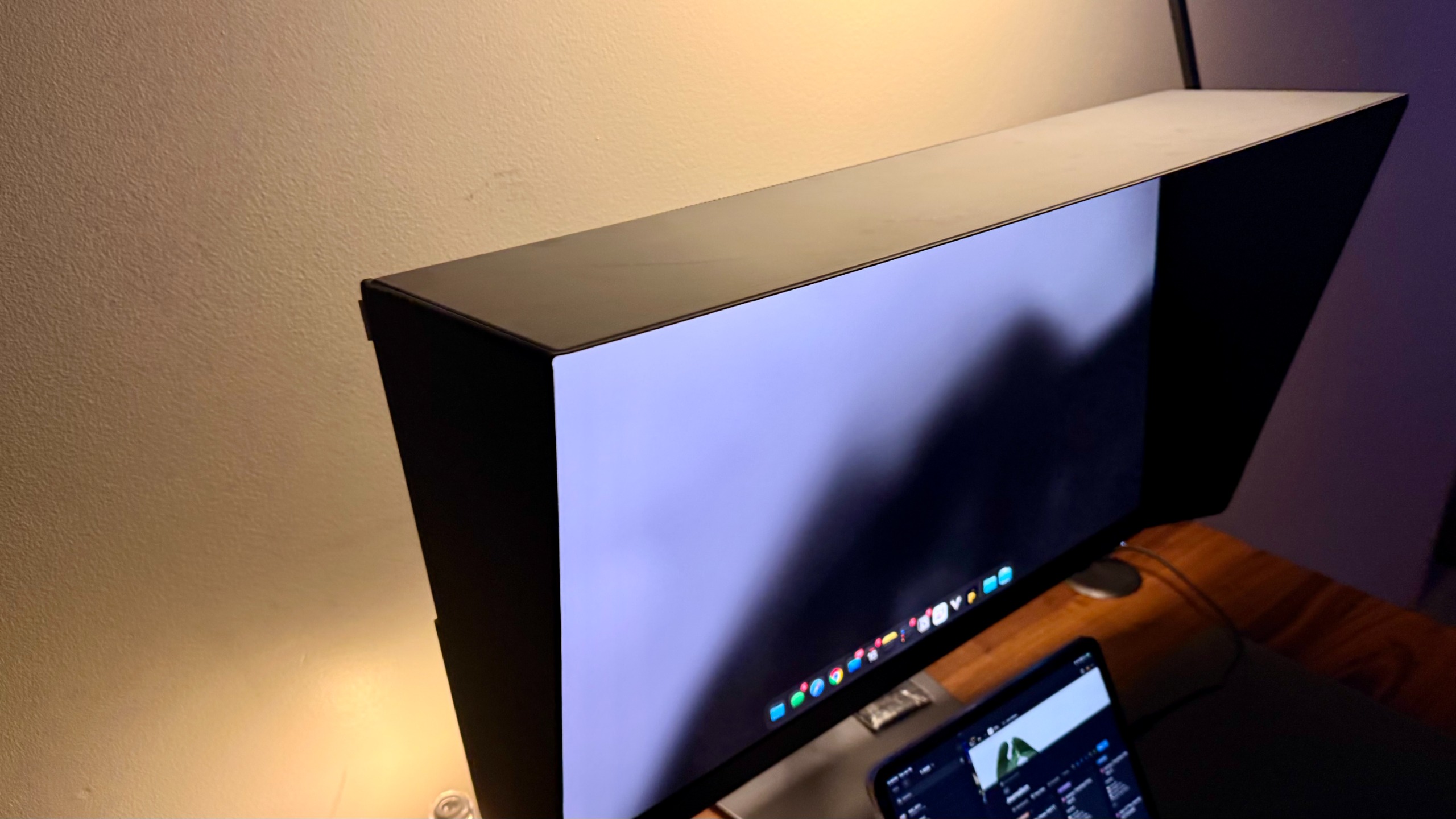
The monitor is engineered explicitly for color-critical workflows, featuring a built-in motorized colorimeter that allows for automated hardware calibration—a feature traditionally requiring expensive third-party standalone calibration tools. To combat environmental lighting challenges that typically plague glossy OLED panels, Dell includes a custom-engineered, magnetically attaching shader hood. This accessory mitigates glare and ambient light interference without sagging or compromising the sleek profile of the display.
Connectivity options are robust, catering to modern multi-device desktop environments. The U3226Q functions as an integrated hub, featuring a comprehensive Thunderbolt dock architecture. Users can transmit high-resolution video, data, and power delivery (Power Delivery up to 140W depending on configuration) to compatible laptops and workstations via a single USB-C or Thunderbolt cable, drastically reducing desk clutter while maintaining high-speed peripheral connectivity through downstream USB ports and HDMI 2.1 inputs.
Pricing and Market Availability
Positioned firmly at the apex of the desktop monitor market, the Dell UltraSharp 32 4K QD-OLED carries a premium price tag that reflects its advanced engineering and specialized target audience. In the United States, the U3226Q retails directly through Dell for $,2440, while UK buyers face an equivalent MSRP of approximately £2,405.
While the display is accessible through Dell’s enterprise and consumer web portals, availability through third-party enterprise hardware vendors and retail channels remains sporadic. This limited initial distribution underscores Dell’s strategy to target specialized creative studios, enterprise clients, and independent high-end media professionals rather than the mass consumer gaming market—despite the panel’s impressive 120Hz refresh rate.
Evolution of Creator Displays and Industry Context
The launch of the U3226Q represents a calculated evolution in Dell’s UltraSharp product line. Historically, Dell has dominated corporate boardrooms and financial trading desks with dependable, high-resolution IPS displays that prioritize ergonomic versatility and text clarity over cinematic color spaces. Meanwhile, brands such as Eizo, ASUS, BenQ, and Samsung carved out dominant market shares in the professional photo and video editing niches by pioneering specialized color-accurate panels and built-in calibration tools.
In recent years, the maturation of OLED technology—specifically Quantum Dot variants—has transformed the landscape. While early OLED monitors suffered from lower peak brightness levels and burn-in concerns, modern iterations utilize advanced thermal management and protective coatings to achieve sustained brightness levels reaching up to 1,000 nits in peak HDR windows. By introducing the U3226Q, Dell is signaling that it is no longer content to cede the high-end creative market to specialized display manufacturers, bringing its legendary enterprise reliability and warranty support to the luxury creator space.
Design, Ergonomics, and Build Quality
True to the UltraSharp lineage, the U3226Q eschews flashy, gamer-centric aesthetics in favor of a minimalist, executive-tier finish. The chassis is constructed from premium materials that offer structural rigidity while fitting seamlessly into compact studio spaces or minimalist workstation layouts. The monitor mounts effortlessly to industry-standard VESA arms, offering extensive tilt, swivel, pivot, and height adjustments.
One of the standout physical innovations of the U3226Q is its magnetically attaching light shader. Historically, monitor hoods were cumbersome, plastic assemblies requiring screws or awkward clips. Dell’s magnetic solution allows users to snap the shade into place instantly when working under harsh or fluctuating ambient lighting conditions, and remove it just as quickly when unhindered wide-angle viewing is required. Crucially, engineering tests indicate that the display maintains high perceived brightness even with the shader active, resolving a common drawback associated with aftermarket shading hoods that often leave panels looking dim and washed out.
Performance in Color-Critical Workflows
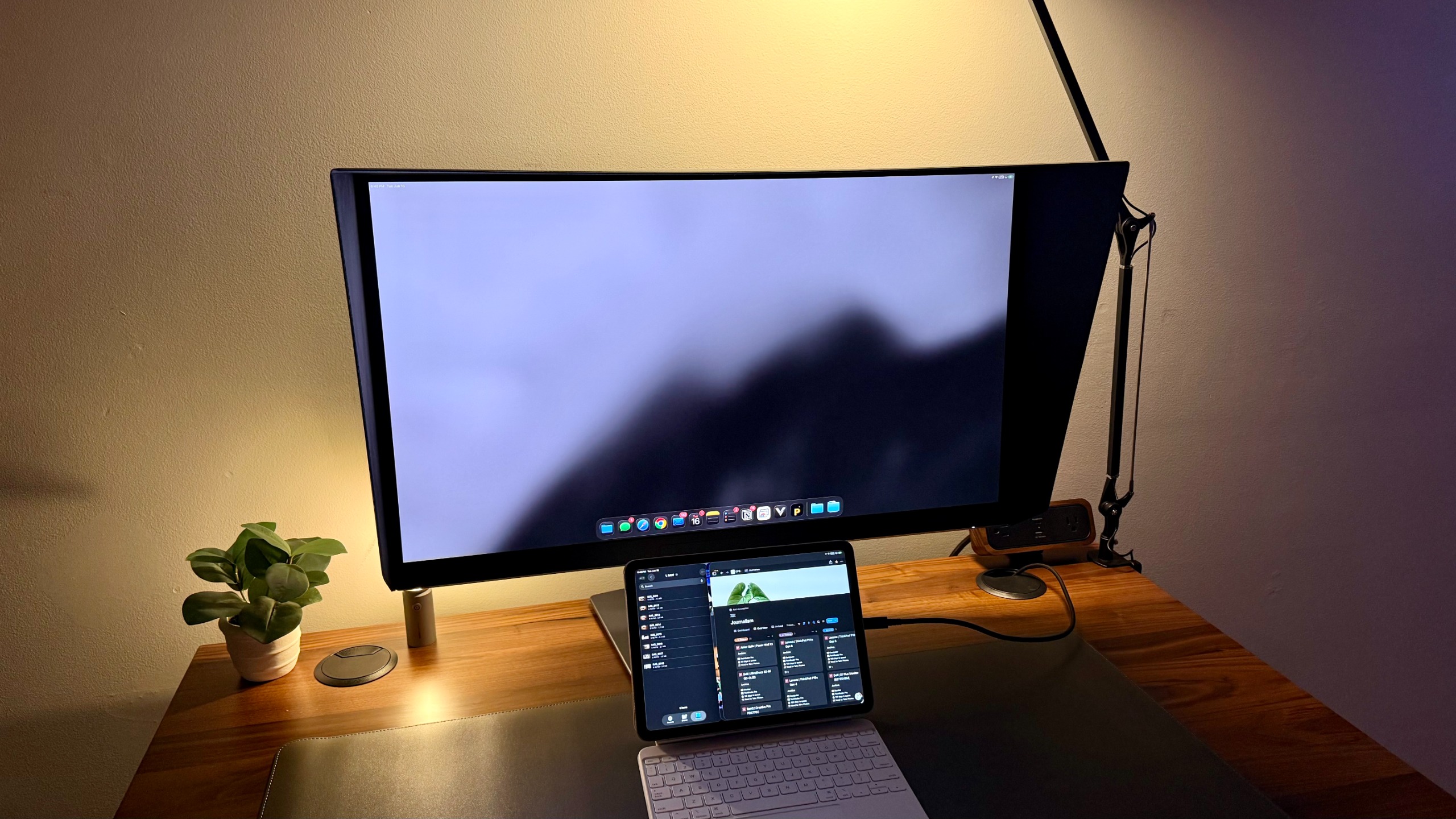
In practical, real-world deployment across demanding creative tasks—including 4K video editing, RAW photo retouching in Adobe Lightroom, and precise web UI/UX design—the Dell UltraSharp 32 4K QD-OLED excels. The convergence of 4K resolution on a 32-inch canvas provides ample screen estate for timeline scrubbing, tool palettes, and full-resolution image previewing without requiring excessive scaling.
The inclusion of the integrated colorimeter addresses one of the most persistent bottlenecks in professional imaging: color drift over time. By enabling scheduled, automated self-calibration without manual probe placement, the monitor ensures color fidelity remains consistent against industry standards such as DCI-P3, sRGB, and Adobe RGB.
Connectivity and Cable Management
Modern creative workflows often involve a revolving door of MacBook Pros, Windows mobile workstations, and desktop rigs. The U3226Q simplifies this complexity through its advanced single-cable Thunderbolt and USB-C architecture. Users can dock their primary laptop directly into the monitor, instantly gaining access to display signals, network connectivity via Ethernet (where supported), and downstream USB accessories while simultaneously fast-charging the computer.
While the port selection may not match the sprawling array of legacy video inputs found on heavy-duty gaming monitors, it provides all necessary modern standards, including HDMI 2.1 and DisplayPort 1.4, ensuring compatibility with high-bandwidth graphic cards and professional media capture hardware.
Broader Impact and Market Implications
The introduction of the Dell UltraSharp 32 4K QD-OLED (U3226Q) establishes a new benchmark for professional desktop displays. By combining self-emissive QD-OLED picture quality with automated hardware calibration, a magnetic anti-glare shader, and a comprehensive Thunderbolt docking station, Dell has delivered an all-in-one ecosystem tailored specifically for high-end visual artists.
However, the prohibitive cost structure means this monitor remains strictly an investment for professionals whose revenue generation directly relies on absolute color accuracy and visual fidelity. For casual office workers, spreadsheet enthusiasts, and occasional media consumers, the U3226Q is undeniably excessive. Yet, for elite video production houses, photographic studios, and digital content creators operating at the top of their fields, Dell’s latest flagship proves that perfection—while expensive—is finally within reach.