Samsung Unveils S95H: A 2026 Flagship OLED TV Redefining Brightness and Gaming Performance Amidst Design Evolution

Samsung has officially launched its 2026 flagship OLED television, the S95H, asserting its position at the apex of the company’s premium TV lineup. This new QD-OLED model, which debuted in June 2026, promises a groundbreaking visual experience characterized by unprecedented brightness, vivid color reproduction, and a comprehensive suite of AI-powered enhancements. While its core performance capabilities place it firmly among the elite displays available today, the S95H introduces significant design alterations, notably the "FloatLayer Design" and a revised stand, which are poised to generate considerable discussion among consumers and industry critics alike. Priced at a premium, with the 65-inch model entering the market at $3,299 / AU$5,299, the S95H is poised to contend fiercely in the high-end TV segment, directly challenging rivals such as LG’s G6 and Sony’s Bravia 8 II.
Advanced Display Technology and Unprecedented Brightness
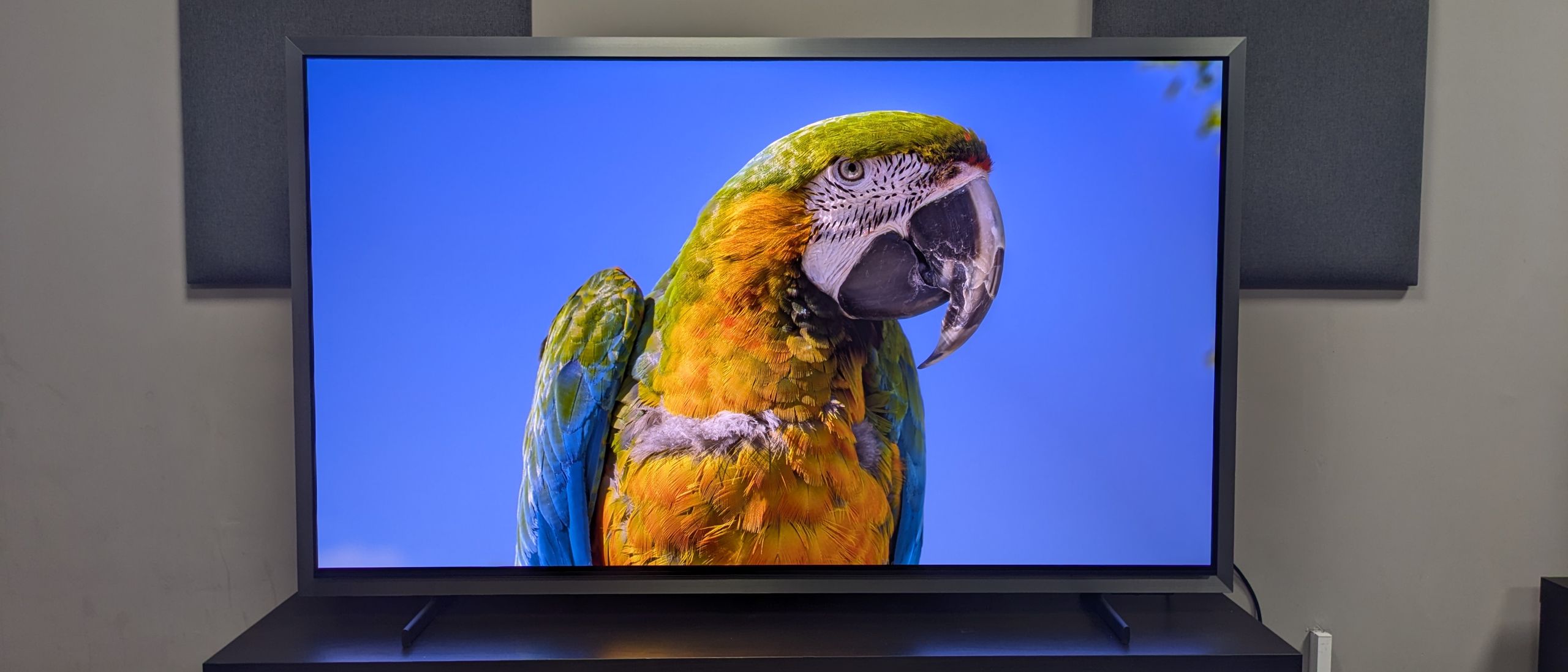
At the heart of the Samsung S95H’s exceptional performance lies its QD-OLED panel technology, which, for sizes ranging from 55 to 77 inches, leverages quantum dots to enhance color vibrancy and brightness while retaining the perfect blacks inherent to OLED. Samsung, while not explicitly confirming "QD-OLED" for all sizes, has historically employed this technology in its flagship OLEDs, and rigorous testing of the 65-inch model strongly indicates its continued use. The 83-inch variant, however, will incorporate an LG W-OLED panel, a practical decision given the current manufacturing limitations of QD-OLED panels at that size. This strategic hybrid approach allows Samsung to offer a wider range of screen sizes in the premium OLED category.
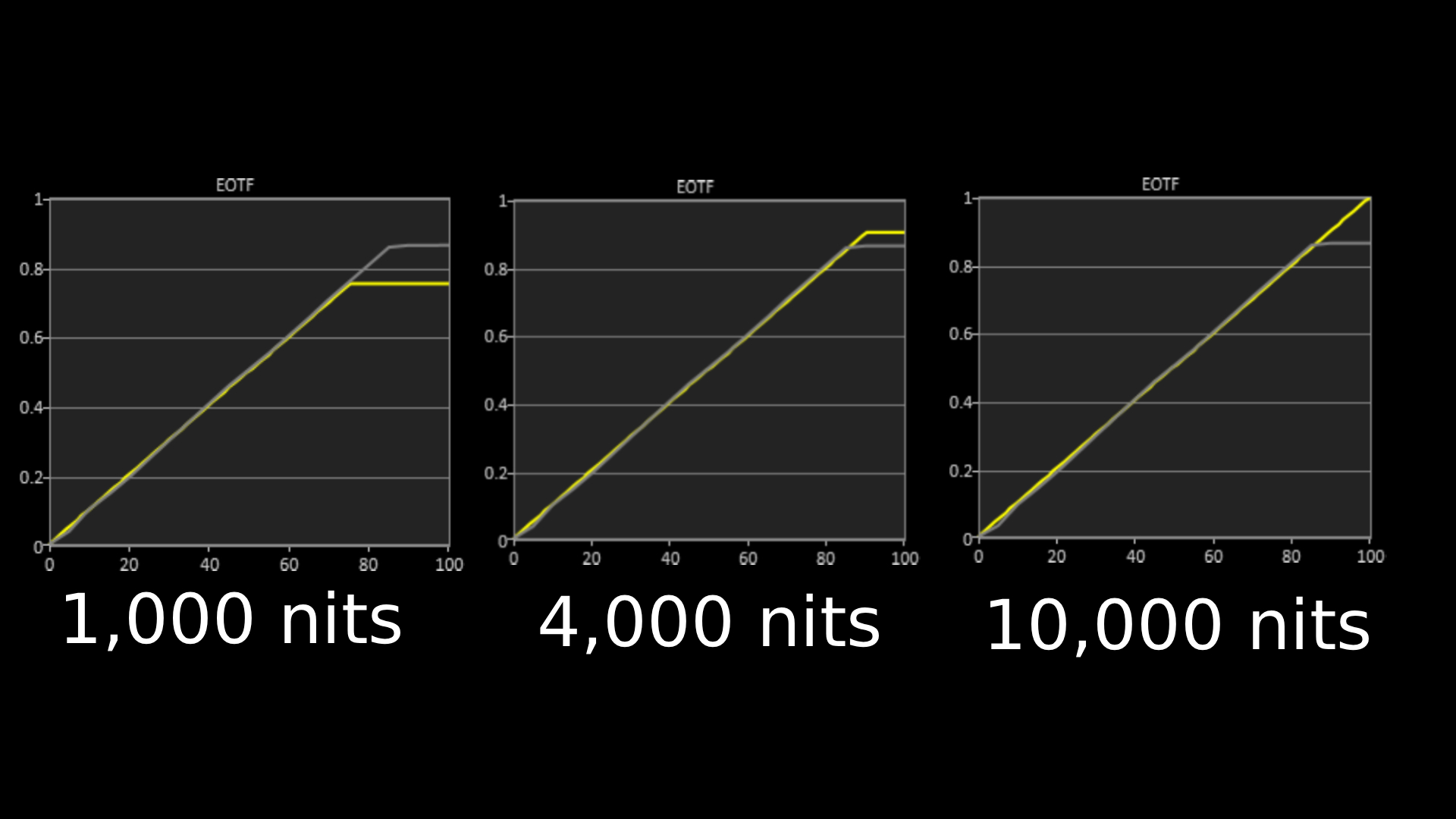
The S95H achieves remarkable brightness figures, pushing the boundaries of what OLED technology has traditionally offered. In Filmmaker Mode, it registered a peak HDR brightness of 2,739 nits, with the Standard mode reaching an even higher 2,831 nits. The Movie mode, a popular alternative for brighter viewing conditions, also impressed with 2,751 nits. These figures represent a substantial leap over its predecessor, the S95F, which achieved 2,132 nits in Filmmaker and 2,135 nits in Standard modes. The increase in fullscreen HDR brightness is equally significant, with the S95H hitting 449 nits in Filmmaker, 460 nits in Standard, and 450 nits in Movie mode, compared to the S95F’s 380-390 nits. This enhanced brightness translates into more impactful HDR highlights, greater overall picture clarity, and a more vibrant viewing experience, particularly in well-lit environments.
To further bolster its performance in varied lighting conditions, the S95H features Samsung’s "OLED Glare Free" anti-reflection, matte screen. This technology is highly effective at minimizing mirror-like reflections, making the TV a strong contender for rooms with significant ambient light. While comparative analysis with rival displays, such as the LG G6, suggests that the G6 might maintain superior black levels in bright rooms for actual content, the S95H undeniably excels in its primary objective of outright reflection elimination. This makes it an attractive option for users whose viewing environments are prone to unavoidable light sources.
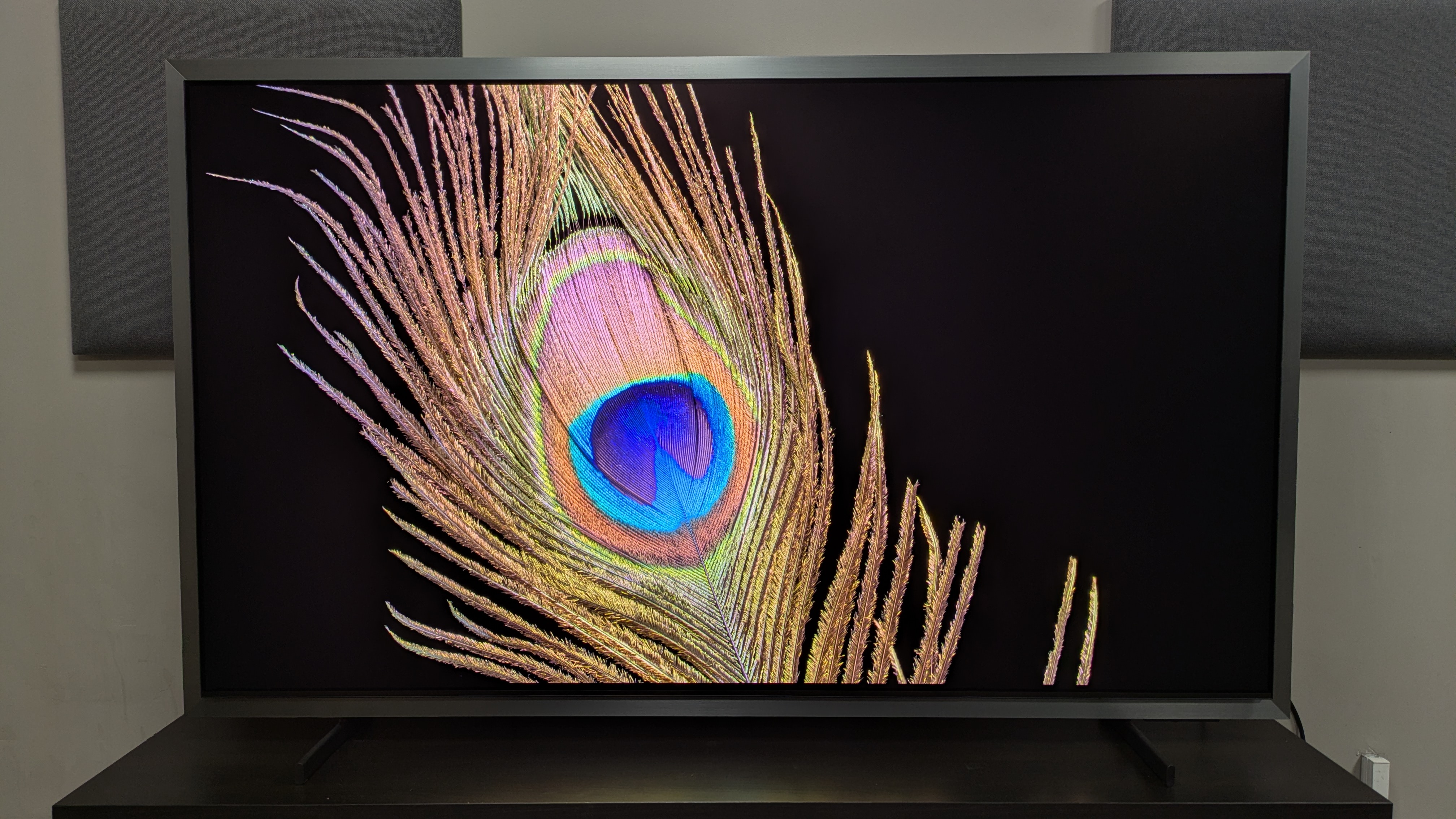
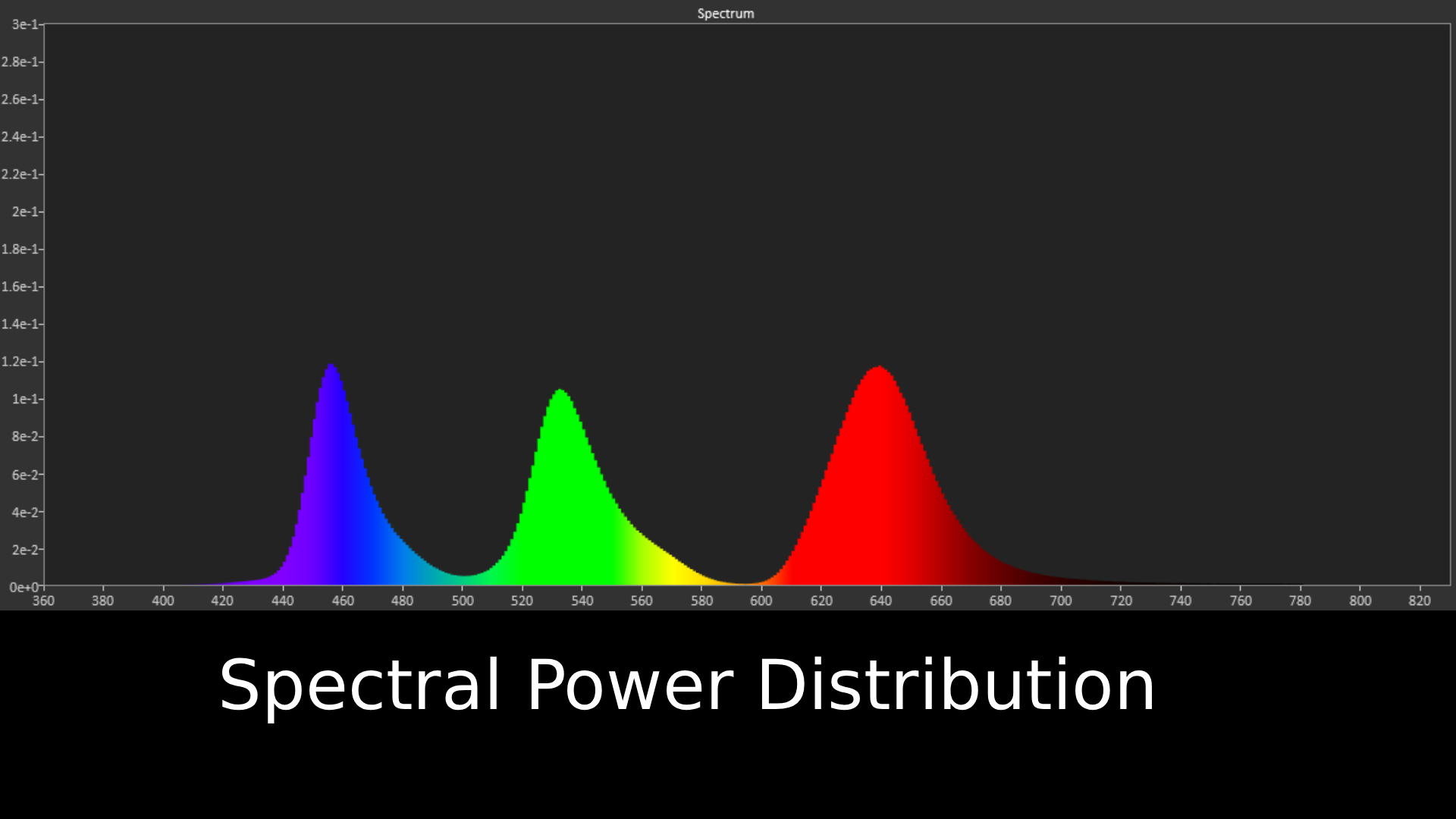
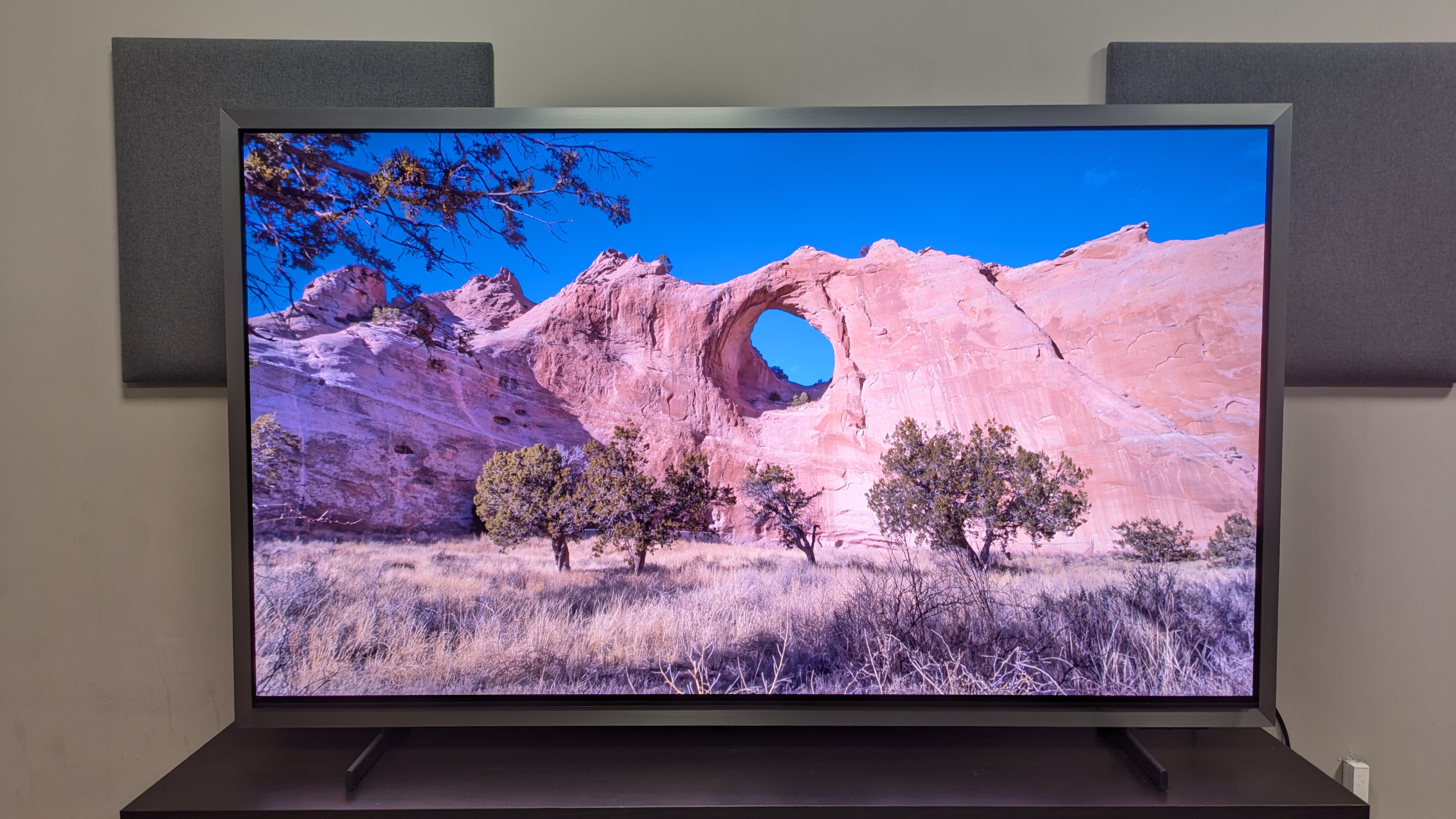
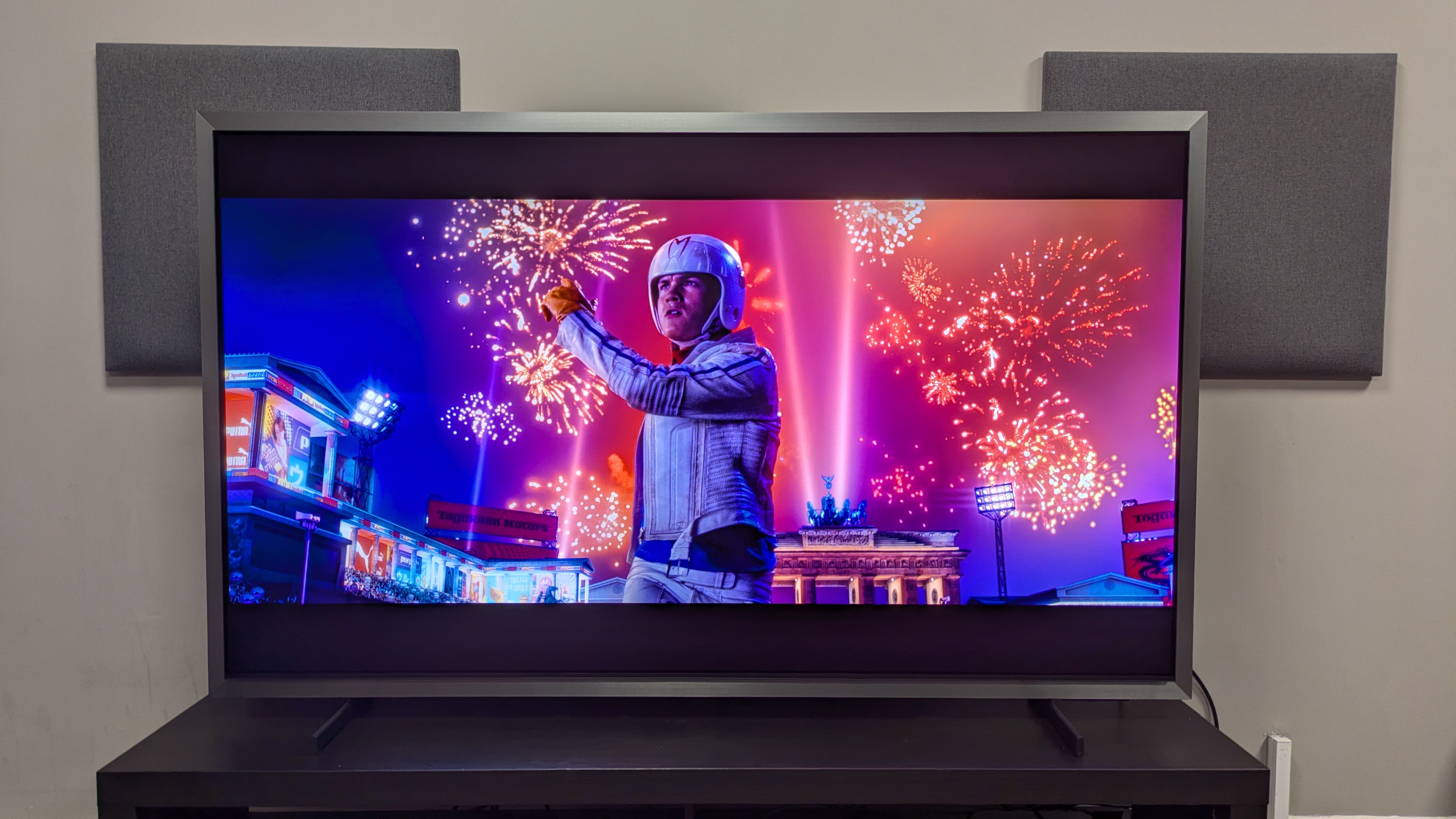
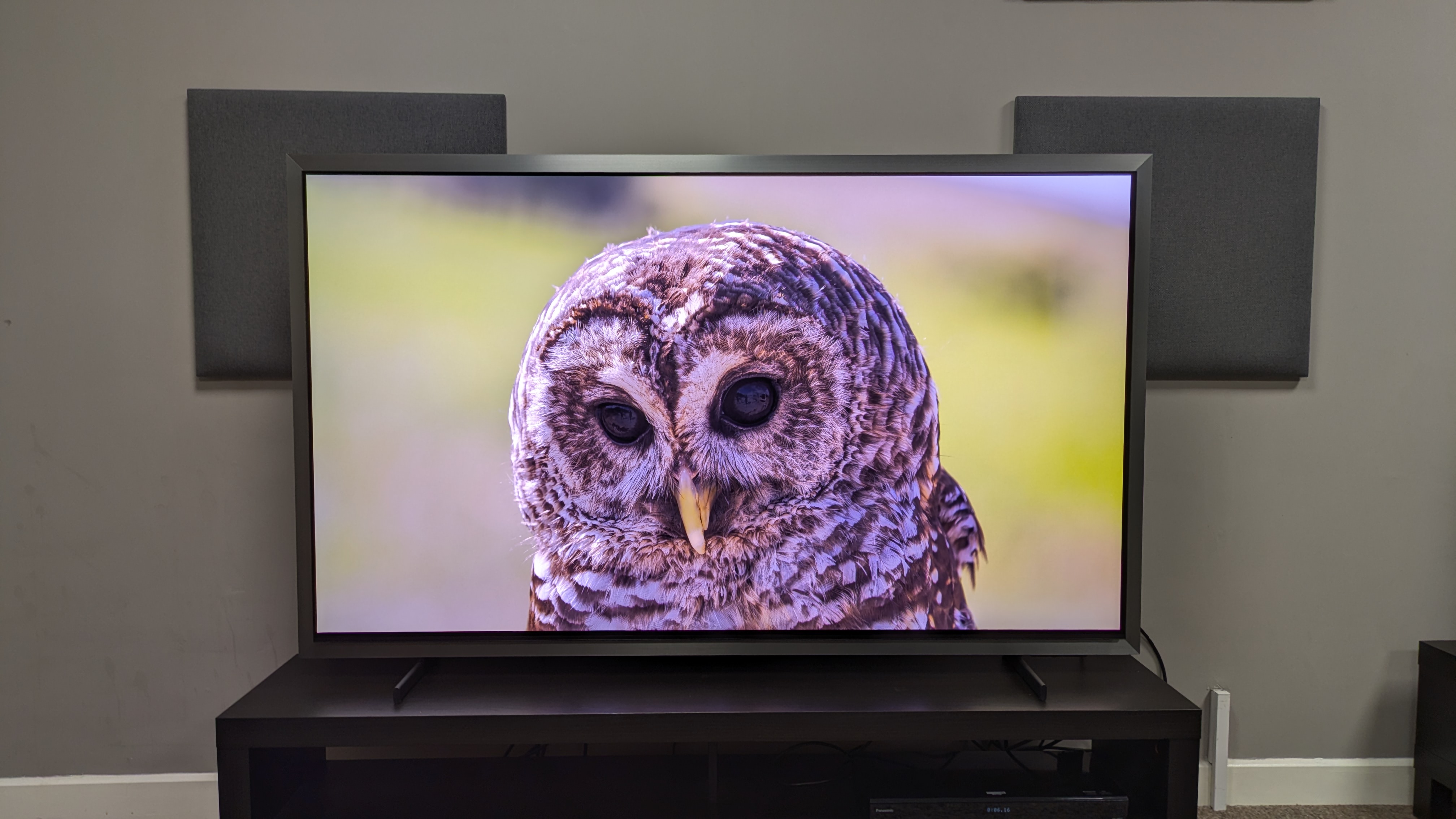
Color reproduction on the S95H is equally stellar, benefiting from the QD-OLED panel’s inherent advantages. Benchmarking revealed an HDR color gamut coverage of 89.2% of the BT.2020 color space and an exceptional 99.97% of the DCI-P3 color space. These outstanding results ensure that the S95H delivers a broad spectrum of rich, accurate, and vibrant colors, making content like the visually flamboyant Speed Racer truly pop on screen. While some minor color nuances, such as certain reds appearing slightly pale or orange when compared side-by-side with competing models like the LG G6, the overall color accuracy and punchiness remain superb in isolation. Furthermore, the TV’s textures are rendered with remarkable crispness and a three-dimensional quality, enhancing the lifelike appearance of skin, clothing, and objects across all content types.
Powering these visual enhancements is Samsung’s NQ4 AI Gen 3 processor, which integrates a suite of advanced AI tools under the "Samsung Vision AI" banner. Features like AI Motion Enhancer Pro and 4K AI Upscaling Pro work to refine motion clarity and elevate lower-resolution content to near-4K detail. While the Auto HDR Remastering Pro tool can boost brightness and sharpen textures, initial assessments suggest it can sometimes result in an artificial appearance, prompting users to prefer standard picture modes for a more natural look. For sports enthusiasts, the AI Soccer Mode Pro aims to optimize both picture and sound for an enhanced viewing experience, offering clearer commentary, sharper details, and smoother motion during fast-paced matches.
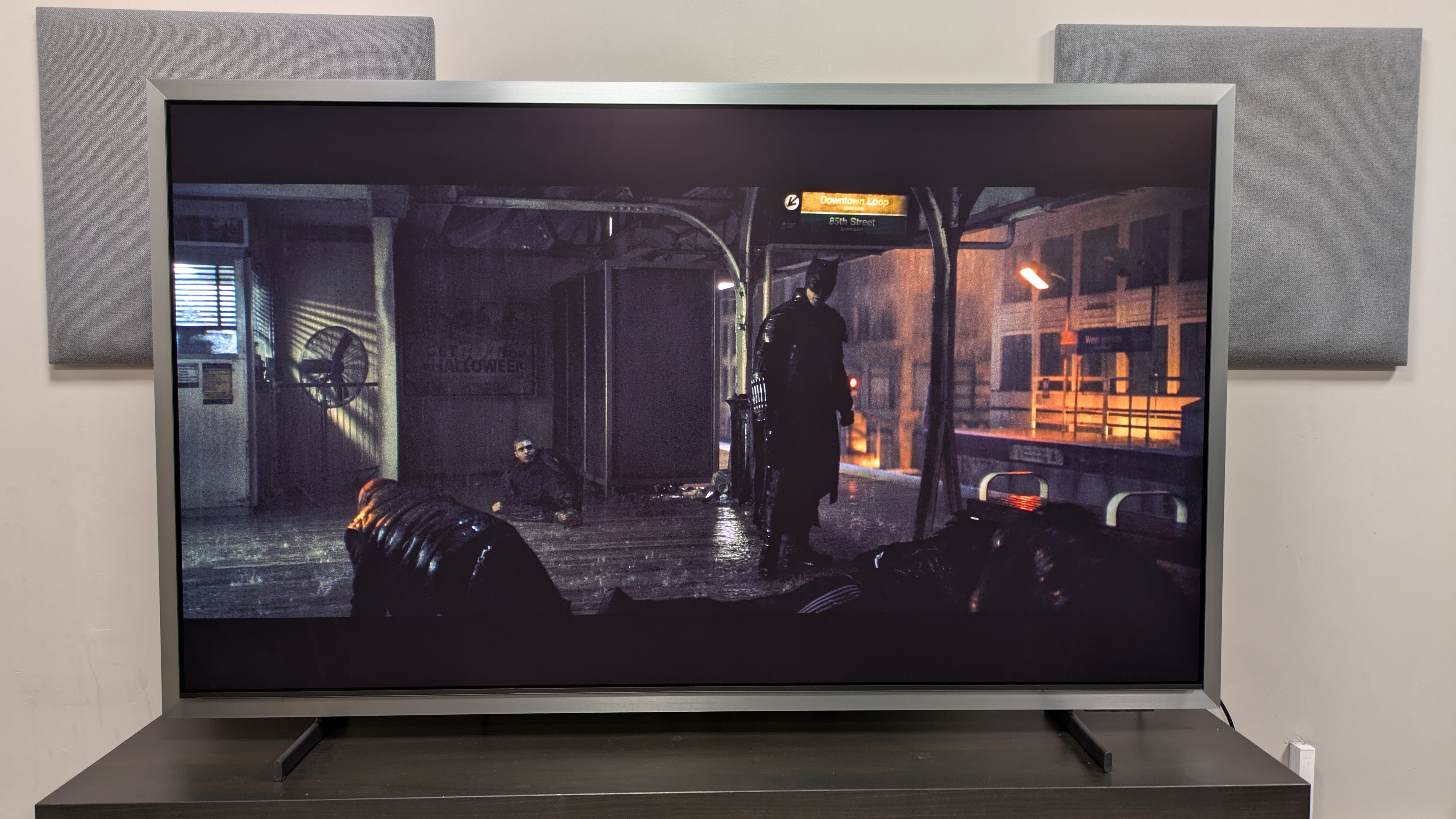
Motion handling on the S95H is generally smooth and natural, crucial for both cinematic sequences and live sports. Optimal settings were found to be ‘3 blur’ and ‘3 judder,’ as higher settings tended to introduce an unnatural, artificial look. Despite a general excellence, minor judder was observed during specific camera pans in demanding content, a common occurrence across many high-end displays. For darker cinematic experiences, picture mode selection proves critical; Filmmaker Mode, while offering cinematic accuracy, can appear too dim in bright environments, making Movie mode a viable alternative. However, in darker rooms, Filmmaker Mode shines, delivering powerful contrast and rich black tones. A minor point of concern noted in testing was occasional "black crush" in Filmmaker Mode during extremely dark scenes, where the TV’s prioritization of deep blacks could obscure subtle shadow detail, an area where some competitors might offer slightly more nuance.

Immersive Audio Experience and AI Sound Enhancements
The Samsung S95H is equipped with a robust built-in 4.2.2-channel, 70W speaker system that supports Dolby Atmos, mirroring the specifications of its predecessor, the S95F. This configuration aims to provide a more immersive audio experience directly from the television. While the TV supports Dolby Atmos, it notably omits support for DTS, a format still prevalent in some physical media collections. Two primary sound modes, Standard and Amplify, are available, complemented by AI Sound tools such as Adaptive Sound Pro and Active Voice Amplifier Pro, designed to dynamically adjust audio output based on content and ambient room conditions.
In practice, the S95H delivers solid overall sound performance. When set to Amplify mode, the TV exhibits commendable bass response and power, faithfully reproducing the rumble of engines and the impact of collisions in action-packed content like Speed Racer. Speech clarity remains strong even amidst chaotic soundscapes, a testament to the system’s precision. Samsung’s Object Tracking Sound+ (OTS+) technology further enhances immersion by accurately placing sound effects to correspond with on-screen action, creating a more dynamic and engaging auditory experience. For instance, the distinct sound of Speed Racer grinding a rail was clean and audible despite other loud ambient effects.
Experimentation with the AI Sound mode revealed that it effectively expands the soundstage, adding volume and presence to more subtle audio cues. However, this enhancement comes with a trade-off: some compression and a slight reduction in overall power were observed, leading some to prefer the default Amplify setting for its more direct and impactful delivery. While the S95H’s integrated speakers are capable, providing a clear and accurate sound profile, they are ultimately contained within the width of the screen. Although Dolby Atmos effects are present, their immersive impact can sometimes be lost in the mix, particularly when compared to dedicated external audio systems. Given the S95H’s elite picture quality, a soundbar or a full home theater system is highly recommended to achieve a truly cinematic audio experience that matches its visual prowess.
Gaming Prowess: A New Benchmark for Console and PC Gamers
For the rapidly expanding demographic of gamers, the Samsung S95H presents an exceptionally compelling proposition, establishing itself as one of the best gaming TVs of 2026. Its comprehensive suite of gaming-centric features ensures a fluid, responsive, and visually stunning experience across both console and PC platforms.
The S95H comes equipped with four full HDMI 2.1 ports, a critical feature for next-generation gaming. These ports support 4K resolution at an impressive refresh rate of up to 165Hz, allowing for ultra-smooth gameplay that takes full advantage of high-end graphics cards and consoles capable of outputting such frame rates. Crucially, the TV offers full Variable Refresh Rate (VRR) support, including AMD FreeSync Premium Pro and Nvidia G-Sync compatibility. This ensures tear-free and stutter-free visuals by synchronizing the display’s refresh rate with the game’s frame rate, providing a significant advantage in fast-paced titles. Additionally, HDR10+ gaming support enhances dynamic range and color in compatible games, while Auto Low Latency Mode (ALLM) automatically switches the TV into its lowest latency game mode when a gaming signal is detected, minimizing input lag without manual intervention.
The S95H’s gaming performance is underscored by its remarkably low input lag, measured at an ultra-low 9.5ms at 4K 60Hz. This figure is crucial for competitive gaming, where even milliseconds can impact responsiveness and player performance. Such low latency ensures that player inputs are translated onto the screen almost instantaneously, providing a direct and connected feel to gameplay. During intense sessions of Battlefield V at 4K 120Hz, the S95H demonstrated seamless motion handling, with no discernible judder or tearing even amidst the most chaotic battlefield scenarios.
Beyond technical specifications, the visual fidelity during gaming on the S95H is outstanding. The TV’s powerful contrast, vibrant colors, and high brightness bring game worlds to life with stunning realism. The relentless African sun in Battlefield V‘s desert missions, for instance, is rendered with blinding intensity, while intricate details in weaponry, character models, and environmental textures are exceptionally crisp and refined. Samsung further enhances the gaming experience with its dedicated Game Hub, a centralized interface where users can access gaming-related content and cloud-based gaming applications such as Xbox and Luna, offering a streamlined pathway to a vast library of titles without the need for a physical console. This holistic approach firmly positions the S95H as an elite choice for discerning gamers.
Design Evolution: A Divisive Shift
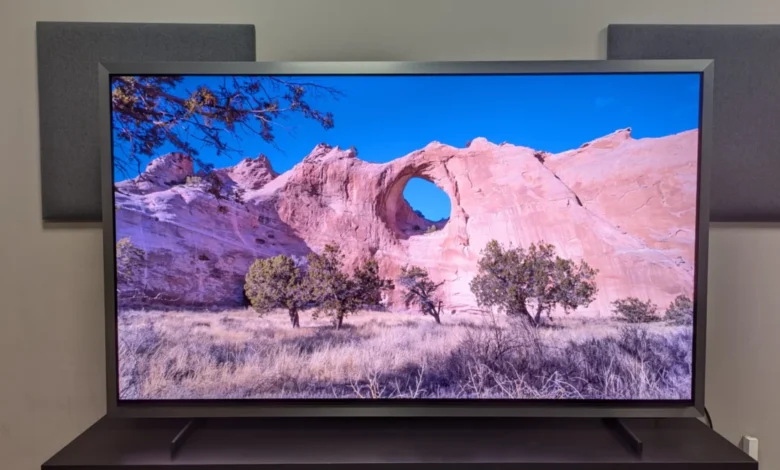
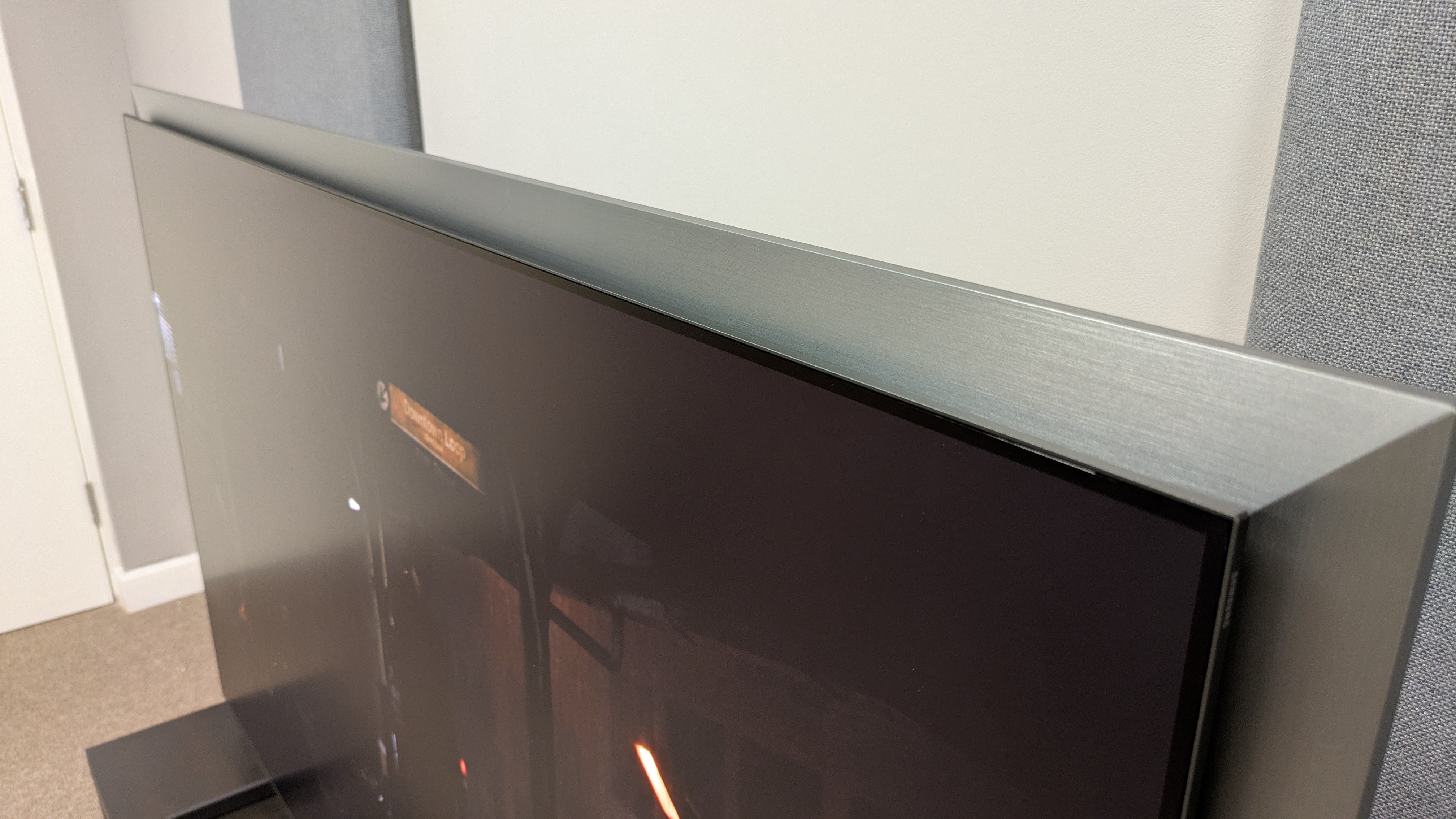
The physical design of the Samsung S95H represents arguably the most significant departure from its predecessor and is likely to be a contentious point for many consumers. The most prominent change is the introduction of what Samsung terms the "FloatLayer Design," a distinctive silver frame that encapsulates the television. This frame is intended to create a floating, three-dimensional aesthetic, but its added width and height could pose practical challenges for placement, particularly for those with specific wall-mounting setups or constrained entertainment centers. Personally, this silver frame proved distracting, especially when viewed from off-center angles, where its presence felt more like an imposition than an enhancement.
Further altering the S95H’s physical presentation is the replacement of the S95F’s elegant central metal pedestal stand with two simpler, plastic gray feet. While these new feet are robust and straightforward to install, the shift to a less premium material and design feels like a downgrade for a flagship television positioned at this price point. Despite these changes, the TV’s bezel remains commendably sleek and ultra-thin, contributing to a high-quality feel that is, however, somewhat undercut by the surrounding frame.
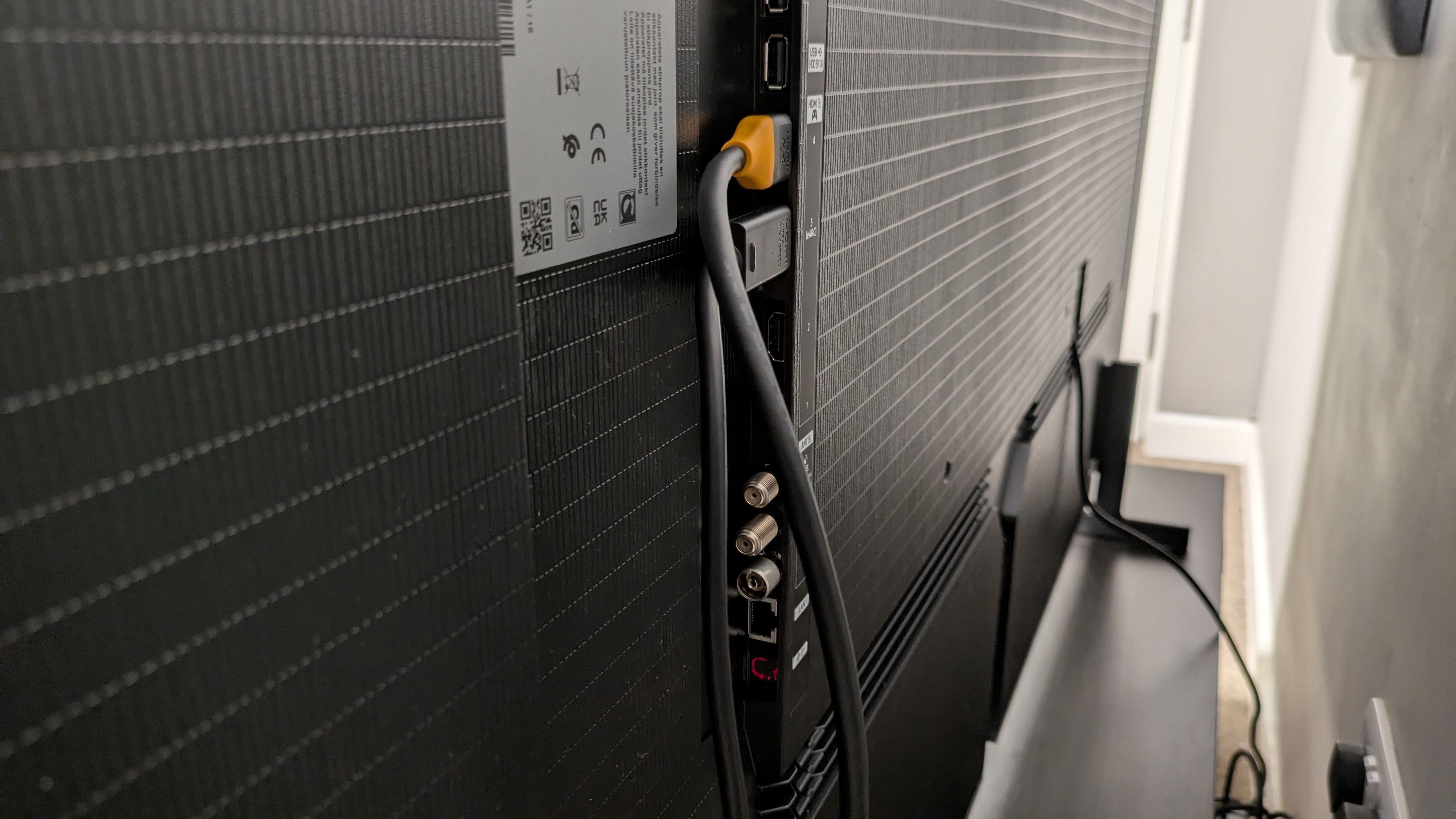
Another notable design decision is the removal of the external One Connect Box, which housed the TV’s various connections and processing components in previous high-end Samsung models. In the S95H, all four HDMI 2.1 ports and other connections have returned to the rear panel of the TV itself. For some users, this simplifies setup and eliminates the need for an extra box. However, for those who appreciated the clean cable management and flexibility offered by the One Connect Box, Samsung provides an optional Wireless One Connect Box. This external unit can be added to the setup, providing an additional four HDMI 2.1 ports, effectively giving users a potential total of eight HDMI 2.1 inputs – an unprecedented level of connectivity for a consumer television, potentially eliminating the need for an AV receiver for many setups.
The S95H continues to feature Samsung’s innovative SolarCell remote. This sleek, lightweight remote, rechargeable via both USB-C and solar power, remains a highlight, offering convenience and environmental consciousness without significant changes from previous iterations. The rationale behind the new "FloatLayer Design" could also be linked to the S95H’s enhanced "Art Mode," which allows the TV to display artworks, mirroring the functionality of Samsung’s ‘The Frame’ series. The frame could be an aesthetic choice to make the TV blend more seamlessly into an art display context, aligning with Samsung’s broader strategy of integrating lifestyle features into its premium televisions.
Smart TV Ecosystem and User Experience
The Samsung S95H operates on the company’s proprietary One UI Tizen smart TV platform, which continues to evolve with a focus on AI integration and user convenience. A headline addition this year is the Samsung Vision AI Companion. This intelligent feature is designed to enhance the viewing experience by suggesting related content based on what’s currently being watched and can answer general questions through its AI capabilities, with Microsoft Copilot integration expanding its utility.
Tizen provides access to a vast array of major streaming applications, including Netflix, Prime Video, Apple TV+, and more, ensuring comprehensive content availability. The platform organizes content and apps into several distinct hubs to improve navigation. The Home hub aggregates streaming apps and offers personalized content recommendations. The Game hub is a dedicated portal for all gaming-related content, including cloud-based gaming services from partners like Xbox and Luna. The Daily hub provides applications for productivity and health, while the Art hub hosts the Art Store, where users can download a selection of artworks to display as screensavers.
The Art Mode is a significant new feature, transforming the S95H into a dynamic art display, much like Samsung’s popular ‘The Frame’ TVs. This functionality, while impressive, typically requires a monthly subscription for full access to the extensive library of artworks. This move suggests a strategic intent to broaden the appeal of flagship TVs beyond pure entertainment, positioning them as versatile lifestyle devices that blend into home decor.
While Tizen is generally intuitive and offers smooth performance, enhancing user interaction, it does present some minor frustrations. The platform often features a dedicated space at the top of the home screen for banner advertisements, a common yet sometimes intrusive element across modern smart TV interfaces. A more persistent annoyance noted during testing was the auto-playing of Samsung TV Plus content whenever the user lingered on the home screen. This behavior overrides current activities and, without an obvious option to disable it, can disrupt the user experience. Furthermore, despite its advanced features, the S95H’s built-in tuner only supports ATSC 1.0, rather than the newer, more capable ATSC 3.0 standard, which might be a drawback for users in regions where next-generation broadcast TV is becoming more prevalent. Overall, while Tizen is a solid smart TV platform with robust AI capabilities, these minor quirks prevent it from fully matching the seamless experience offered by competitors like LG’s webOS.
Market Positioning and Value Proposition
As Samsung’s flagship OLED TV for 2026, the S95H naturally commands a premium price tag. The 65-inch model, the subject of this review, launched at $3,299 / AU$5,299. In the weeks following its release, prices have largely held steady, though some reductions have already been observed in Australia, particularly for larger sizes, with up to AU$1,500 off the 83-inch model. This pricing places the S95H in direct competition with other high-end OLED offerings in the market.
Its primary rival, the LG G6, is similarly priced, with its 65-inch variant costing $3,299 / AU$4,999. The choice between the S95H and the G6 often boils down to specific user preferences: the S95H excels in outright reflection reduction and crisper textures, while the G6 might offer slightly better black levels in bright rooms and supports Dolby Vision HDR. Another strong contender is Sony’s flagship QD-OLED, the Bravia 8 II, which, at $2,999 / AU$4,999 for the 65-inch, offers outstanding colors and a fuller built-in sound but sacrifices some brightness and gaming features compared to the S95H.
For consumers prioritizing value, the S95H’s predecessor, the Samsung S95F, remains a compelling option. Available for approximately $2,499 (though stock is dwindling in some regions like Australia), the S95F offers many of the same core features and similar performance in a more conventional design, making it an excellent deal while supplies last. However, the S95H does represent a tangible upgrade in peak brightness and improved black-level handling, justifying its higher price for those seeking the absolute latest in OLED technology. As the S95F inevitably phases out, the S95H’s price is anticipated to become more aggressive, solidifying its position as a worthy successor and a strong value proposition within the premium segment. The current competitive pricing across the flagship OLED market indicates that consumers are increasingly faced with a nuanced choice, where subtle differences in features, design philosophy, and HDR format support dictate purchasing decisions.
Conclusion
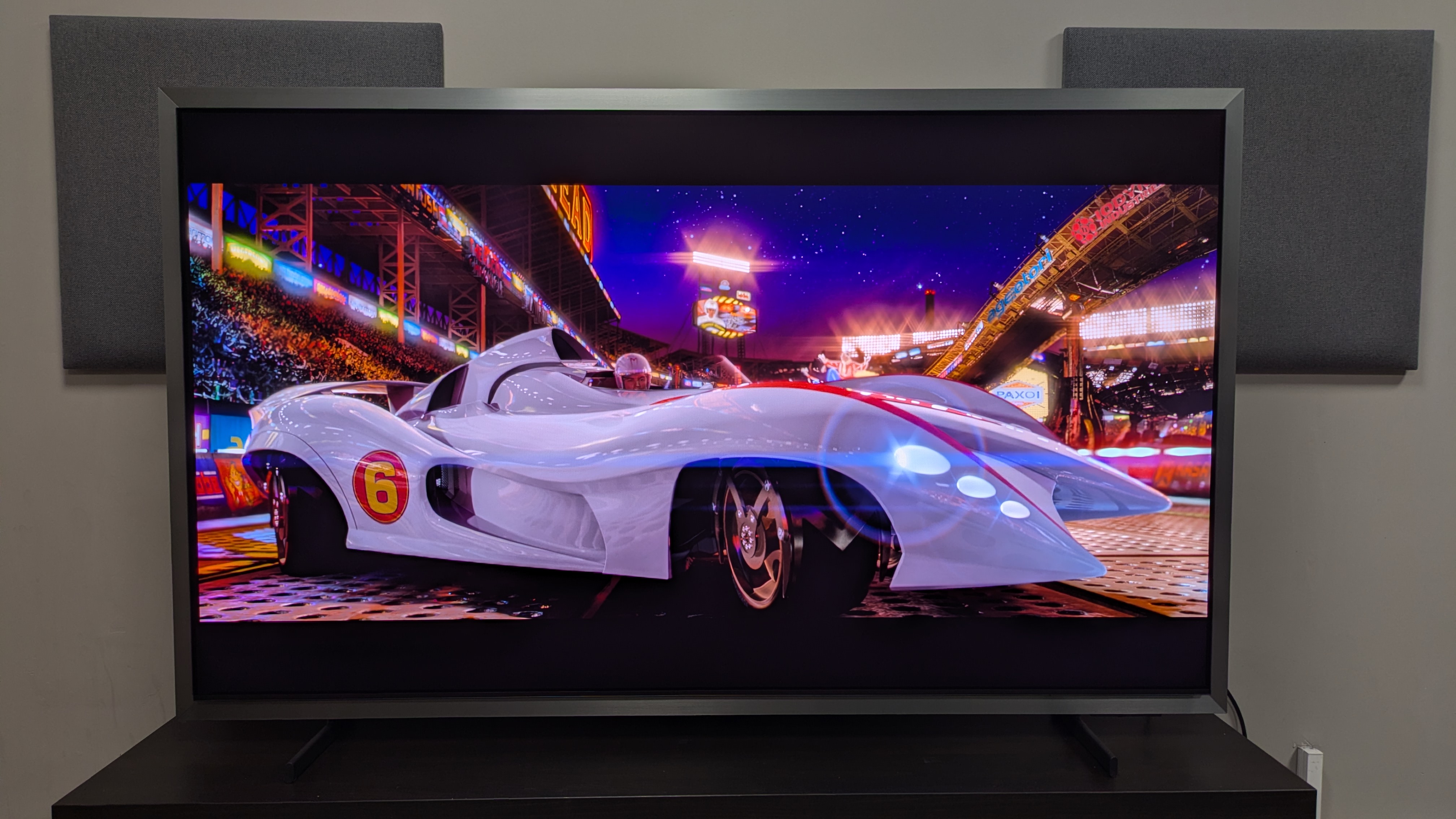
The Samsung S95H stands as a formidable entry in the 2026 premium OLED TV market, delivering a breathtaking visual experience that redefines expectations for brightness and color vibrancy in an OLED panel. Its QD-OLED technology, coupled with the advanced NQ4 AI Gen 3 processor, ensures a picture that is not only exceptionally bright and colorful but also rich in contrast and detail, making it an outstanding choice for diverse content, from cinematic masterpieces to fast-paced sports. The "OLED Glare Free" screen further enhances its appeal, making it particularly well-suited for viewing in bright environments where reflections are a constant concern.
Gaming performance is where the S95H truly excels, offering a comprehensive suite of HDMI 2.1 features, ultra-low input lag, and vibrant visuals that cater to the most demanding gamers. The integration of the Tizen smart TV platform, enhanced by Samsung Vision AI, provides a feature-rich and intuitive user experience, despite minor quirks like the auto-playing Samsung TV Plus.
However, the S95H is not without its controversial elements. The new "FloatLayer Design" with its silver frame and the switch to plastic feet for the stand are significant aesthetic and practical changes that will undoubtedly divide opinion. While Samsung’s commitment to its HDR10+ ecosystem remains firm, the continued absence of Dolby Vision HDR support might deter some prospective buyers. Furthermore, while the built-in sound system is robust and capable, a television of this visual caliber ultimately warrants a dedicated external audio solution for a truly immersive cinematic experience.
In essence, the Samsung S95H is an elite-tier OLED TV that pushes the boundaries of display technology. Its strengths in picture quality and gaming are undeniable, positioning it as a top contender for those seeking the best. While its design choices require consideration, and its premium price tag places it firmly in the high-end category, the S95H offers a compelling package of features and performance that largely justifies its flagship status, making it an outstanding choice for consumers prioritizing cutting-edge visual fidelity and a superior gaming experience.