The smart home industry is currently navigating a period of profound transition, marked by executive departures at tech giants, the maturation of foundational platforms, and a complex push toward cross-protocol interoperability. As Amazon prepares to celebrate the 10th anniversary of the Echo and its virtual assistant, Alexa, the ecosystem faces an identity crisis: after a decade of integration, the question remains whether the smart home has evolved into a seamless utility or remains a collection of disparate, often expensive, gadgets.
Executive Turnover and the Amazon Shift
The impending retirement of David Limp, Amazon’s Senior Vice President of Devices and Services, serves as a significant bellwether for the company’s hardware division. Limp has been the primary architect behind the rise of the Echo lineup and the broader Alexa ecosystem. His departure is part of a wider trend of high-level exits across the tech sector, leaving analysts to speculate on the future strategic direction of Amazon’s smart home ambitions.
The context of this transition is critical. In the early years, Amazon prioritized rapid adoption through aggressive pricing and low-margin hardware. As the platform enters its second decade, the focus has shifted toward profitability and the challenge of sustaining user engagement. With the voice-assistant market reaching a saturation point in many households, the challenge for the next generation of leadership will be to move beyond simple voice commands and toward a more proactive, context-aware smart environment.
The Paradox of Consumer Hardware
The current state of the smart home is best illustrated by the market’s struggle to balance utility with accessibility. Two recent product launches highlight this divide: the Mill composting system and the Masonite M-Pwr smart door.
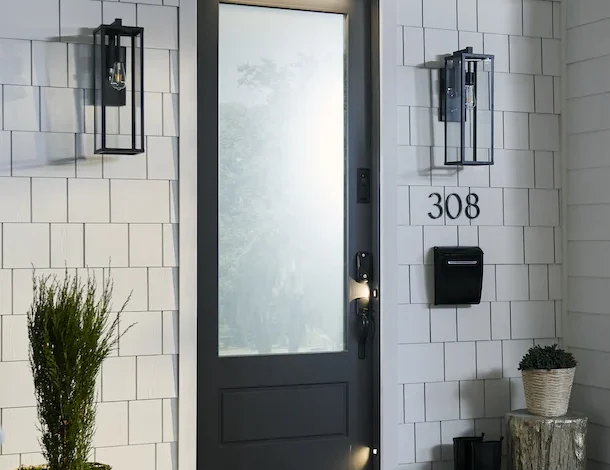
The Mill composting system, spearheaded by Nest co-founder Matt Rodgers, represents a high-end approach to home sustainability. While technologically impressive, it raises questions about whether smart home innovation is becoming increasingly niche, catering to a premium demographic rather than solving universal household pain points. Similarly, the introduction of the Masonite smart door at Home Depot—a high-tech entry point that integrates power and connectivity—demonstrates the industry’s push toward “built-in” intelligence. However, the high price tag associated with these innovations underscores a lingering barrier to entry: the “smart” tax that continues to distance the average consumer from fully automated home living.
Regulatory Intervention and Cybersecurity
Amidst this hardware proliferation, the regulatory landscape is finally catching up. The Federal Communications Commission (FCC) has recently unveiled a Notice of Proposed Rule Making (NPRM) for a cybersecurity labeling program specifically tailored for IoT devices. This initiative mirrors the “Energy Star” rating system, providing consumers with a clear, standardized mark indicating that a device meets federal security benchmarks.
The implications for manufacturers are significant. Currently, the market is fragmented by varying levels of security implementation. A centralized, government-backed label could force a standardization of firmware updates, encryption protocols, and data privacy practices. The industry has been given a 30-day window to comment on these proposals, a period that will likely see intense lobbying from both consumer advocacy groups and device manufacturers concerned about the potential compliance costs.
Industrial Vulnerabilities and Infrastructure
While residential smart homes capture the headlines, the underlying protocols and industrial systems face more acute threats. Recent findings by Microsoft researchers have identified critical vulnerabilities in industrial equipment—specifically in software utilized by power plants and manufacturing facilities. These vulnerabilities, if exploited, could theoretically lead to the disruption of essential services.

This discovery highlights the fragility of the interconnected world. As more industrial operational technology (OT) is bridged to the internet to facilitate remote monitoring and data collection, the attack surface expands. The integration of legacy hardware with modern, web-connected protocols remains one of the most significant security challenges facing critical infrastructure today.
The Evolution of Connectivity: Z-Wave and Matter
At the center of the debate over smart home stability is the struggle for protocol dominance. Z-Wave, a long-standing wireless protocol known for its reliability and mesh networking capabilities, is receiving a strategic boost. The entry of new providers for Z-Wave chips is expected to increase supply chain resilience and lower costs for manufacturers.
Mariusz Malkowski, founder and CTO of Trident IoT, has emphasized the importance of bridging the gap between Z-Wave and the emerging Matter standard. Matter, which promises a universal language for smart devices, is not necessarily a replacement for established protocols but rather a layer that allows them to communicate. Trident IoT’s role as a certification house and chip developer is expected to simplify the integration process, allowing legacy Z-Wave devices to coexist within the modern Matter-enabled landscape.
The future of Z-Wave, particularly with the rollout of Z-Wave Long Range (LR) and enhanced security protocols, suggests that there is still significant value in specialized networking standards. As Matter focuses on interoperability at the application layer, protocols like Z-Wave will continue to serve as the backbone for low-power, robust communication within the home.
Practical Realities: Hubs and Local Control
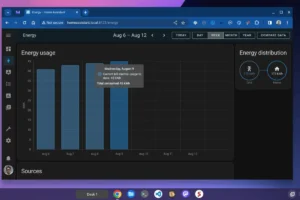
For the end user, the fragmentation of the smart home is often mitigated by the use of a hub. Recent reviews of devices like the Homey Pro highlight a growing consumer preference for local control over cloud-dependent systems. The Homey Pro, while carrying a premium price, offers a solution to the common frustration of smart home failure during internet outages. By processing logic locally, these hubs ensure that basic functions—like lighting and security—remain operational regardless of external connectivity.
This trend toward local control is a direct response to the reliability issues that have plagued the industry since the inception of the Echo. As consumers become more sophisticated, they are increasingly demanding systems that do not rely on a constant handshake with a remote server, signaling a maturation of the market toward stability and privacy.
Implications and Future Outlook
The smart home industry is currently at a crossroads. The next five years will likely be defined by three key developments:
- Standardization: The widespread adoption of Matter will reduce the “walled garden” effect, allowing devices from different manufacturers to communicate natively.
- Security Mandates: With the FCC moving toward labeling requirements, manufacturers will face increased pressure to treat cybersecurity as a core component of the product lifecycle rather than an afterthought.
- Industrial Hardening: As the line between consumer IoT and industrial infrastructure blurs, cybersecurity protocols will be forced to evolve, prioritizing resilience against sophisticated digital threats.
The transition of leadership at companies like Amazon, combined with the emergence of specialized infrastructure players like Trident IoT, indicates that the smart home is evolving from a novelty into a foundational layer of modern life. While the path forward is complicated by competing standards and security risks, the underlying momentum suggests a move toward a more integrated, secure, and user-centric experience.
As the industry approaches the 10th anniversary of the Amazon Echo, the focus has shifted from the “wow factor” of voice control to the more difficult task of building a reliable, secure, and truly interoperable smart home. Whether this can be achieved without further consolidating power in the hands of a few dominant platforms remains the central question for the next decade of development. The next 30 days of public comment on the FCC’s cybersecurity labels will be a vital first step in determining how the federal government chooses to shape this digital landscape for years to come.