Samsung Galaxy S26 Series Arrives in Certified Re-Newed Program With Discounts Approaching $200

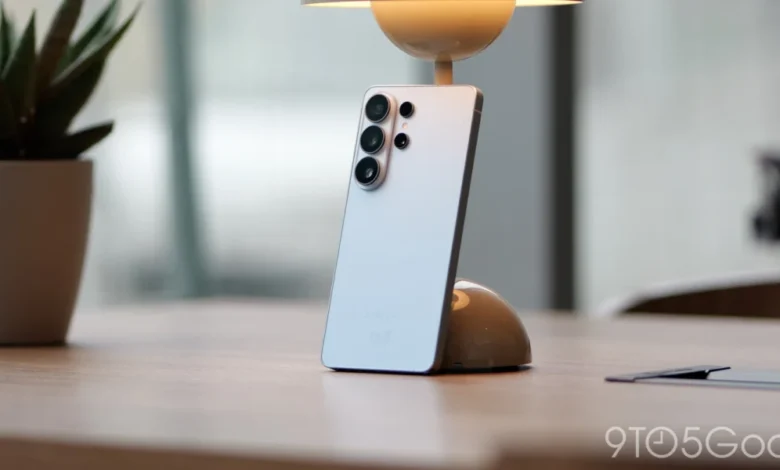
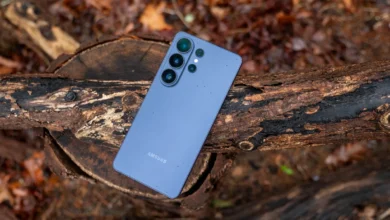
Samsung Electronics has officially expanded its “Certified Re-Newed” program to include its flagship Galaxy S26 smartphone lineup, offering consumers an opportunity to purchase the company’s premier mobile devices at a notable discount. Announced via the company’s official channels, the newly added inventory provides buyers with savings of roughly $200 compared to the standard retail prices of brand-new units. This move aligns with Samsung’s broader sustainability and market-penetration strategies, giving budget-conscious consumers access to high-end mobile technology backed by direct manufacturer guarantees.
The introduction of the Galaxy S26 series into the refurbished ecosystem comes at a time of shifting economic dynamics within the consumer electronics sector. By servicing these devices directly—incorporating brand-new internal components and fresh batteries—Samsung aims to alleviate consumer hesitation surrounding pre-owned technology while bolstering its circular economy initiatives.
Understanding the Certified Re-Newed Process
The Samsung Certified Re-Newed program differs significantly from standard third-party refurbished marketplaces. When a device enters this pipeline, it undergoes a rigorous multi-point inspection and restoration process conducted directly by Samsung technicians. Crucially, every phone that passes through this program receives brand-new exterior housing, genuine replacement parts where necessary, and a brand-new battery. This ensures that the hardware performance, battery health, and aesthetic condition closely mirror that of a newly manufactured device.
Furthermore, these devices are packaged with official accessories and come backed by a standard one-year manufacturer warranty, providing buyers with the same level of consumer protection afforded to purchasers of brand-new hardware. By taking the refurbishment process in-house, Samsung exercises strict quality control, mitigating the reputation risks often associated with second-hand electronics markets.
Pricing Structure and Lineup Availability
Under the newly updated pricing tiers, the Galaxy S26 and Galaxy S26 Ultra are now available for purchase exclusively through Samsung’s official website. While the base models and the ultra-tier variants are fully stocked across all color options, the intermediate Galaxy S26+ has been notably absent from the initial rollout, leaving prospective buyers of that specific model waiting for future inventory updates.
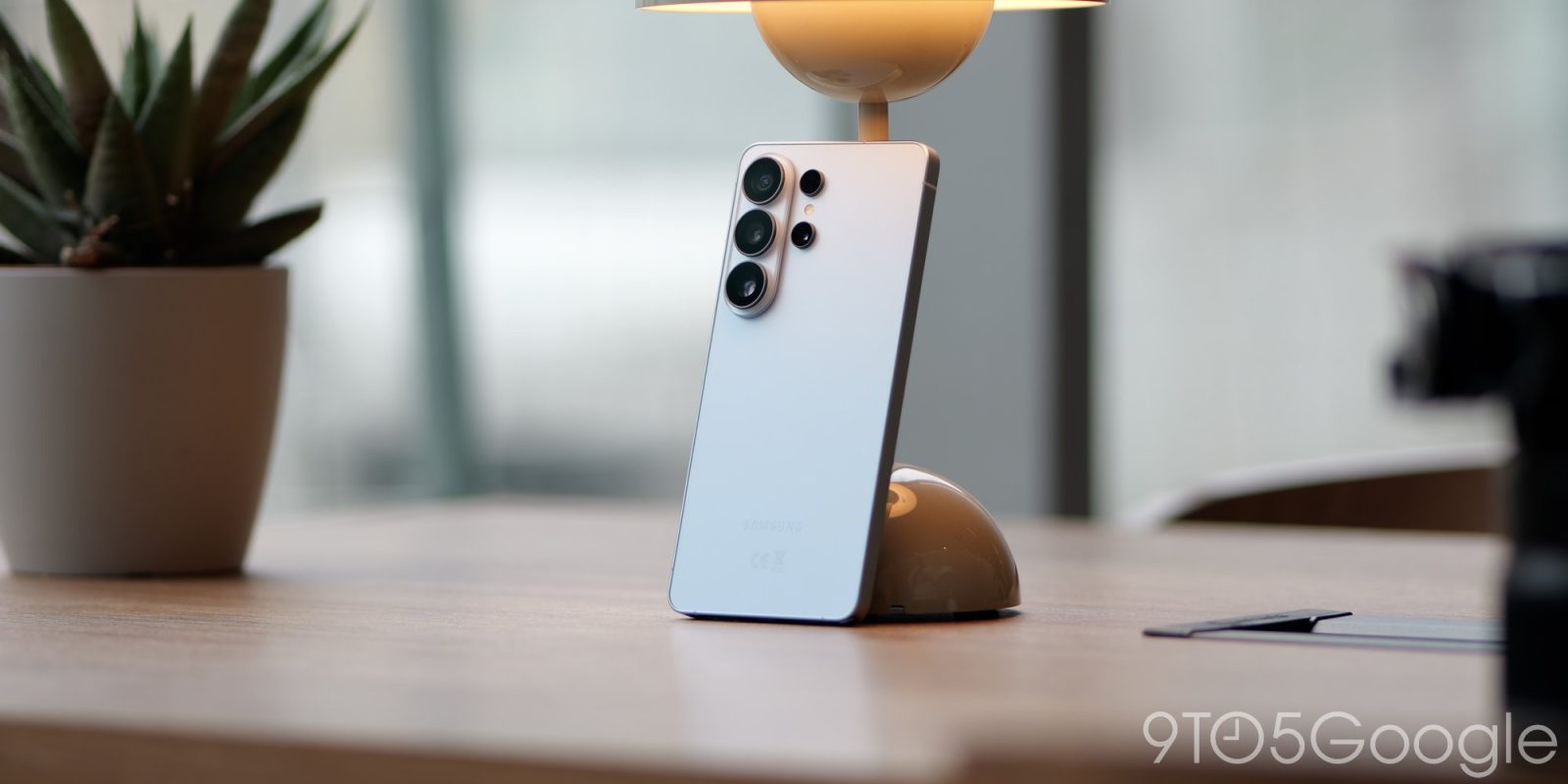
For context, brand-new models in the Galaxy S26 lineup launch at standard base prices of $899, $1,099, and $1,299 respectively, depending on the configuration and tier. The inclusion of the S26 Ultra in the Certified Re-Newed storefront has been highlighted by industry analysts as the most compelling value proposition within the current batch, given the high retention of its flagship features at a significantly reduced entry barrier.
In addition to the newly added S26 hardware, Samsung continues to maintain availability for older generations within the Re-Newed ecosystem. Consumers can still acquire refurbished models from the Galaxy S23 and S25 series, with prices starting at $439. Additionally, Samsung’s foldable device category remains represented, with certified pre-owned Galaxy Z-series foldables starting at $649.
Chronology of the Galaxy S26 Lifecycle and Market Positioning
To understand the strategic significance of bringing the Galaxy S26 into the Re-Newed program, it is essential to examine the product’s timeline and the broader retail landscape.
The Galaxy S26 series originally debuted to high expectations, heralded for its advancements in mobile artificial intelligence, camera capabilities, and processing efficiency. However, the smartphone industry has faced persistent macroeconomic pressures, including rising component costs and inflationary impacts on consumer spending. As manufacturers grapple with these variables, pricing strategies have grown increasingly complex.
Market observers have noted whispers within supply chain networks indicating that Samsung may implement broader price adjustments or structural increases across its flagship Galaxy S26 portfolio as early as October. If these anticipated pricing shifts materialize, the availability of Certified Re-Newed alternatives may serve as a crucial buffer for consumers seeking access to high-tier hardware without absorbing impending retail price hikes. By introducing discounted, factory-refurbished units months ahead of potential market cost escalations, Samsung provides an alternative entry point for value-driven buyers.
Industry Analysis and Strategic Implications
The expansion of Samsung’s refurbished portfolio reflects a broader paradigm shift in the global smartphone market. As hardware lifecycles lengthen and the pace of revolutionary year-over-year consumer upgrades slows, major manufacturers are placing greater emphasis on trade-in programs, device longevity, and secondary markets.

From an economic perspective, capturing consumers who would otherwise opt for third-party refurbished devices or budget-tier alternatives allows Samsung to retain users within its proprietary ecosystem. Every customer who purchases a Certified Re-Newed Galaxy S26 remains tied to Samsung’s software environment, Galaxy AI services, and accessory ecosystem, contributing to long-term service and digital revenue streams.
From an environmental standpoint, initiatives like the Re-Newed program play a pivotal role in reducing electronic waste and lowering the carbon footprint associated with manufacturing new semiconductors and device chassis. By utilizing existing hardware frameworks, replacing only depleted components such as batteries, and extending the active operational lifespan of premium materials, Samsung aligns with tightening global sustainability standards and corporate responsibility frameworks.
Consumer Response and Purchasing Logistics
Initial consumer response to the integration of the Galaxy S26 series into the Re-Newed lineup has been largely positive, particularly among tech enthusiasts monitoring the price-to-performance ratio of ultra-tier devices. Analysts point out that acquiring an S26 Ultra through official channels with a fresh battery and a one-year warranty mitigates the traditional risks of purchasing second-hand technology from peer-to-peer marketplaces.
However, exclusivity remains a defining characteristic of the rollout. By restricting these purchases to Samsung.com, the company retains tight control over inventory distribution and pricing margins, bypassing third-party retail markups. This direct-to-consumer model also allows Samsung to gauge real-time demand for refurbished flagship hardware, providing valuable data that can inform future manufacturing and trade-in valuations.
Looking ahead, market analysts will be closely monitoring whether Samsung expands the Certified Re-Newed program to include the missing Galaxy S26+ model and how the potential October price adjustments for brand-new inventory impact the demand for these refurbished alternatives. As the consumer electronics landscape continues to navigate cost pressures and sustainability mandates, factory-certified secondary markets are poised to occupy an increasingly vital role in maintaining steady sales volumes and consumer accessibility.