Garmin unveils major software update bringing fall detection and adaptive AI coaching to its latest smartwatch lineup

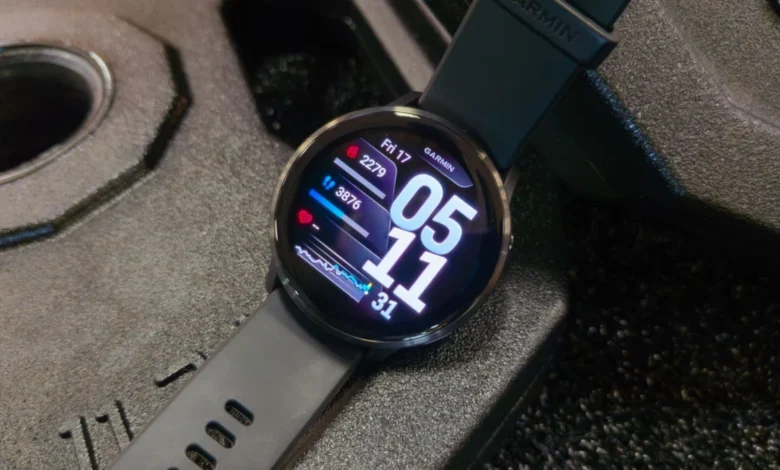
Garmin has officially initiated a comprehensive software rollout across its premier smartwatch and cycling computer portfolios, signaling a significant evolution in how the company leverages sensor data for user safety and athletic performance. The update, which is currently propagating to devices including the Fenix 8 series, Forerunner 570, Forerunner 970, Venu 6, and Vivoactive 6, introduces sophisticated new tools that aim to bridge the gap between amateur fitness tracking and professional-grade performance monitoring. By integrating features previously reserved for niche medical or high-end endurance devices—such as automated incident detection and adaptive algorithmic coaching—Garmin is reinforcing its position in an increasingly competitive wearables market.
A New Standard for Safety: Fall Detection Integration
The most notable addition in this firmware cycle is the implementation of fall detection on the Venu 6. This safety feature marks a departure from standard activity tracking, moving the device into the realm of personal safety equipment. When the onboard accelerometer and gyroscope detect a sudden, violent deceleration consistent with a hard fall, the watch is programmed to automatically trigger an emergency notification. This system leverages the device’s GNSS capabilities to transmit the user’s real-time geographic coordinates to designated emergency contacts via a paired smartphone.
While this technology has been a cornerstone of the Apple Watch ecosystem and various Wear OS-powered devices for several years, its arrival on the Venu 6 is a strategic move for Garmin. Historically, the Venu series has been positioned as a lifestyle-focused, daily-wear device. By incorporating advanced safety protocols, Garmin is signaling that it no longer categorizes "safety" as a feature exclusive to its rugged, outdoor-focused Fenix or Enduro lines. Industry analysts note that this shift reflects broader consumer demand for high-end safety features across all price tiers within the premium wearable sector.
Voice Control and Hands-Free Interaction
Beyond safety, the update introduces "OK Garmin" voice-activated commands. This hands-free interface allows users to execute specific tasks—such as initiating a workout, checking battery status, or toggling device settings—without physical interaction with the watch’s bezel or touchscreen.
The implementation of voice control is particularly significant for athletes in high-intensity training environments, such as cyclists or distance runners, where steady hand placement is required for stability. By minimizing the need to manipulate small hardware buttons or swiping on sweat-slicked screens, Garmin is reducing friction in the user experience. The introduction of this command structure suggests an underlying upgrade to the device’s processing efficiency, as the watch must now maintain a low-power, "always-listening" state for the trigger phrase without significantly compromising the battery life that remains the brand’s primary competitive advantage.
Advancements in Performance Monitoring: Adaptive Run Coaching
For the endurance athlete, the update brings a sophisticated evolution to Garmin’s training ecosystem: the Adaptive Garmin Run Coach. Unlike static training plans that remain fixed regardless of a user’s daily performance, the new adaptive model utilizes real-time biometric data to modify workout intensity.
The system assesses metrics such as "acute impact load," "recovery time," and "aerobic base" to dynamically adjust the upcoming week’s training volume. If an athlete reports a poor night’s sleep or demonstrates a high heart-rate variability (HRV) reading, the coach can suggest a recovery-focused session rather than an intensive interval workout. This data-driven approach is designed to prevent overtraining syndrome—a common pitfall for amateur runners—while ensuring that the training stimulus is sufficient to induce physiological adaptation.
This feature is supported by an updated dashboard that visualizes "tolerance," "acute impact," and "actual miles," providing users with a clearer window into the physiological stress their bodies are under. By integrating these metrics, Garmin is essentially automating the role of a human running coach, providing actionable insights that would otherwise require manual data synthesis.
Cycling Ecosystem Enhancements
Garmin has not limited its focus to the wrist. The company’s Edge series of cycling computers is also receiving a firmware update, most notably featuring automatic climb and descent detection. These devices can now autonomously identify changes in terrain gradient and shift the display to show relevant climbing or descending metrics, such as vertical ascent rates, current gradient percentage, and remaining climb distance.
This automation is intended to keep the cyclist’s focus on the road rather than the screen. For long-distance riders navigating changing landscapes, this feature ensures that the most critical data is always visible at the precise moment it is required. This integration follows a string of recent updates designed to make Garmin’s cycling computers more "context-aware," moving them away from static data recorders toward intelligent cycling partners.
Industry Context and Timeline
The rollout, which began in the current quarter, is being distributed via the Garmin Connect platform. Garmin’s update strategy relies on a tiered release, where the software is pushed to devices over several days to ensure stability and monitor for unforeseen performance regressions. Users are encouraged to sync their devices with the Garmin Connect app to initiate the installation process.
Historically, Garmin has maintained a reputation for longevity, often supporting devices with software updates for years after their initial release. This current update cycle is an extension of that philosophy. However, the complexity of the new features—particularly the adaptive AI coaching and voice recognition—suggests that the company is leaning more heavily on the processing power of its newer hardware iterations.
Strategic Implications and Market Analysis
From a market perspective, these updates serve two primary functions. First, they provide a compelling reason for existing users to remain within the Garmin ecosystem. In an era where hardware cycles are slowing, software value-adds have become the primary vehicle for customer retention. By continuously adding high-value features like fall detection and adaptive training, Garmin mitigates the risk of users switching to platforms like Apple Fitness+ or Google/Fitbit’s subscription-based training services.
Second, the updates position Garmin as a data-first technology company rather than a pure hardware manufacturer. By refining how the device "thinks" about the user’s health and training status, Garmin is effectively increasing the "switching cost" for users. Once an athlete’s training history is deeply integrated into the Garmin Connect platform—with years of personalized metrics and adapted plans—the incentive to migrate to another platform diminishes significantly.
Conclusion and Future Outlook
The addition of fall detection, hands-free voice control, and adaptive run coaching represents a significant leap in the capability of the Fenix, Forerunner, Venu, and Vivoactive lines. While these features are undoubtedly beneficial to the end-user, they also represent a maturation of the wearable industry. As sensors become more accurate and processors more efficient, the focus is shifting from simply tracking activity to actively managing health and performance.
As the update continues to roll out globally, the tech community will be watching to see how these features perform under real-world conditions. For the average user, the promise is simple: a watch that is safer, easier to use, and more responsive to their personal fitness goals. For Garmin, it is an essential step in maintaining its leadership in a market that increasingly values software-driven intelligence over raw hardware specifications. Users who have not yet received a notification for the update are encouraged to check the Garmin Connect mobile app periodically over the coming week, as the phased rollout reaches full global distribution.