Googlebook Detachables Confirmed as the Next Form Factor Following Clamshells and Convertibles

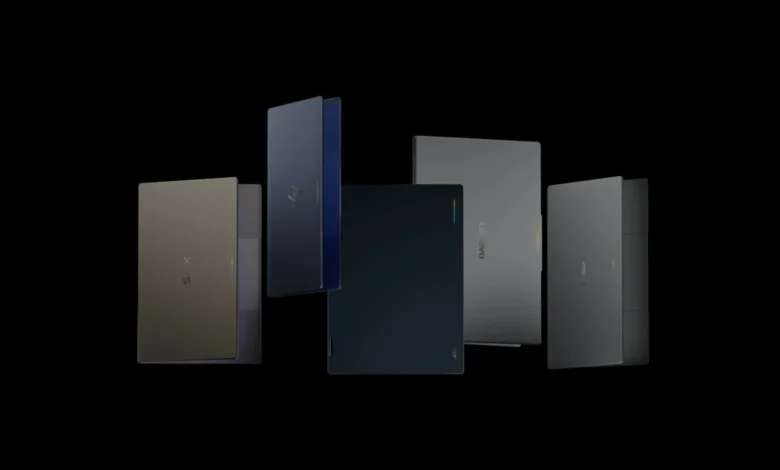
The computing landscape is undergoing a significant structural shift as hardware manufacturers and operating system developers re-evaluate the boundaries between mobile devices and traditional desktop computers. During the Android Dev Summit 2026, technology giant Google officially confirmed that its growing ecosystem of Googlebook devices will soon expand beyond traditional clamshell laptops and convertible 2-in-1s to embrace dedicated detachable form factors. This announcement, delivered during the event’s prominent developer keynote, formalizes months of industry speculation and previous supply chain leaks, signaling a major evolution in Google’s hardware strategy for large-screen portable computing.
The confirmation comes at a crucial juncture for the platform, which has steadily gained traction among developers, enterprise users, and consumers alike. While the initial wave of Googlebook hardware heavily favored standard laptop designs, the roadmap outlined by Google executives demonstrates an aggressive ambition to capture multiple use cases within a single, cohesive software architecture. As the market responds to these developments, industry analysts are closely monitoring how the introduction of detachable hardware will influence the broader ecosystem of mobile and desktop operating systems.
Main Facts and the Android Dev Summit 2026 Reveal
The official confirmation regarding Googlebook detachables was made during the Android Dev Summit 2026, an annual gathering that brings together software engineers, designers, and platform architects from around the globe. During the Wednesday developer keynote session, Google representatives took to the stage to detail the trajectory of the Googlebook platform. Executives explicitly highlighted that the architecture is engineered to scale seamlessly across an array of large-screen form factors, beginning with clamshells, extending through convertibles, and soon incorporating dedicated detachables.
This disclosure aligns closely with persistent industry leaks that surfaced earlier in the year, which had already pointed toward hardware configurations featuring removable keyboards and integrated kickstands. At present, the hardware lineup is predominantly populated by clamshell devices, reflecting a conservative initial rollout aimed at establishing stability in the traditional laptop sector. The solitary exception in the initial launch phase is the Acer Googlebook 14, priced at $899, which utilizes a versatile 2-in-1 convertible design allowing users to transition fluidly between standard laptop, tent, and tablet orientations.

However, day-one operational limitations observed in current hardware iterations indicate that engineering a seamless detachable experience requires further software optimization. While individual full-screen applications are capable of operating correctly in portrait tablet mode, foundational elements of the user interface—such as the Googlebook OS desktop environment, the Overview screen, and the primary application tray—remain restricted to landscape orientation. Google’s acknowledgment of detachables as the next logical step implies that upcoming software updates will address these orientation constraints to support untethered tablet usage more effectively.
Chronology and Industry Leaks Leading to the Announcement
The path toward Googlebook detachables has been marked by a steady stream of hardware leaks and platform developments over the past year. Understanding the chronology of these events provides critical context for how Google is executing its long-term hardware strategy.
In July 2026, supply chain reports and regulatory filings began indicating that Lenovo was actively developing the first dedicated Googlebook detachable device. According to those leaked specifications, the upcoming hardware centers on a slate-style tablet design accompanied by a proprietary detachable keyboard and a built-in kickstand, mirroring the productivity-focused architecture popularized by modern Windows and iPadOS devices. Furthermore, the leaked documentation revealed unique hardware additions, including a specialized "Glowbar" positioned adjacent to the camera module, suggesting an emphasis on enhanced video conferencing or notification features.
This hardware leak did not arrive in isolation; it was accompanied by indications of a broader hardware diversification effort, including plans for more compact laptop models designed to challenge smaller ultraportables currently dominating the market. By the time the Android Dev Summit commenced in late October 2026, the tech community anticipated an official roadmap update. Google’s keynote presentation validated the earlier leaks, transforming unverified supply chain rumors into an official corporate strategy and setting expectations for hardware releases in the upcoming product cycles.
Supporting Data and Hardware Ecosystem Analysis
An examination of the current Googlebook hardware ecosystem reveals a deliberate focus on performance and display fidelity. The initial market rollout emphasizes high-end components designed to compete directly with established premium laptops and convertibles. For instance, the flagship Acer Googlebook 14 incorporates advanced specifications, including a vibrant 3K OLED touchscreen operating at a smooth 120Hz refresh rate, paired with Intel Core Ultra 5 Series 3 processors and robust memory configurations starting at 16GB of RAM and 512GB of internal storage.

Despite these impressive hardware specifications within the clamshell and convertible categories, the transition to a detachable form factor introduces unique engineering and user experience challenges. Detachables require a delicate balance between thermal management, battery distribution, and structural durability, as all primary computing components must be housed behind the display glass rather than beneath the keyboard deck.
Furthermore, software adaptation remains a vital metric of success. The current limitation wherein the Googlebook OS desktop environment and app tray are locked to landscape mode highlights the architectural hurdles of migrating a desktop-class operating system into a fluid, multi-orientation hardware environment. As Lenovo and other original equipment manufacturers prepare to release detachable hardware, software engineers face mounting pressure to deliver robust portrait-mode desktop capabilities that rival traditional mobile operating systems.
Broader Impact and Implications for the Computing Market
The introduction of Googlebook detachables raises significant strategic questions regarding the future segmentation of Google’s operating system portfolio, particularly concerning the coexistence of Googlebook OS and traditional Android on high-end tablets. For years, Android has served as Google’s primary software platform for tablet devices, competing with Apple’s iPadOS and various Windows tablet implementations. However, the maturation of Googlebook OS—with its emphasis on a desktop-like windowing system, robust web-app integration, and advanced multitasking capabilities—creates a compelling alternative for productivity-driven consumers.
Industry analysts suggest that while standard Android will likely retain its dominance in consumer-focused media consumption tablets and budget-friendly hardware tiers, high-end productivity tablets may increasingly gravitate toward Googlebook OS. By bridging the gap between mobile application ecosystems and desktop-class browser functionality, Googlebook detachables could carve out a distinct market niche among enterprise professionals and educational users who demand the portability of a tablet combined with the workflow efficiency of a traditional laptop.
As Google continues to iterate on its operating system and manufacturing partners finalize their detachable hardware offerings, the computing market is poised for increased competition in the 2-in-1 and detachable sectors. The success of these upcoming devices will ultimately depend on how effectively Google resolves current interface limitations and whether consumers embrace a unified operating system that spans traditional laptops, convertibles, and untethered slate form factors.
Related posts: