OnePlus Unveils Comprehensive Android 17 Rollout Schedule as OxygenOS Transition Commences

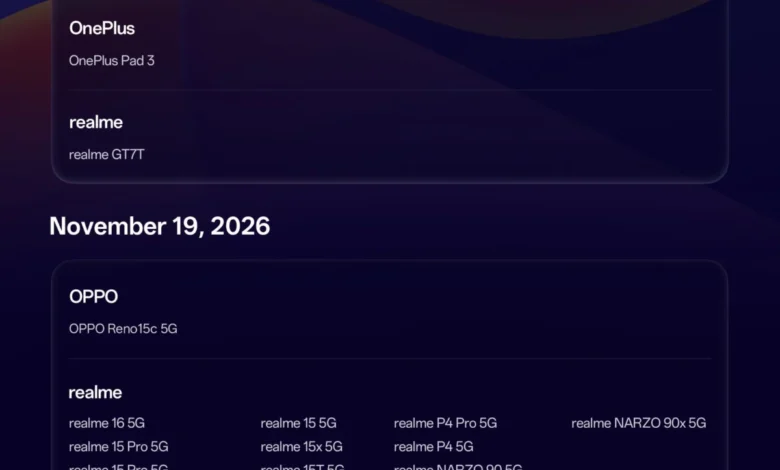
OnePlus has officially formalized its software upgrade roadmap for the upcoming months, providing a definitive timeline for the deployment of Android 17 across its diverse ecosystem of smartphones and tablets. This rollout, confirmed by OPPO’s ColorOS Global account, marks a pivotal shift in the company’s corporate strategy: the phased retirement of the long-standing OxygenOS brand in favor of a unified transition to OPPO’s ColorOS 17. As the lines between the two companies have blurred over years of shared development resources, this update represents the most significant consolidation of their software efforts to date.
The November Rollout Chronology
The transition begins in earnest in early November, targeting flagship devices and select mid-range models. According to the official documentation, the deployment is structured as follows:
- November 5: The OnePlus 13R marks the beginning of the cycle, receiving the first wave of the update.
- November 17: The flagship OnePlus 12 is slated for its deployment.
- November 18: The OnePlus Pad 3 will receive the update, highlighting the company’s commitment to its tablet portfolio.
- November 24: The OnePlus Open, the brand’s high-profile foldable device, is scheduled to migrate to the new OS.
- November 26: The Nord 6 and Nord CE 6 will conclude the November rollout phase.
It is important for users to understand that these dates represent the commencement of the global rollout. In accordance with standard industry practice, updates are rarely delivered to all units simultaneously. The process will occur in stages, categorized by region, carrier partnerships, and specific device variants to ensure stability and minimize the risk of widespread bugs.
The Strategic Shift from OxygenOS to ColorOS
For many long-term OnePlus enthusiasts, the transition from OxygenOS to ColorOS 17 carries significant emotional and functional weight. OxygenOS was historically celebrated for its "stock Android" aesthetic, emphasizing speed, minimalism, and a lack of bloatware. However, the merger of development teams between OnePlus and OPPO—first announced several years ago—has gradually eroded the distinctions between the two platforms.
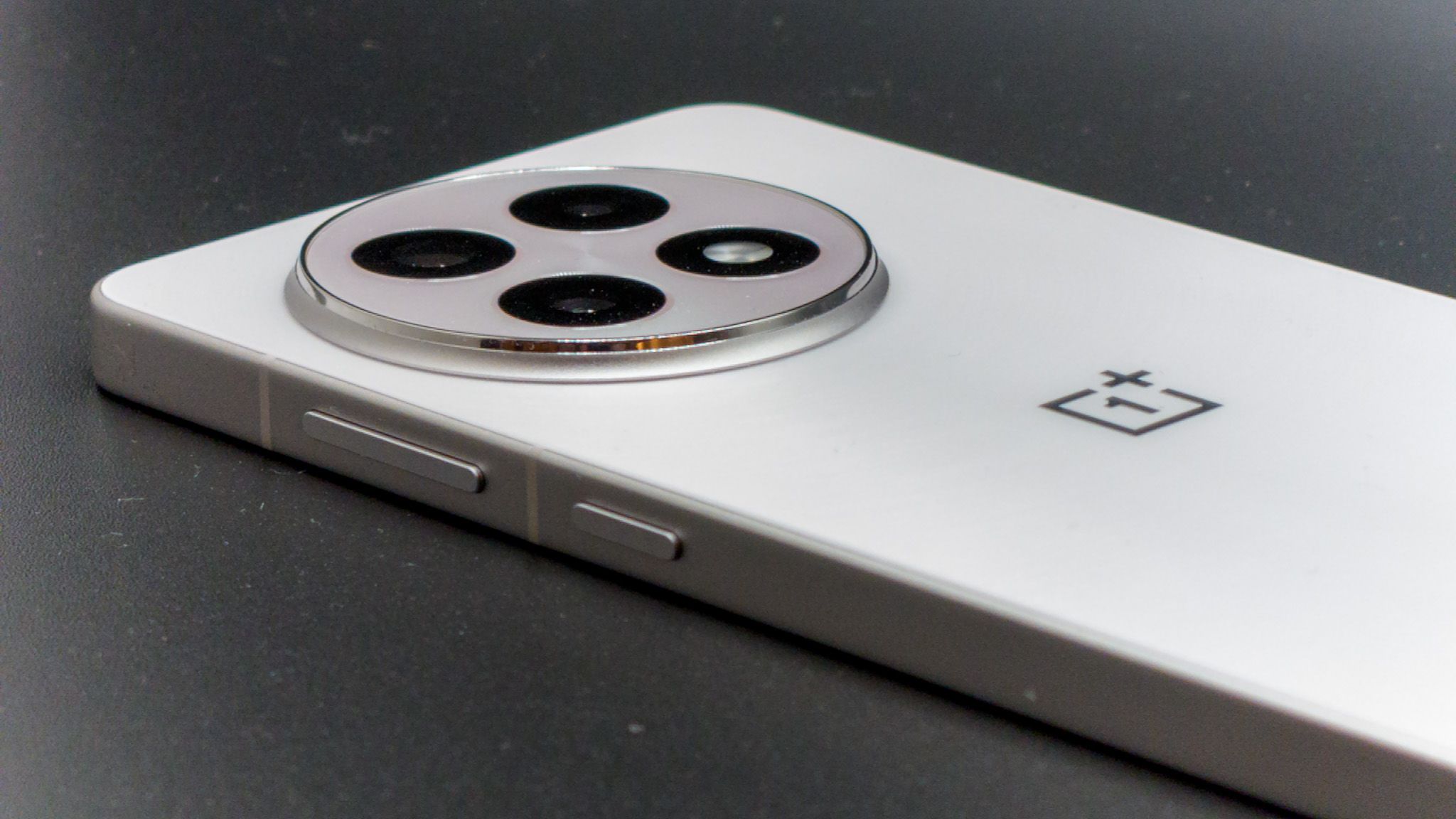
ColorOS 17, built upon the foundation of Android 17, brings a suite of enhancements designed to harmonize the user experience across all devices in the BBK Electronics ecosystem. Key features touted by the developers include:
- Performance Optimization: Improved kernel management and resource allocation to ensure smoother system transitions and faster app launch times.
- Interface Refinements: A modernized UI architecture that emphasizes fluidity and haptic feedback integration.
- AI Integration: Deep-level integration of AI tools for predictive task management, enhanced photo editing capabilities, and proactive battery management.
- Device Continuity: A unified ecosystem experience that allows for seamless cross-device communication between OnePlus phones, tablets, and potentially wearables.
While the loss of the OxygenOS branding may be perceived as the end of an era, analysts suggest this move is a pragmatic response to the escalating costs of software maintenance. By unifying the codebases, OnePlus can expedite security patches and major OS version releases, potentially shortening the wait times that have historically plagued some of its mid-range devices.
Looking Ahead: December and Beyond
The November update is merely the first wave in a broader, more aggressive schedule. As the industry moves into the final quarter of the year, OnePlus has indicated that a second tier of devices will receive the Android 17 transition in December. This group includes the OnePlus 11, the OnePlus 12R, and the Nord 5.
Furthermore, the company has teased a roadmap for the first quarter of 2027, which is expected to cover over a dozen additional devices, including older legacy phones and specialized variants. While specific dates for these devices remain unconfirmed, the sheer volume of supported hardware demonstrates the company’s intent to maintain a consistent lifecycle for its user base, even as the underlying software identity undergoes a fundamental transformation.
Fact-Based Analysis: Implications for the Ecosystem
The move to ColorOS is not just a cosmetic change; it reflects the maturation of the smartphone market. As hardware differentiation becomes increasingly difficult, manufacturers are turning to software ecosystems to retain customer loyalty.
- Uniformity vs. Identity: While critics argue that the "OnePlus identity" is being diluted, the transition allows for a more cohesive ecosystem. Users moving between an OPPO device and a OnePlus device will experience a familiar interface, which facilitates easier data migration and user retention.
- Security and Lifecycle Management: By consolidating software development under a single umbrella, OnePlus is positioning itself to be more competitive regarding long-term support. In an era where Google and Samsung have set the gold standard for seven years of updates, OnePlus needs to ensure its infrastructure is robust enough to handle high-frequency maintenance.
- Market Response: The primary challenge for OnePlus will be managing the expectations of its core demographic. The "Power User" community that helped build the brand in its early years has been vocal about their preference for the specific features of OxygenOS. The success of the ColorOS 17 rollout will depend on how well the company can integrate "Oxygen-like" customization options into the ColorOS framework.
Official Stance and Technical Considerations
OnePlus has not yet released a public statement addressing potential concerns regarding the loss of specific OxygenOS features, but internal communications suggest that the company intends to keep "performance" and "customization" as the core pillars of the new OS. Users should be advised that moving to a new OS architecture often involves a significant system-wide rewrite of the underlying software, which can occasionally lead to minor compatibility issues with third-party applications during the initial launch phase.
For users who are concerned about the stability of the update, the industry recommendation remains consistent: ensure your device is backed up via cloud services or a local physical storage drive before initiating the update. Furthermore, since the rollout is staggered, users should not be alarmed if their device does not receive a notification on the exact date mentioned in the schedule. The "staged rollout" mechanism allows the company to monitor for critical bugs in real-time, pulling or pausing the update if significant issues arise.
Conclusion
The rollout of Android 17 marks the final chapter in the transition of OnePlus software from a niche, enthusiast-driven interface to a standardized, enterprise-grade system. While the shift to ColorOS 17 is a structural necessity for a company operating within a larger, vertically integrated hardware conglomerate, it also presents an opportunity for greater efficiency and more reliable software delivery.
As OnePlus moves forward, the primary metric for success will be the ability to balance the demands of its loyal user base with the functional benefits of the new platform. With the November and December rollout phases now clearly defined, the company has set a transparent course for its future. The coming months will be a critical test of whether this unified software strategy can deliver the speed, stability, and innovation that users have come to expect from the brand. Whether the transition to ColorOS 17 is viewed as a triumph of consolidation or a loss of individuality, it is undeniably the most significant software development in the company’s history.