Oppo Cancels the Find X10 Ultra Amid Escalating Global Component Costs and Memory Supply Constraints

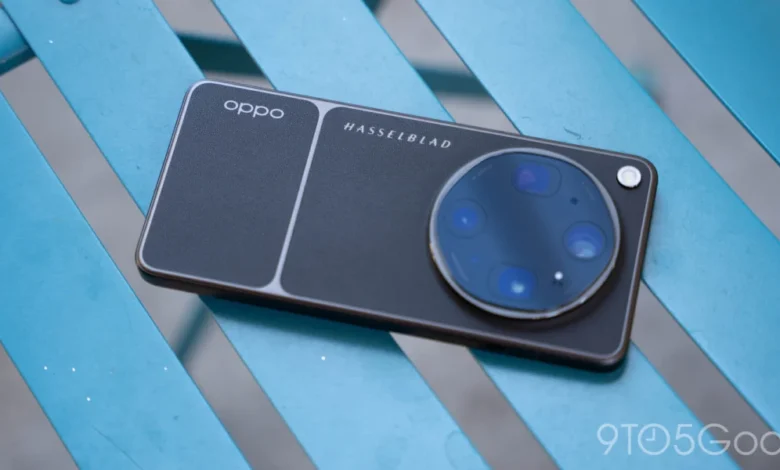
The smartphone industry is facing an unprecedented macroeconomic squeeze, commonly referred to by analysts and industry insiders as "RAMageddon." Amid skyrocketing global memory costs, surging component prices, and fierce competition for silicon resources driven heavily by the rapid expansion of artificial intelligence infrastructure, major consumer electronics manufacturers are beginning to scale back their most ambitious hardware plans. According to recent reports from prominent supply chain leaker Digital Chat Station on Weibo, BBK Electronics subsidiary Oppo has officially shelved its development plans for the highly anticipated Oppo Find X10 Ultra.
The decision marks a stark turning point for the smartphone market. Just a year prior, the Oppo Find X9 Ultra had captured critical acclaim, securing its place as a favorite flagship device for tech reviewers worldwide due to its uncompromising specifications, stellar build quality, and cutting-edge imaging capabilities. The cancellation of its successor suggests that the ultra-premium tier of mobile devices—traditionally defined by massive memory pools, expensive multi-periscope camera arrays, and top-tier silicon—may be temporarily unsustainable under current market conditions without driving retail prices to levels that would alienate even the most dedicated enthusiasts.
Understanding the Anatomy of "RAMageddon" and Component Inflation
To comprehend why a powerhouse device like the Find X10 Ultra has fallen victim to corporate restructuring, one must examine the broader economic pressures currently gripping the semiconductor and memory manufacturing sectors. Over the past several quarters, the exponential demand for enterprise-grade artificial intelligence servers has created a massive bottleneck in the global supply chain. Datacenter operators, hyperscalers, and AI research firms have been aggressively hoarding high-density memory modules—specifically High Bandwidth Memory (HBM) and advanced generations of LPDDR5X DRAM—driving procurement costs to historic highs.
Consumer smartphone manufacturers, which rely on the same foundational silicon fabrication lines and memory supply chains, are bearing the brunt of this reallocation. As wholesale prices for components surge, brands are forced to absorb unsustainable margins or pass the exorbitant costs directly to consumers. In the ultra-premium smartphone segment, where devices typically ship with 16GB or even 24GB of RAM to handle complex on-device generative AI tasks and heavy multitasking, these memory cost spikes hit profit margins with devastating force. Consequently, manufacturers are rethinking their product roadmaps, trimming experimental or low-volume flagship models to protect their bottom lines.

The Contrast Between the Find X9 Ultra and the Find X10 Series
The fallout from component pricing pressures has already altered Oppo’s broader product strategy throughout the current generation. The preceding Oppo Find X9 Ultra was a masterclass in mobile engineering, featuring a top-tier Snapdragon flagship processor paired generously with 16GB of RAM, establishing a benchmark for performance and versatility.
By contrast, the current Oppo Find X10 Pro Max demonstrates clear compromises forced by the shifting economic landscape. In a pivot away from Qualcomm’s most expensive silicon solutions, the X10 Pro Max utilizes a flagship MediaTek processor in many regional configurations. Furthermore, base configurations have been dialed back to 12GB of RAM in an effort to maintain a competitive price floor. Despite these hardware concessions, the device remains extraordinarily expensive, particularly in international markets such as Europe, where import duties, local taxes, and currency fluctuations further exacerbate the high sticker price.
Industry observers note that if a compromise device like the Find X10 Pro Max struggles with high retail pricing, the manufacturing cost of a true "Ultra" successor featuring bespoke sensors and maximum memory configurations would have priced the phone entirely out of the competitive consumer market.
A Lost Photographic Powerhouse: What the Find X10 Ultra Was Supposed to Be
For mobile photography enthusiasts, the cancellation of the Find X10 Ultra represents a significant blow to the evolution of smartphone imaging. Leaks and industry insider disclosures had painted a picture of a device poised to redefine computational and optical photography standards.

The expected hardware configuration of the canceled Find X10 Ultra read like a wishlist for mobile imaging professionals:
- A massive 200-megapixel primary camera utilizing a 1/1.12-inch sensor equipped with Lateral Overflow Integration Capacitor (LOFIC) technology to dramatically improve dynamic range and handle harsh lighting conditions without highlight clipping.
- A secondary 200-megapixel periscope telephoto lens built upon a large 1/1.3-inch sensor, designed to deliver unprecedented optical zoom clarity and low-light telephoto performance.
- A dedicated 50-megapixel periscope telephoto lens capable of achieving an extreme 10x optical zoom reach.
- An innovative 100-megapixel front-facing square sensor camera aimed at revolutionizing high-resolution selfie capture and vlogging capabilities.
In combination, this hardware suite would have positioned the Find X10 Ultra as an undisputed imaging titan. Instead, these technological advancements have been shelved, illustrating how macroeconomic supply constraints can abruptly halt the commercialization of cutting-edge research and development.
Broader Industry Implications and the Future of Ultra Flagships
Oppo’s strategic retreat is unlikely to be an isolated incident. Across the Android ecosystem, major original equipment manufacturers (OEMs) are reevaluating their product portfolios. Brands that previously maintained sprawling lineups featuring standard, Pro, Pro+, and Ultra variants are finding that low-volume, ultra-expensive flagship devices are becoming financial liabilities.
When component pricing forces companies to choose between diluting device specifications or pricing products out of consumer reach, stagnation often follows. As AI infrastructure investments continue to dictate semiconductor manufacturing priorities, consumers may see a temporary plateau in the spec-sheet escalation that has defined the smartphone industry over the past decade. Manufacturers are increasingly pivoting toward software longevity, efficiency gains, and ecosystem integration rather than hardware-heavy brute-force specifications.
While the cancellation of the Oppo Find X10 Ultra closes the door on what could have been the defining camera phone of the generation, it also serves as a stark reminder of the delicate interdependence between consumer electronics and global supply chains. As the tech industry navigates the ongoing pressures of RAMageddon, manufacturers will need to exercise extreme strategic discipline to balance technological innovation with commercial viability.