Sennheiser Momentum True Wireless 5 Review: A Refined Masterclass in Portable Audio Performance

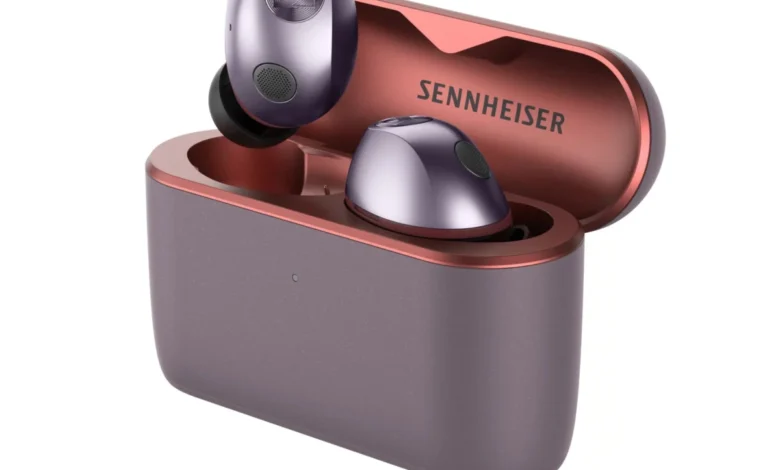
The release of the Sennheiser Momentum True Wireless 5 represents a significant milestone in the evolution of premium personal audio, marking a deliberate shift from the design language and technical limitations of its predecessors. For years, the audio industry has wrestled with the dichotomy of high-fidelity sound versus effective active noise cancellation (ANC). Historically, Sennheiser has leaned heavily into the former, prioritizing the nuanced reproduction of soundscapes over the aggressive isolation techniques utilized by competitors such as Sony and Bose. However, with the launch of the Momentum True Wireless 5 (TW5), the company has signaled a strategic realignment, aiming to capture the market-leading performance of its rivals while retaining its signature acoustic identity.

A Chronology of Evolution
To understand the significance of the Momentum TW5, one must look at the trajectory of the series. Since the inception of the Momentum line, Sennheiser has maintained a reputation for "reference-grade" tuning—a clinical, well-balanced approach that avoids the "V-shaped" sound profiles common in consumer electronics. The transition from the fourth generation to the fifth represents more than just a model increment; it reflects a pivot toward hardware longevity and ergonomic refinement.
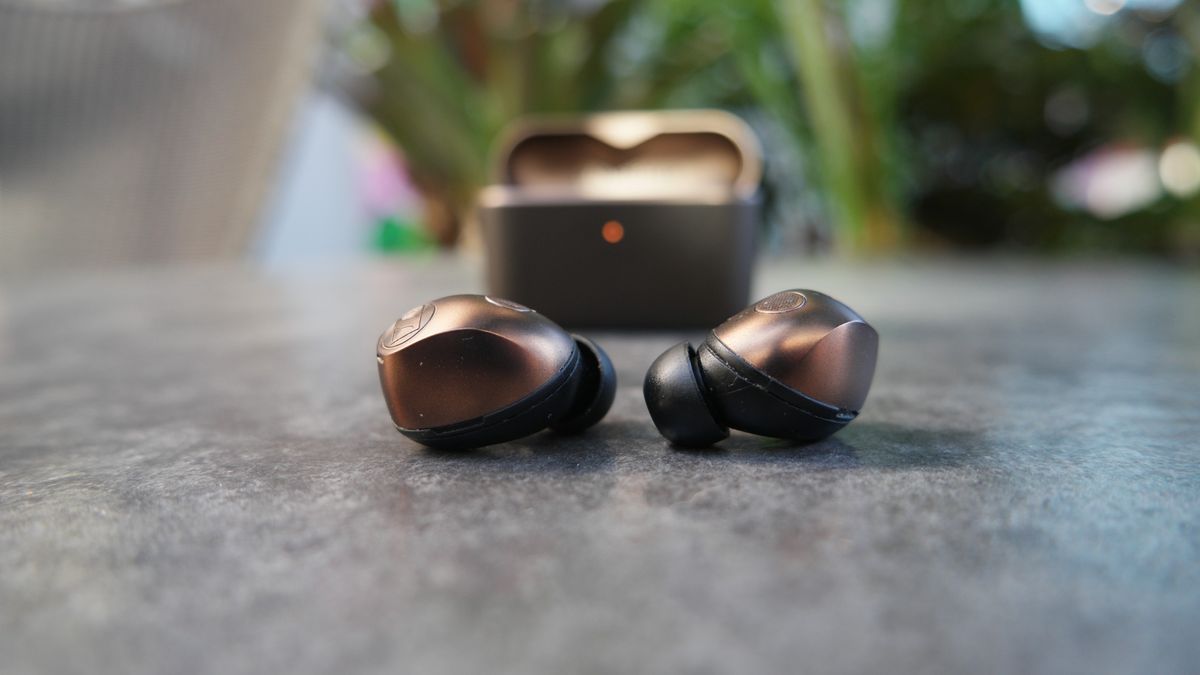
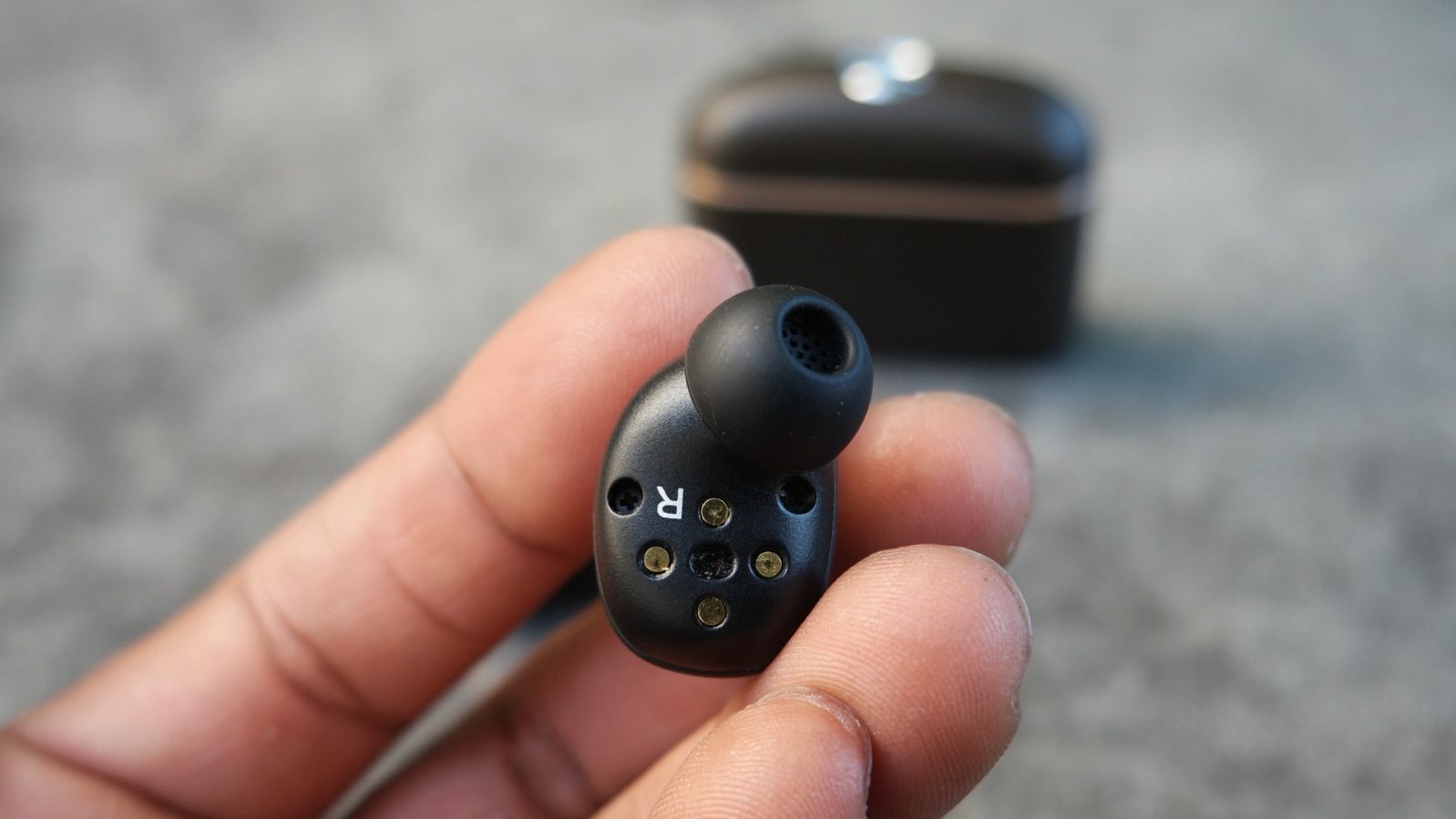
While the Momentum TW4 was widely lauded for its sonic prowess, it was often criticized for its bulky, angular aesthetic and non-serviceable internal components. The fifth iteration addresses these concerns directly. By moving to a more aerodynamic, smoothed-edge design, Sennheiser has managed to improve comfort without sacrificing the structural integrity required for a high-performance acoustic chamber. The most striking change, however, is the integration of user-replaceable batteries—a feature that places the TW5 in a unique position within the industry. By incorporating a standard Philips head screw mechanism on both the earbuds and the charging case, Sennheiser is acknowledging the "Right to Repair" movement and addressing the planned obsolescence that plagues most modern Bluetooth audio devices.
Technical Specifications and Performance Metrics
The technical architecture of the Momentum TW5 is built around 7mm TrueResponse dynamic drivers. This proprietary technology has been the backbone of Sennheiser’s high-end consumer and professional IEM (In-Ear Monitor) lineup for years. The inclusion of Bluetooth 6.0 support ensures future-proof connectivity, while the expansion of codec support—including SBC, AAC, aptX Adaptive, and aptX Lossless—demonstrates a commitment to high-bitrate streaming.
Supporting Data:
- Connectivity: Bluetooth 6.0 with Multipoint functionality.
- Battery Life: 6 hours with ANC engaged; total playback of 20–25 hours with the case.
- Durability: IP54 rating (dust and water resistance).
- Microphone Array: 6-microphone configuration paired with 2 bone-conduction voice accelerometers.
- EQ Customization: 8-band adjustable equalization via the Sennheiser Smart Control+ application.
The most critical test for any flagship earbud in 2026 remains its noise-cancellation capability. In side-by-side benchmarking against current industry leaders, the Momentum TW5 demonstrates a marked improvement over the TW4. The engineering team has successfully expanded the frequency range over which the ANC operates. While the Sony WF-1000XM6 remains the gold standard for blocking out low-frequency engine drones and certain high-pitched city sounds, the gap has narrowed significantly. The TW5 effectively masks the chaotic spectrum of urban noise, from the rhythmic clatter of a subway car to the sharp transients of office keyboard strokes.
Acoustic Analysis and Market Positioning
The Sennheiser brand has built its legacy on the concept of "instrument separation." In a market saturated with products that prioritize bass-heavy, "fun" sound signatures, the TW5 stands out by maintaining a neutral but engaging profile. During playback of complex orchestral arrangements or dense jazz compositions, the TW5 provides a spatial imaging quality that prevents the "mashed potato" effect—a common failure where instruments blur into a single, muddy frequency response.
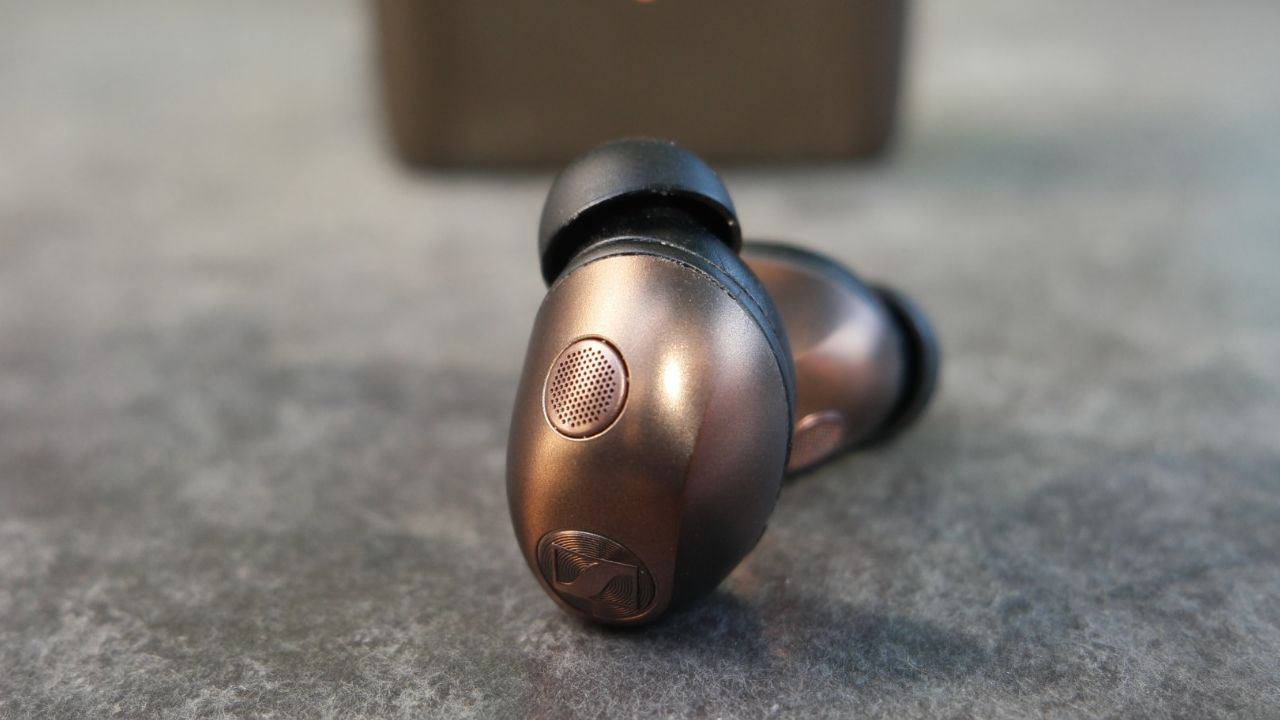
In testing against rival flagships, the TW5’s performance with vocal-forward tracks is particularly notable. Tracks characterized by high-frequency sibilance—such as those featuring delicate female vocals or sharp brass instruments—are handled with a controlled smoothness. This is indicative of a well-tuned digital signal processor (DSP) that prevents listener fatigue during extended sessions. Furthermore, the expansion of the Smart Control+ app to include an 8-band EQ allows users to bypass the factory tuning, providing a degree of granular control that will satisfy even the most discerning audiophiles.
Challenges and Limitations
Despite these advancements, the Momentum TW5 is not without its limitations. The most prominent of these is the behavior of the microphone array during outdoor calls. While the internal noise-suppression algorithms are highly effective, the AI-driven processing can occasionally lead to "finicky" audio behavior when the ambient environment is particularly loud. This manifests as a slight fluctuation in vocal stability as the system works to differentiate between the user’s voice and external noise. While this does not render the device unusable for calls, it highlights the ongoing challenge of achieving perfect call clarity in real-world, high-noise scenarios.
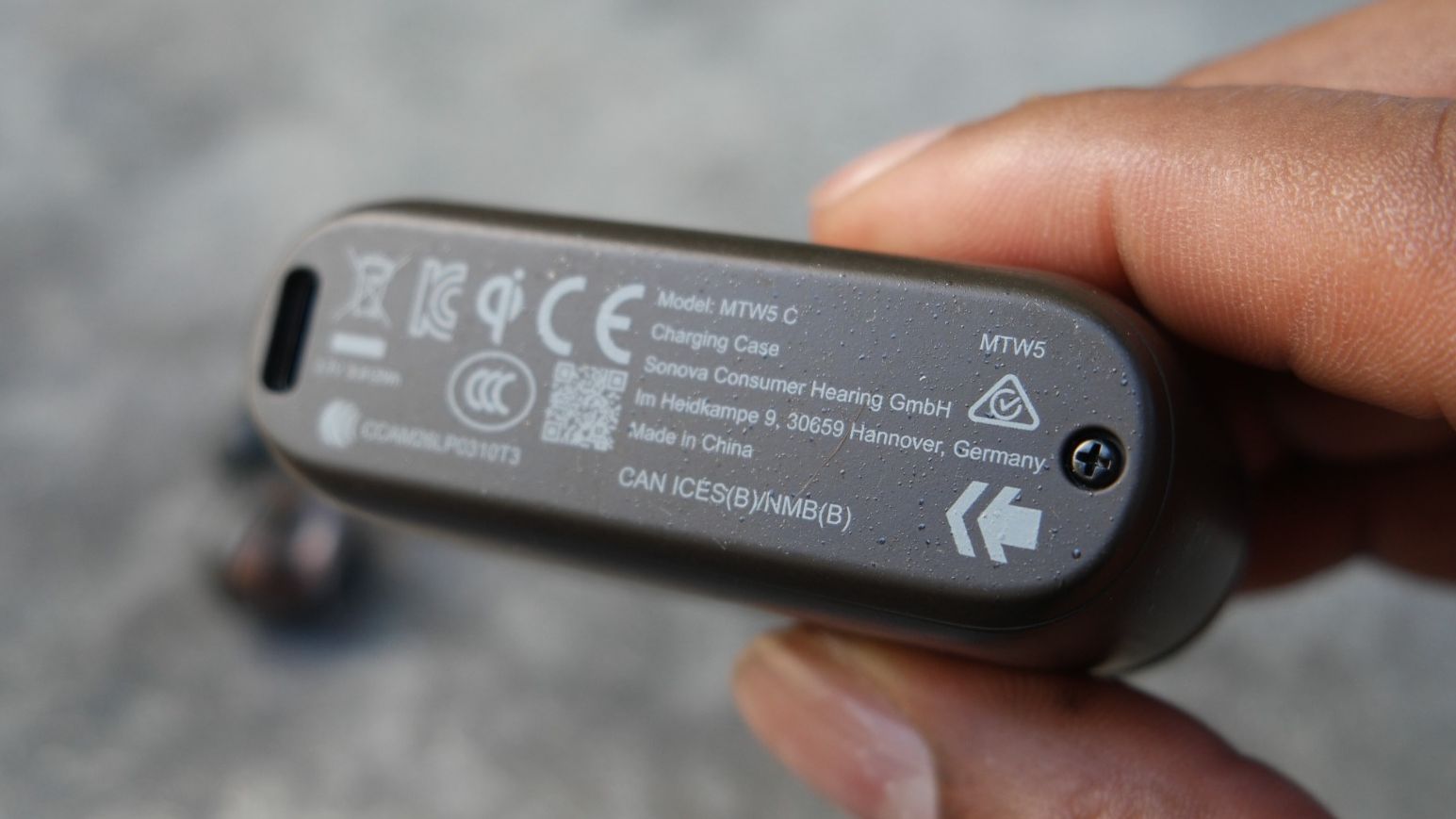
Additionally, while the battery life is respectable, it does not set new records. Competitive devices in the same price bracket often push the 8-hour mark with ANC active. Sennheiser’s decision to prioritize high-fidelity driver performance likely necessitates a higher power draw, which acts as the limiting factor for battery longevity. However, the decision to make the batteries user-replaceable effectively mitigates the long-term impact of this choice, as users can simply swap in a fresh power cell once the original degrades after several years of use.
Broader Implications for the Audio Industry
The introduction of the Momentum True Wireless 5 signifies a maturation of the true wireless market. Manufacturers are no longer competing solely on the basis of battery life or ANC strength; they are increasingly focused on the "ecosystem" of the product—how it fits into the user’s life over a five-year horizon rather than a two-year upgrade cycle.
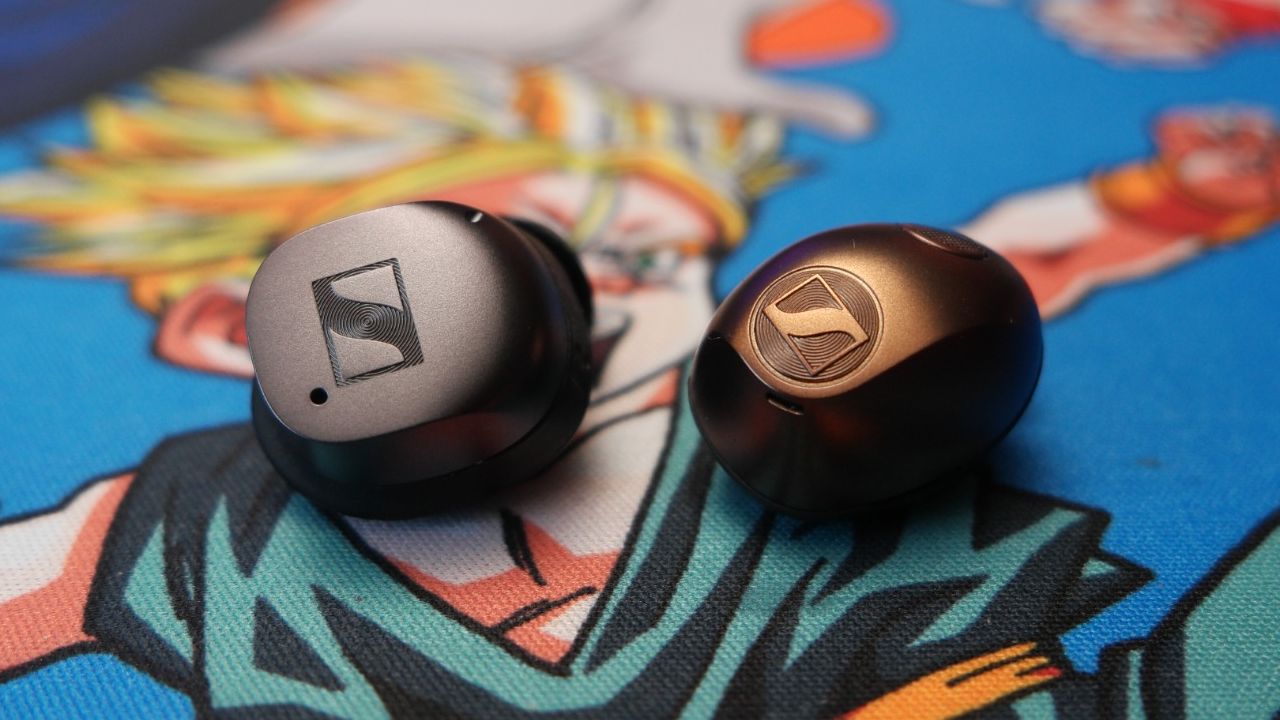
Sennheiser’s commitment to serviceability is a bold move that aligns with global consumer trends toward sustainability. By providing a prying tool and a clear path for battery replacement, the company is positioning the Momentum TW5 not just as a gadget, but as a long-term investment. This strategy forces a dialogue among competitors who have historically relied on sealed, disposable designs. If the Momentum TW5 proves successful, it is highly probable that other premium audio manufacturers will follow suit, introducing modular designs to justify the high price points associated with flagship earbuds.
Conclusion: A Balanced Flagship
The Sennheiser Momentum True Wireless 5 successfully bridges the gap between the brand’s audiophile heritage and the requirements of modern mobile consumers. It provides an elevated listening experience that avoids the pitfalls of clinical, soulless sound reproduction, while simultaneously modernizing its approach to noise cancellation and hardware maintenance. While it may not yet be the undisputed king of ANC or voice calling, its comprehensive feature set and superior sound signature make it a compelling choice for consumers who view their earbuds as an essential, long-term tool for both work and leisure. As the industry continues to evolve, the Momentum TW5 serves as a testament to the fact that excellence is found in the balance between technical innovation and user-centric design.