Samsung Galaxy S27 charging specifications remain stagnant at 25W according to recent regulatory filings


The landscape of modern smartphone technology is defined by a relentless race toward faster power delivery, yet Samsung appears poised to maintain a conservative stance with its upcoming entry-level flagship. Recent regulatory documentation sourced from UL Solutions in Denmark indicates that the base model of the Samsung Galaxy S27 will retain the 25W wired charging ceiling that has characterized the standard Galaxy S-series since the debut of the Galaxy S20 in 2020. This revelation, while consistent with the company’s recent hardware cycles, highlights a widening disparity between Samsung’s base-tier flagship offerings and the rapidly evolving standards set by competitors in the global smartphone market.
Regulatory Confirmation and Global Consistency
The findings originated from certifications issued by UL Solutions, specifically under the Demko certification body, dated October 23. These documents provide a granular look at the technical specifications of the SM-S952 model family, which serves as the identifier for the standard Galaxy S27. According to the data, the device is rated for 9V DC at 2.77A, mathematically resulting in a power output of approximately 24.93W. This confirms that, for the fifth consecutive year, the entry-level flagship will not see an increase in its wired charging throughput.
The certifications, identified by certificate numbers DK-187425-UL and DK-187435-UL, cover a broad spectrum of regional variants including the SM-S952U (United States), SM-S952U1 (US Unlocked), SM-S952W (Canada), SM-S952B (Global), and SM-S952N (South Korea). The breadth of these model numbers suggests that Samsung intends to enforce this charging limitation uniformly across all major global markets, rather than reserving faster capabilities for specific regions. This standardization underscores a deliberate design choice by the manufacturer, prioritizing internal thermal management and battery longevity over the aggressive charging speeds favored by other industry players.
A Chronological Look at Samsung’s Charging Strategy
To understand the significance of this stagnation, one must examine the timeline of Samsung’s charging evolution. In 2020, the launch of the Galaxy S20 marked a transition toward higher-wattage charging, moving away from the 15W standard that had been the industry benchmark for years. While 25W was considered a competitive "fast charging" speed at the time, the industry has undergone a seismic shift in the intervening four years.
During this period, the broader smartphone market—particularly manufacturers headquartered in China—has pushed the boundaries of lithium-ion battery technology. Companies such as Xiaomi, Oppo, and Vivo have normalized charging speeds between 67W and 120W, with some experimental devices even pushing toward 200W. By comparison, Samsung’s decision to keep the base S27 model at 25W places it in a category that, while functional for overnight charging or moderate daily use, fails to address the "top-up" convenience that has become a critical marketing pillar for competitors.
Internal Disparity Within the S27 Product Line
While the base model appears anchored to 25W, leaked information from various certification bodies, including China’s 3C (Compulsory Certification), suggests that the higher-end members of the S27 series will receive differentiated treatment. Speculation indicates that the Galaxy S27 Plus could be upgraded to support 45W charging, a capability that has historically been reserved for the Ultra-tier devices. Furthermore, the flagship Galaxy S27 Ultra is rumored to reach charging speeds of 60W.
This internal stratification serves a dual purpose for Samsung: it preserves the high-performance distinction of the Ultra model while maintaining a lower price point and a streamlined supply chain for the base model. However, this creates a distinct experience gap. Users who opt for the base S27, often due to its compact form factor and lower entry price, are forced to accept a charging experience that is effectively unchanged from half a decade ago, while the premium models slowly inch toward higher industry standards.
Efficiency as a Counter-Argument
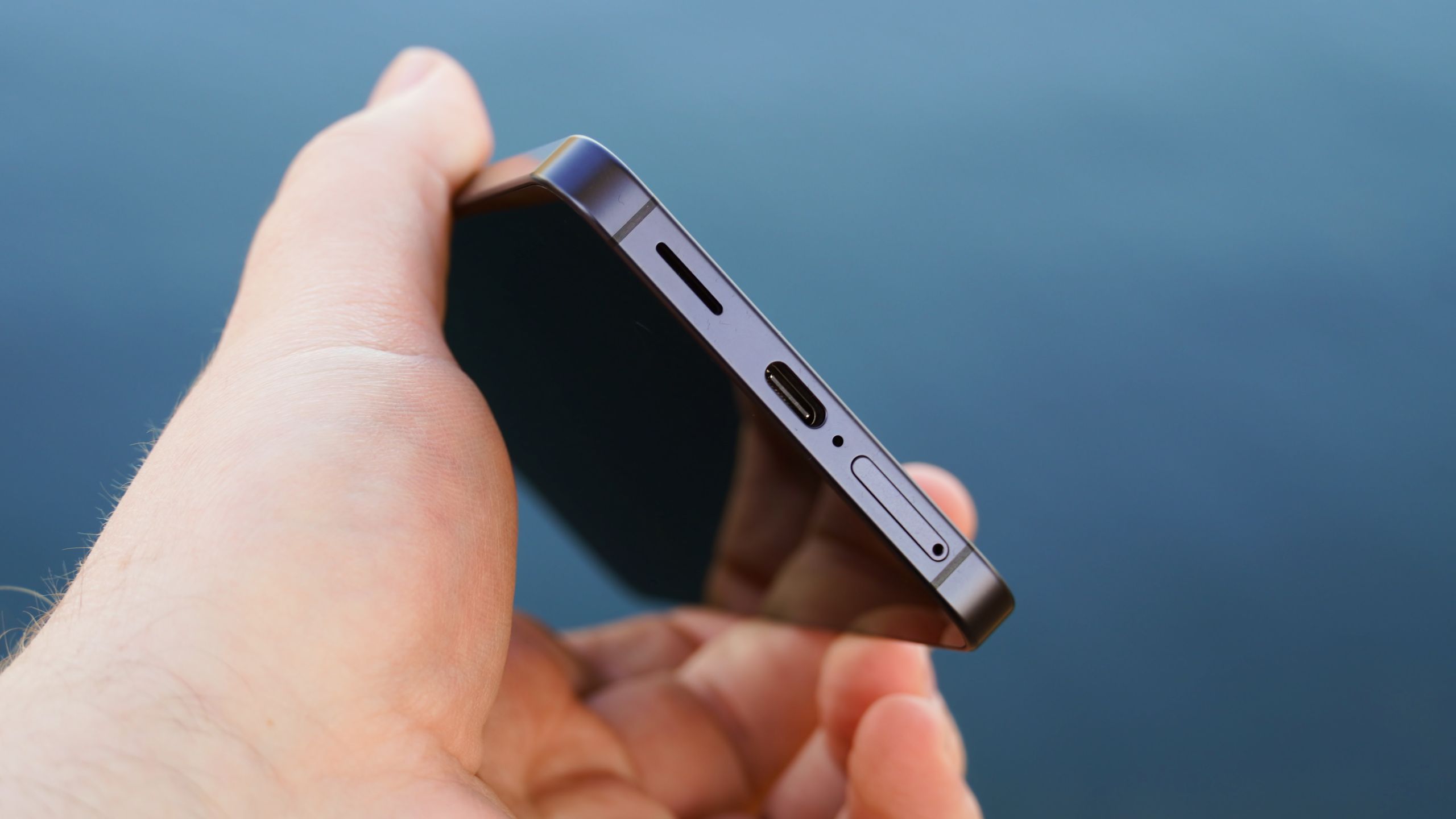
Samsung’s defense for maintaining these charging speeds often centers on battery longevity and thermal safety. High-wattage charging generates significant heat, which is the primary enemy of lithium-ion battery chemistry. By limiting the input to 25W, Samsung can theoretically ensure that the battery retains a higher percentage of its original capacity over three or four years of heavy use.
Moreover, the company is looking to address user experience through power efficiency rather than raw charging speed. The upcoming Galaxy S27 is expected to feature significant architectural improvements. Reports suggest the device will utilize the Exynos 2700 chipset in many global regions, while the United States market is projected to receive a variant powered by the Qualcomm Snapdragon 8 Elite Gen 6. These next-generation processors are designed with smaller node architectures, which should result in lower power consumption. If the handset can operate more efficiently, the need for rapid charging throughout the day is mitigated, as the device is theoretically less likely to drain before the user has access to a power source.
Broader Industry Implications and Market Sentiment
The consumer response to these findings is likely to be polarized. For the average user, 25W is sufficient to reach a 50% charge in roughly 30 minutes, which is often cited as an acceptable threshold for daily utility. However, the optics of a 2025 flagship phone shipping with 2020-era charging specifications may present a challenge for Samsung’s marketing department. In a highly saturated market where specs are the primary language of competition, the "25W" label could be perceived as a lack of innovation by power users and tech enthusiasts.
Furthermore, the lack of information regarding wireless charging or battery capacity in these regulatory documents leaves room for potential, albeit limited, updates. If Samsung pairs the 25W charging with a larger battery cell—perhaps by utilizing high-density silicon-carbon battery technology—the overall endurance of the phone could improve, even if the charging speed remains static.
Strategic Analysis
From a manufacturing perspective, the decision to stick with 25W likely involves a complex cost-benefit analysis. By keeping the charging hardware consistent, Samsung can utilize existing power management integrated circuits (PMICs) and cooling solutions, which helps maintain profit margins on the base model. As the smartphone market faces increasing pressure from rising component costs, manufacturers are often forced to choose between premium features and competitive pricing. In this context, the charging speed is a lever that can be adjusted to keep the base model accessible.
However, the risk remains that the "base model" of the Galaxy S series could be seen as increasingly dated. As competitors integrate faster charging as a standard feature across all tiers, Samsung’s reliance on 25W for the entry-level flagship risks alienating the mid-to-high-end consumer who expects flagship-level performance in all metrics.
Conclusion
As the expected launch window for the Galaxy S27 approaches, these regulatory findings provide a clear, albeit sobering, look at what the device will offer. While the internal components—processors, display, and camera sensors—are almost certain to see meaningful upgrades, the charging infrastructure will remain a legacy feature. For consumers, the choice will ultimately come down to a trade-off: the reliability and brand ecosystem of Samsung against the faster, more aggressive hardware specifications offered by rival manufacturers. Unless a last-minute adjustment is made, the Galaxy S27 will serve as a testament to Samsung’s prioritization of battery health and component consistency over the rapid-fire charging trends currently dominating the smartphone industry.