The integration of cameras into everyday wearable technology represents one of the most promising frontiers in mobile computing, yet this evolution faces a severe and compounding cultural crisis. When smart glasses first emerged as a viable commercial category, they were widely heralded as the next logical step in personal electronics, bridging the gap between ambient computing and hands-free media capture. However, the proliferation of discreet, face-mounted cameras has ignited profound societal discomfort, eroding public trust and casting a heavy shadow over upcoming hardware releases.
At the center of this controversy is Meta and its popular Ray-Ban smart glasses collaboration. While the device initially captured consumer enthusiasm through its seamless point-of-view recording capabilities and integrated audio features, subsequent security lapses, privacy scandals, and delayed software patches have fundamentally altered the public perception of the entire product category. As the technology industry prepares for the commercial rollout of competing Android XR glasses from major ecosystem players like Google and Samsung, manufacturers are confronting an uphill battle against a deeply entrenched social stigma.
The Evolution and Appeal of Camera-Enabled Wearables
To understand the current backlash, it is necessary to examine why consumers initially embraced camera-equipped smart glasses. The smart glasses market has historically been divided into two primary categories: open-ear audio devices designed primarily for phone calls and media playback, and mixed-reality displays intended to overlay digital information onto the physical world. While true mixed-reality optical systems remain technically challenging and expensive to manufacture at scale, audio-first glasses equipped with integrated cameras struck a practical middle ground.
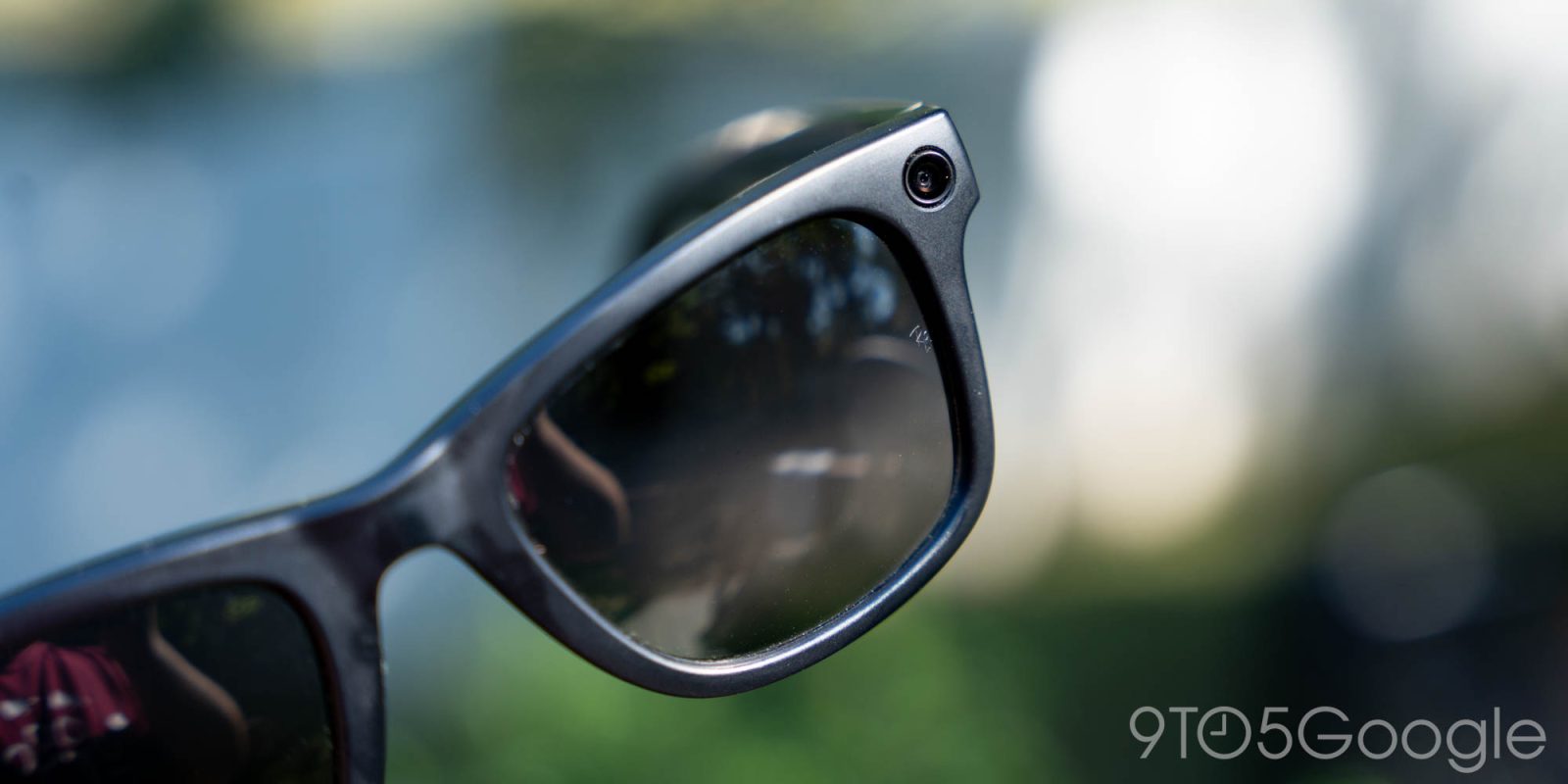
Meta’s partnership with eyewear giant EssilorLuxottica transformed smart glasses from a niche enthusiast product into a mainstream consumer phenomenon. The primary selling point for millions of buyers was not merely artificial intelligence integration, but the ability to capture candid, first-person perspective footage effortlessly. Users praised the hardware for its utility in recording memories during outdoor activities, hobbies, and social gatherings without the physical encumbrance of holding a smartphone or dedicated action camera.
Furthermore, the integration of on-board artificial intelligence expanded the practical applications of these devices. Features such as real-time language translation, contextual scanning of menus, and object recognition proved genuinely useful for daily productivity and navigation. Despite these functional advantages, the mere presence of a camera lens mounted on a pair of everyday spectacles has proven to be a double-edged sword.
Privacy Violations, Security Loopholes, and Institutional Mistrust
The deterioration of public trust in smart glasses is not solely a product of user discomfort, but rather the result of specific corporate missteps and technical vulnerabilities that emerged over a multi-year period. Central to this issue is Meta’s historical corporate track record regarding user data privacy. The combination of a major technology corporation known for data monetization strategies and a persistent, face-mounted recording device proved deeply unsettling to the general public.
Compounding these foundational concerns were several high-profile security controversies. Investigative reports revealed instances of human moderators reviewing uncensored private recordings captured by users, triggering widespread anxiety regarding the destination and security of collected visual data. Additionally, persistent industry rumblings regarding Meta’s internal exploration of facial recognition technology and always-on recording capabilities effectively evaporated remaining consumer goodwill.
Technical oversights further exacerbated the crisis. For nearly two years following the commercial introduction of camera-enabled smart glasses, security researchers and privacy advocates documented hardware and software workarounds designed to disable or obscure the mandatory privacy LED indicator—a light meant to signal to bystanders when recording was active. Despite widespread media reports detailing these back-alley modifications and privacy loopholes, Meta did not implement robust, comprehensive software fixes until mid-summer. Subsequent loopholes discovered shortly thereafter required additional emergency patches, highlighting a systemic lag in proactive device security.
The Industry-Wide Ripple Effect on Android XR
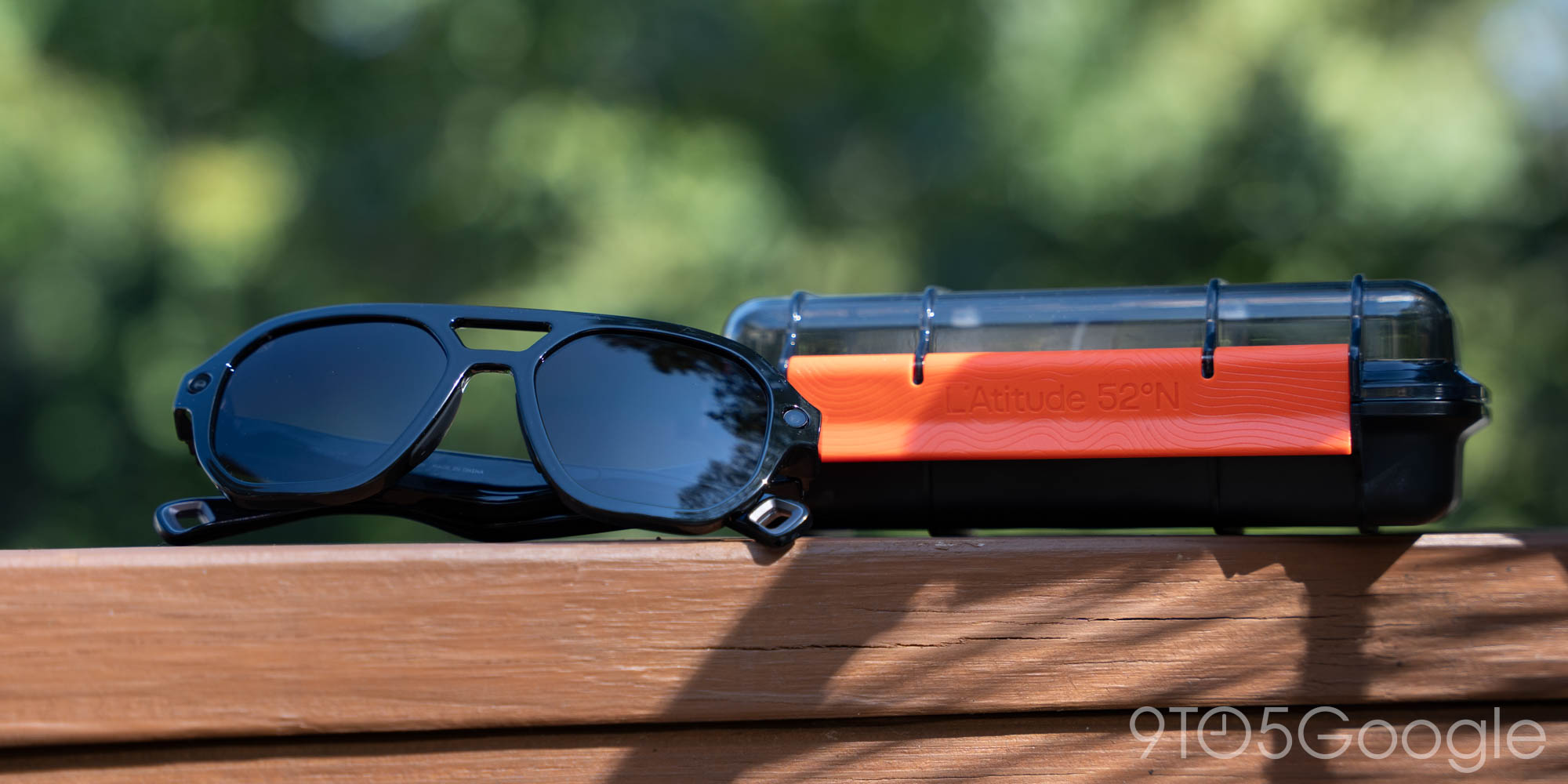
The fallout from these security and privacy failures extends far beyond Meta’s product ecosystem, threatening to derail the upcoming launch of next-generation hardware across the broader technology sector. The industry is currently approaching the commercial debut of the first dedicated Android XR glasses, developed through partnerships involving Google, Samsung, and traditional eyewear manufacturers such as Warby Parker.
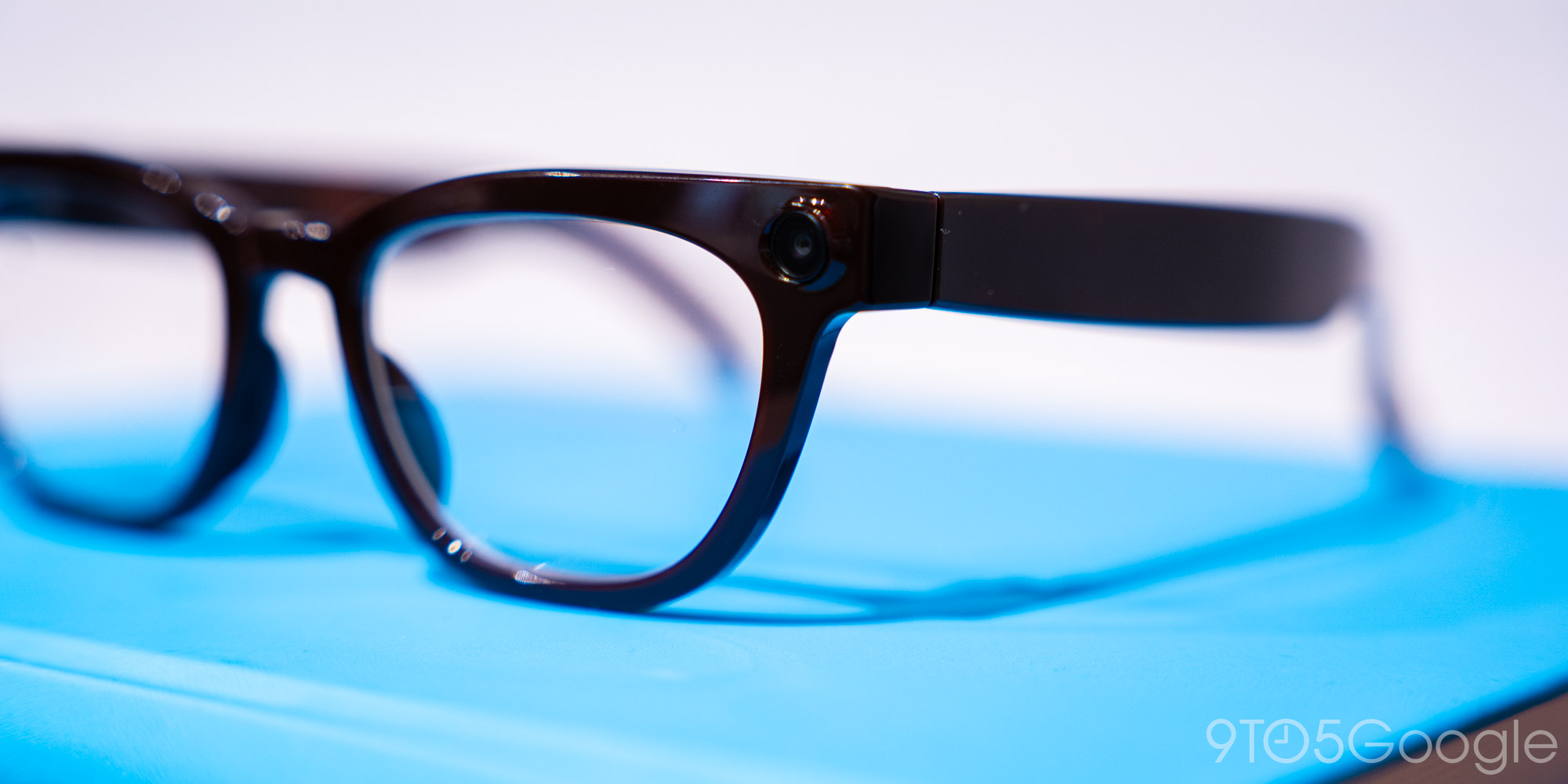
Every anticipated model within the forthcoming Android XR lineup features an integrated camera system, positioning these devices in direct competition with established wearables. However, these new market entrants face a significant public relations hurdle: the pervasive cultural stigma surrounding "perv glasses."
While manufacturing executives have emphasized that incoming hardware includes robust, tamper-resistant safeguards designed to prevent privacy light manipulation and unauthorized recording, rebuilding public confidence presents a formidable challenge. Industry analysts note that consumer awareness of these protective measures is low, and the broader cultural memory of privacy breaches associated with early smart glasses will likely influence public perception for years to come. Consequently, hardware manufacturers launching new wearable technology must invest heavily in transparent communication and strict security protocols to differentiate their products from past controversies.

Market Implications and the Path Forward
The current crisis surrounding camera-equipped wearables forces a difficult calculation for both manufacturers and consumers. Brands that choose to bypass onboard cameras entirely in favor of audio-only or purely optical display systems avoid the acute social stigma associated with surreptitious recording. However, as field tests of camera-less smart glasses demonstrate, the absence of an integrated optical sensor deprives users of essential AI-driven utility, such as environmental scanning, visual search, and seamless point-of-view content capture.
The trajectory of the smart glasses market over the next several years will depend heavily on how effectively the industry addresses legitimate privacy concerns without sacrificing functional utility. Establishing standardized, tamper-proof privacy indicators, enforcing transparent data governance policies, and engaging proactively with privacy advocates will be critical steps in rehabilitating the public image of wearable cameras. Until these standards are universally adopted and trusted by the public, the shadow cast by early market missteps will continue to influence the adoption rate of augmented reality and smart eyewear across global markets.