Sihoo B300 Pro sets a new benchmark for ergonomic office seating with advanced adjustability features

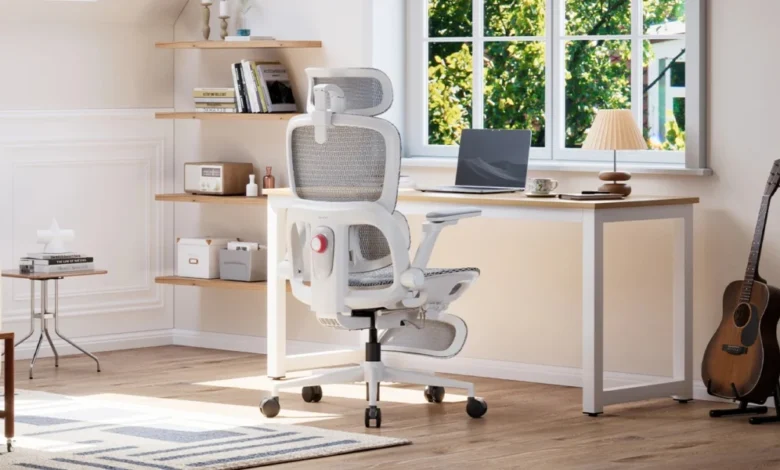
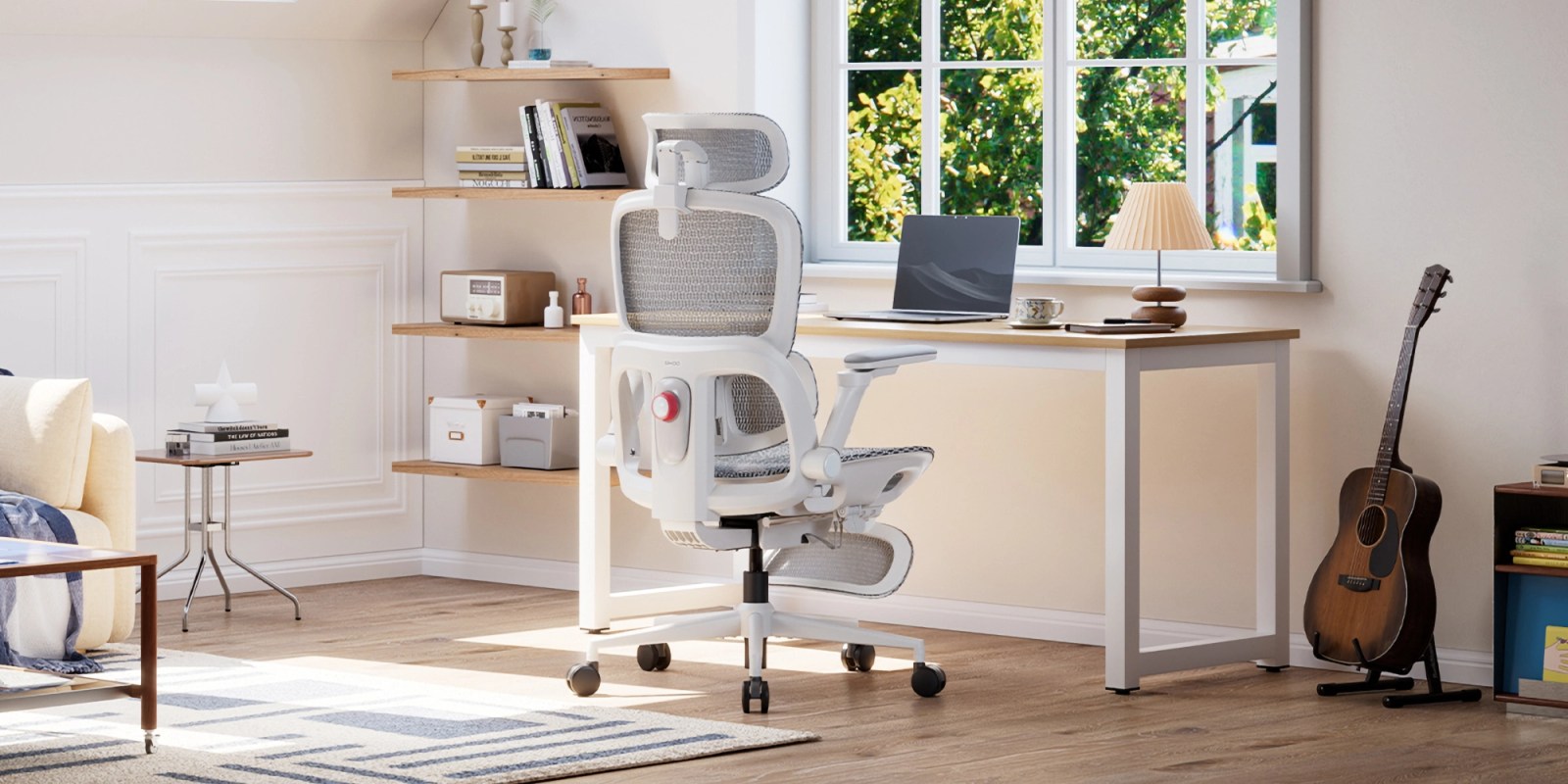
When building a high-performance workstation, professionals often prioritize the computational power of their hardware, the color accuracy of their displays, and the responsiveness of their input devices. However, the ergonomic foundation of a desk setup—the office chair—frequently remains an afterthought. As modern work habits shift toward extended periods of sedentary activity, the importance of musculoskeletal support has moved to the forefront of workplace health discussions. The newly released Sihoo B300 Pro addresses this necessity by integrating high-level adjustability and adaptive support systems designed to accommodate the diverse physical requirements of modern professionals.
The Evolution of Ergonomic Standards
The history of office furniture design has evolved from static, non-adjustable seating in the early 20th century to the highly specialized, dynamic engineering seen today. The transition was largely driven by occupational health studies highlighting the risks of prolonged sitting, such as lumbar strain, neck tension, and circulatory issues. Ergonomic research, particularly in the last decade, has emphasized that a "one-size-fits-all" approach is inherently flawed due to the physiological variances in human body types.
Sihoo’s development of the B300 Pro follows this industry trajectory by focusing on modularity. By allowing users to customize physical dimensions—such as seat depth and lumbar positioning—the chair attempts to mitigate the long-term impacts of poor posture. This focus on "micro-adjustability" is a response to the growing demand for home office solutions that mimic or exceed the standards of professional corporate environments.
Core Ergonomic Components and Functionality
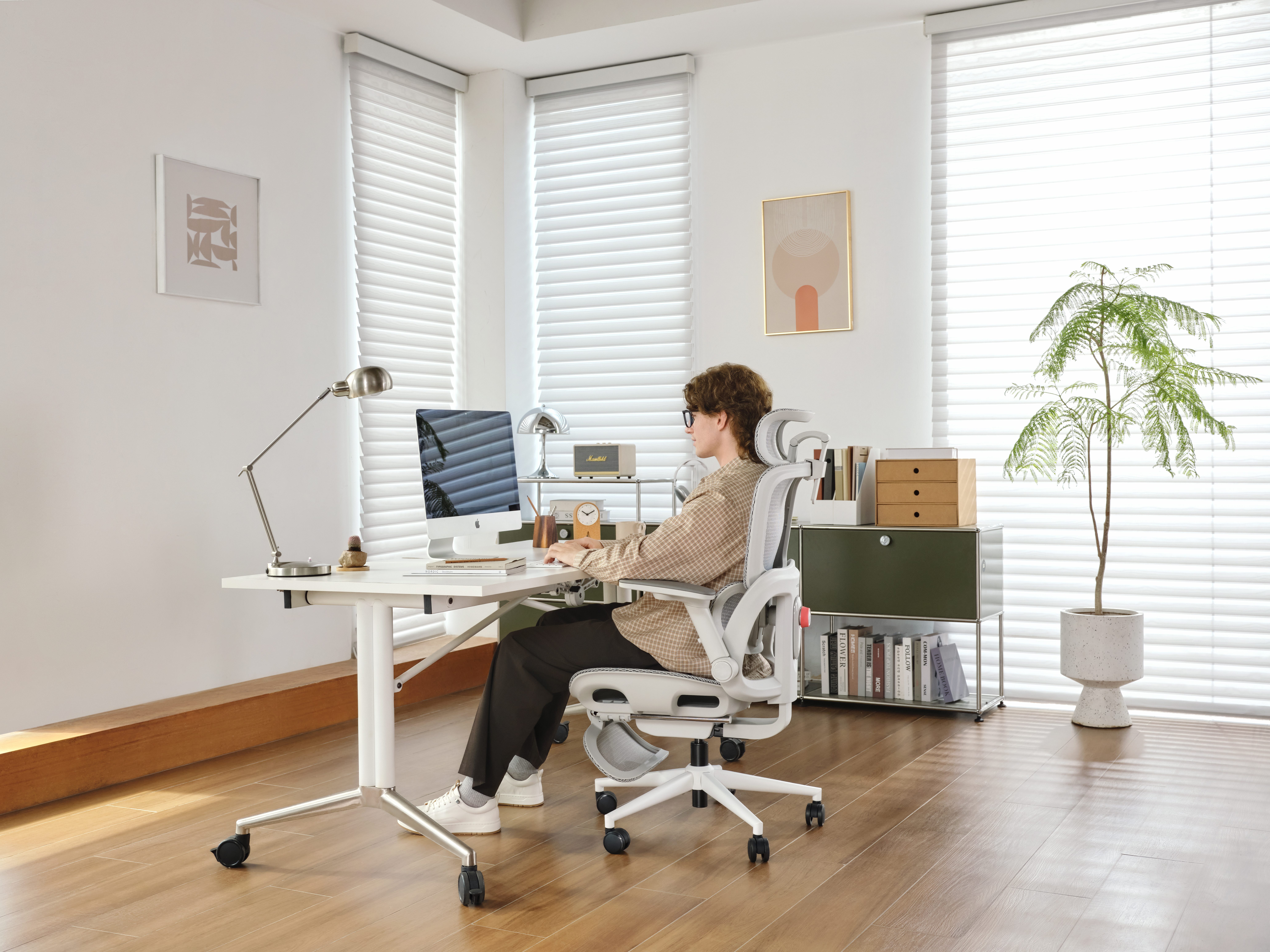
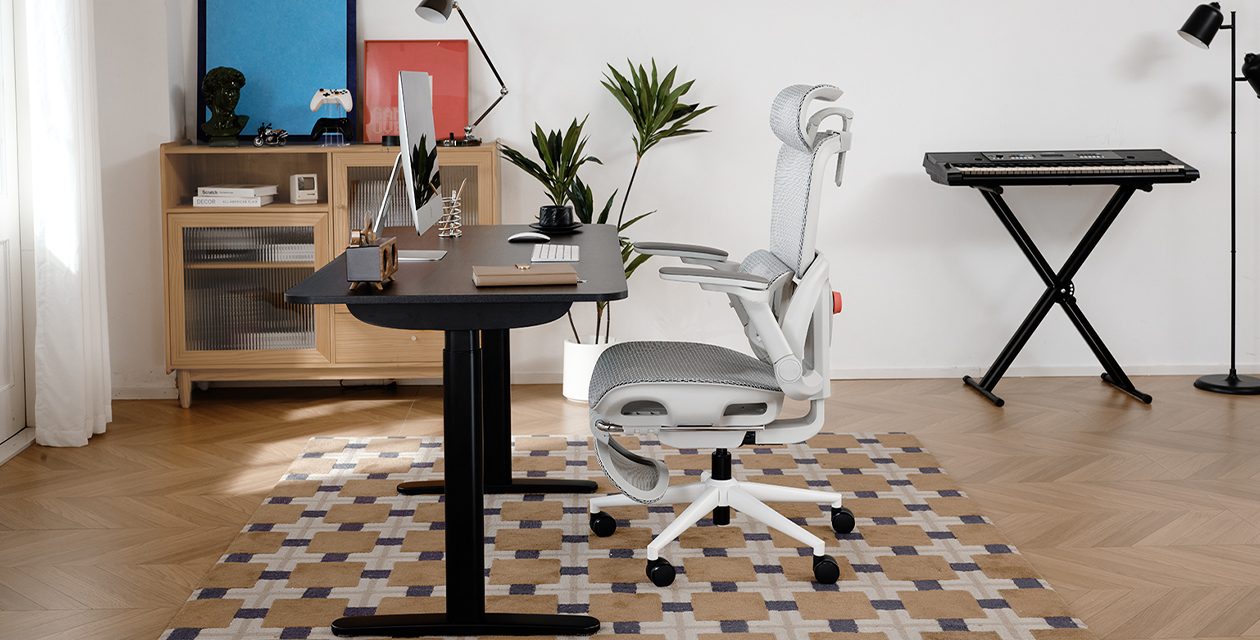
The B300 Pro differentiates itself through its multi-dimensional support architecture. Central to its design is the 4D MicroFit Lumbar Support system. Unlike standard fixed-back chairs, this system allows for granular adjustments in both height and depth. This movement is critical, as it ensures that the lower back remains supported even when a user shifts their posture from a focused, upright typing position to a relaxed, reclined state.
Supporting the upper body, the chair introduces 6D All-around Armrests. In a professional workflow, the position of one’s arms dictates the alignment of the shoulders and neck. By offering rotation and vertical adjustments, the B300 Pro enables users to align their armrests precisely with their desk height and task type. Whether a user is engaged in precision photo editing, writing, or participating in video conferences on an iPad or mobile device, the ability to modify the support structure in real-time is a significant departure from legacy designs.
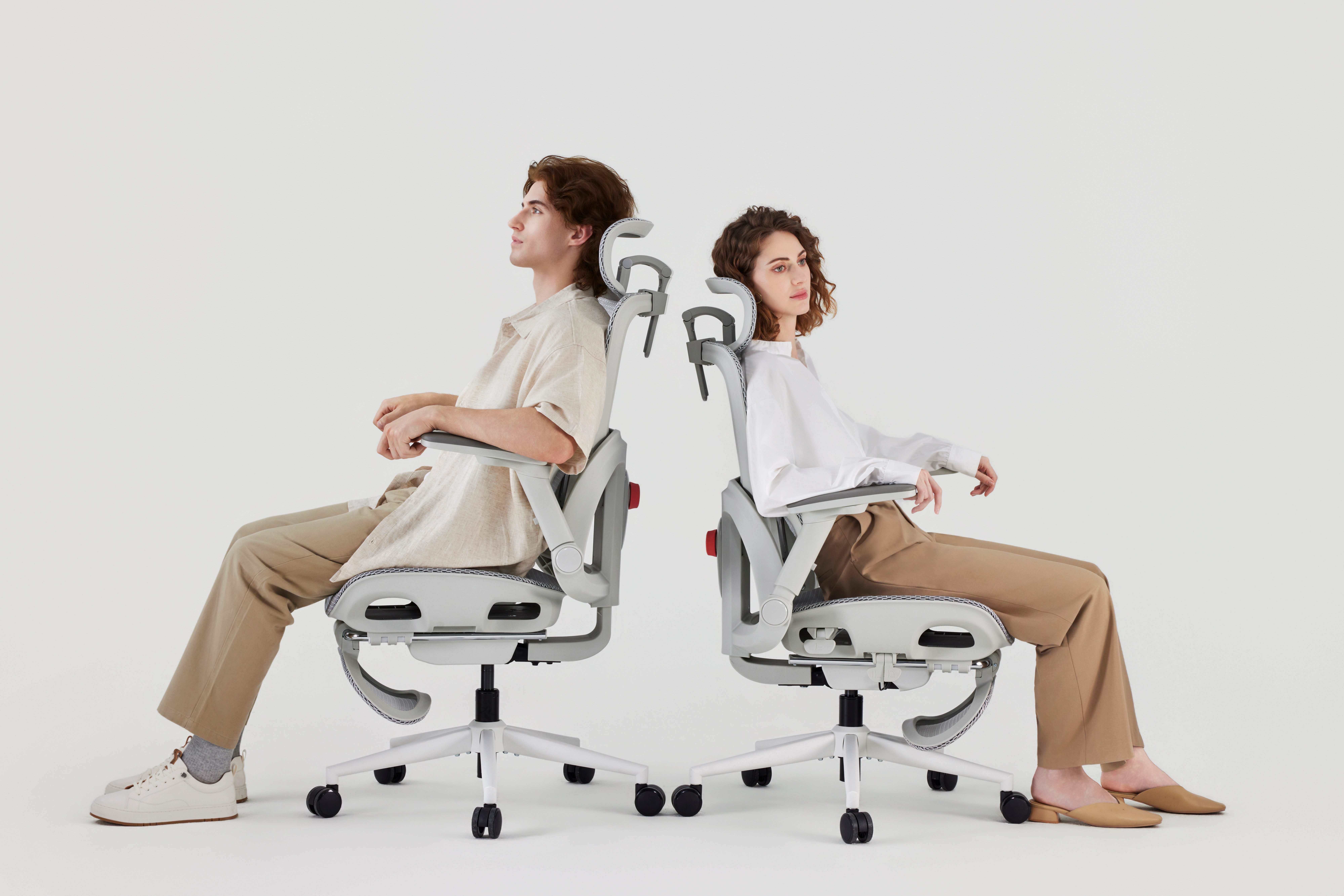
Further customization is achieved through the backrest and seat depth controls. The backrest provides 2.2 inches of height adjustment, while the seat depth is adjustable between 16.5 and 18.5 inches. These parameters allow the chair to accommodate a wider range of body heights, ensuring that the seat edge does not compress the underside of the thighs—a common issue that can lead to nerve pressure and restricted blood flow.
The Science of Intelligent Recline and Material Selection
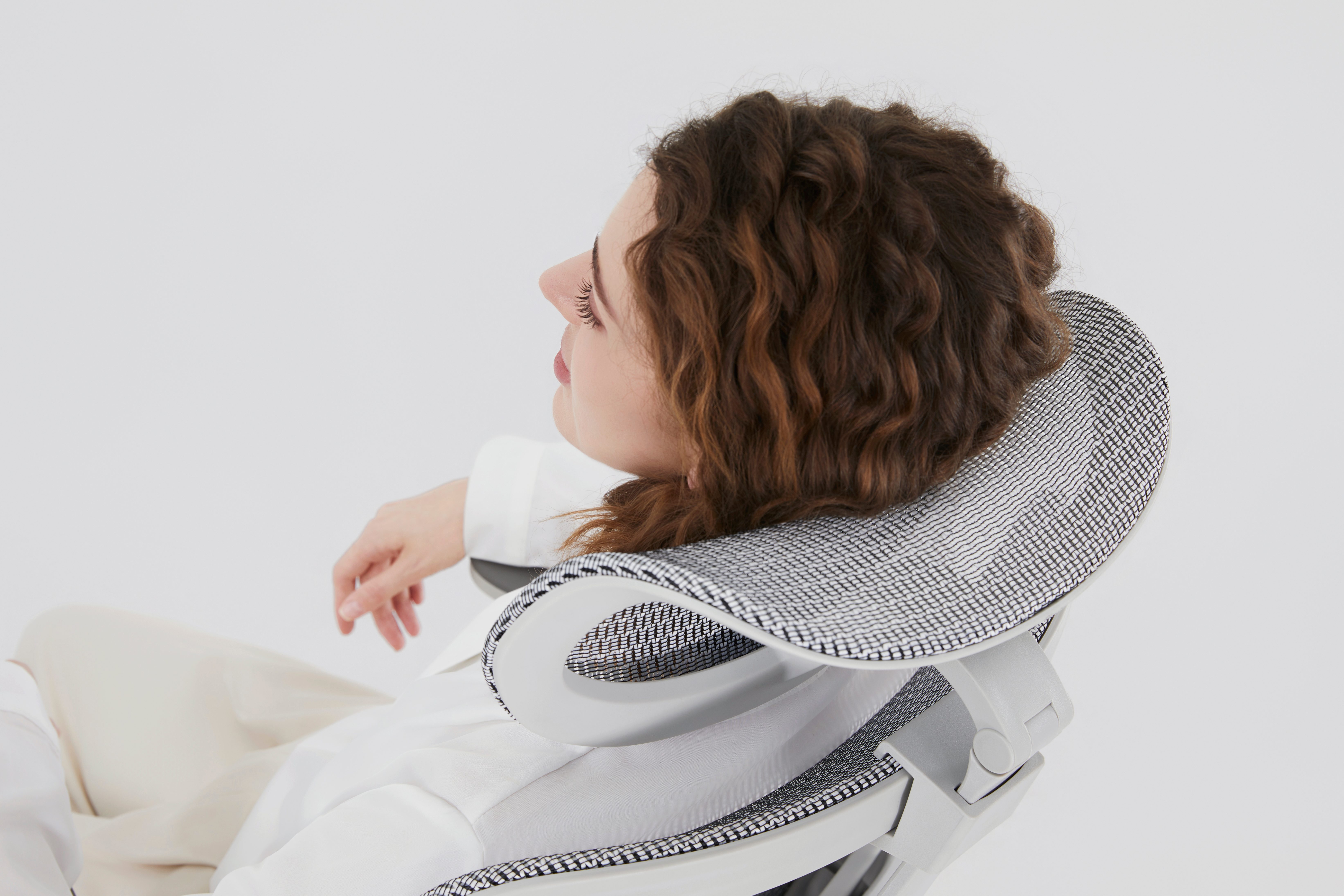
An often-overlooked aspect of chair design is the recline mechanism. The B300 Pro utilizes a weight-adaptive system that automatically calculates resistance based on the user’s weight. This ensures that the transition between sitting upright and reclining feels fluid and controlled, rather than abrupt. With three locking positions—105, 120, and 135 degrees—the chair supports different phases of the workday: from high-intensity output to contemplative periods of research or review.
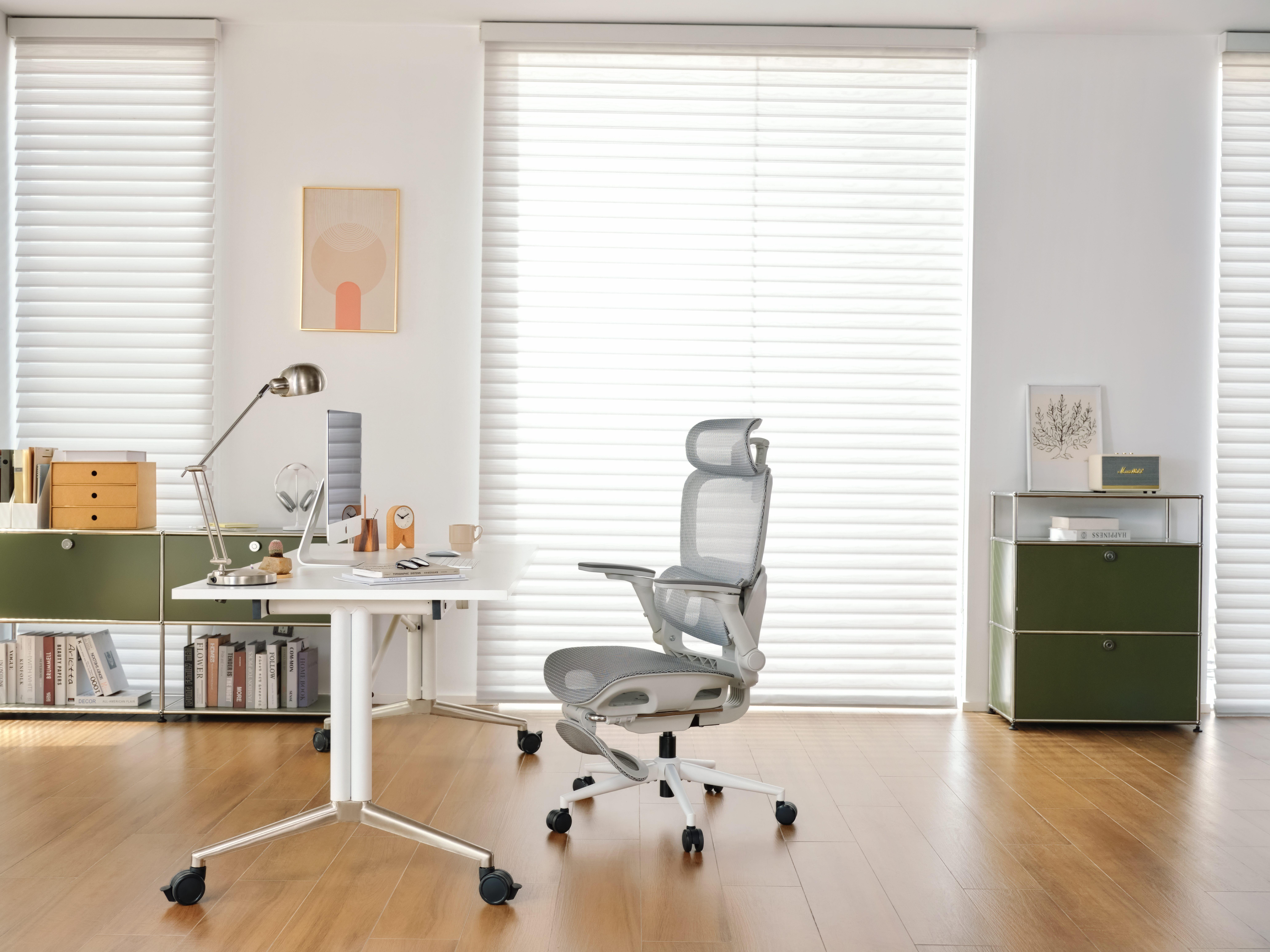
The choice of materials also reflects a commitment to long-term usability. The inclusion of premium, breathable mesh is a functional decision aimed at thermal regulation. Mesh seating allows for continuous airflow, reducing the heat retention associated with traditional foam or leather upholstery. For professionals who spend upwards of eight to ten hours at their desks, this material choice is essential for maintaining comfort throughout the day, preventing the discomfort caused by moisture buildup.
Market Context and Economic Implications
The market for ergonomic furniture has seen a significant surge in demand since 2020, as the global workforce transitioned to hybrid and remote models. Analysts note that consumers are increasingly viewing high-end office chairs as long-term health investments rather than mere utility purchases. The pricing strategy for the B300 Pro, currently positioned at $269.99 (with further discounts available through promotional codes like SIHOO9to5M, reducing the cost to $253.79), reflects a competitive approach to the "prosumer" market.
By providing features previously reserved for chairs in the $800 to $1,500 range, Sihoo is effectively democratizing ergonomic access. This shift is expected to pressure legacy furniture manufacturers to innovate more rapidly in the sub-$300 segment. While traditional heavyweights in the industry—such as Herman Miller or Steelcase—remain the gold standard for institutional settings, brands like Sihoo are capturing a growing share of the individual consumer market by prioritizing feature-to-price ratios.
Broader Impact on Workplace Wellness
The long-term implications of using properly adjusted, ergonomic seating are well-documented in occupational health literature. Studies have consistently shown that correct lumbar support and seat depth reduce the incidence of work-related musculoskeletal disorders (WMSDs). By enabling the user to fine-tune their environment, the B300 Pro acts as a preventative tool.
However, equipment is only one component of a healthy workstation. Experts suggest that even with an ergonomically superior chair, users must engage in "active sitting" habits, such as standing periodically, performing neck stretches, and maintaining a proper eye-level display height. The B300 Pro supports these habits by making the transition between different sitting postures seamless.
Synthesis of Design and Utility
The design philosophy behind the B300 Pro suggests that the chair is intended to be a silent partner in the creative and professional process. By removing the physical distractions caused by discomfort, it allows for a more sustained "flow state." The integration of 6D armrests, for example, is not merely a feature for luxury; it is a solution for the modern multi-device user. In an era where a single desk might hold a high-end Mac, an iPad, and various peripherals, the ability to quickly pivot one’s physical orientation without compromising support is invaluable.

The technical specifications provided by the manufacturer highlight a rigorous approach to manufacturing. The emphasis on durable mesh, a weight-sensitive recline mechanism, and a frame designed for structural integrity suggests that the B300 Pro is intended for longevity. For those assembling a new home office or upgrading an existing one, the chair serves as a central hub for physical comfort.
Conclusion and Availability
As the definition of the "office" continues to expand, the tools we use to navigate our workdays must become more adaptable. The Sihoo B300 Pro represents a synthesis of technical engineering and user-focused design. By providing a suite of adjustable features—from 4D lumbar support to 6D armrests—the product acknowledges that the user’s needs are dynamic and change throughout the day.

For consumers seeking to integrate this equipment into their professional lives, the B300 Pro is currently available through the official Sihoo store and the Amazon marketplace. The combination of its current promotional pricing and its extensive feature set makes it a compelling entry point for those looking to prioritize their long-term health while optimizing their workstation for maximum efficiency. As industry trends continue to favor personalized, modular, and high-performance home office gear, the Sihoo B300 Pro sets a clear precedent for what users should expect from their seating solutions in the coming years. By prioritizing the user’s physical interaction with their desk space, Sihoo has positioned its latest model as a significant contender in the evolving landscape of modern ergonomic design.