Apple Prepares Significant iPad mini Overhaul Featuring OLED Display and A20 Pro Silicon


For the first time since 2021, Apple is poised to introduce a comprehensive hardware overhaul of the iPad mini, marking the most significant evolution of the small-form-factor tablet in half a decade. Industry reports and supply chain insights suggest that the upcoming iteration will transition to OLED display technology while debuting the A20 Pro chipset, representing a major strategic shift in Apple’s mobile computing lineup. This refresh, the first since 2024, aims to reposition the iPad mini as a high-performance, durable, and AI-capable device for professional and casual users alike.
Chronology of the iPad mini Lineage
The iPad mini has maintained a unique position within Apple’s ecosystem since its inception in 2012. Originally marketed as a portable alternative to the standard iPad, the device has undergone several key transitions. The 2019 refresh brought Apple Pencil support, while the 2021 model introduced the modern, bezel-less design language that remains current. The 2024 update provided a necessary, albeit modest, internal specification boost.
The current development cycle, culminating in a 2026/2027 release window, represents a departure from the incremental updates of recent years. By integrating OLED technology and the A20 Pro, Apple is effectively narrowing the performance gap between the portable mini series and the flagship iPad Pro line. This strategy reflects a broader corporate trend of ensuring all hardware tiers are equipped to handle intensive on-device machine learning tasks.

The Shift to OLED Technology
The most anticipated feature of the next-generation iPad mini is the adoption of an OLED display. While technical specifications remain subject to final production decisions, sources indicate that this will not be the "Tandem OLED" architecture currently utilized in the premium 11-inch and 13-inch iPad Pro models. Tandem OLED, which stacks two layers of organic light-emitting diodes to achieve extreme brightness and longevity, is likely to remain a high-end differentiator for the Pro series.
Instead, the iPad mini is expected to utilize a standard single-layer OLED panel. Despite the lack of tandem technology, users should expect a substantial improvement over the existing Liquid Retina LCD panels. OLED inherently provides deeper black levels, near-infinite contrast ratios, and more precise color reproduction.
However, a point of ongoing debate among analysts is the inclusion of ProMotion. Apple’s 120Hz variable refresh rate technology has become a hallmark of its professional devices. If the new iPad mini remains at a 60Hz refresh rate, it would likely be a strategic decision to maintain product tier segmentation, though it would potentially alienate users who utilize the device for high-frame-rate gaming or professional drawing. Market analysts suggest that keeping the refresh rate at 60Hz would be a significant missed opportunity for a device being marketed as a premium portable powerhouse.
Performance Architecture: The A20 Pro and 12GB of Memory
Central to the upcoming iPad mini is the rumored inclusion of the A20 Pro chip. This represents a generational leap from the current A17 Pro, which currently powers the device with 8GB of RAM. The shift to the A20 Pro, likely paired with 12GB of unified memory, is primarily driven by the requirements of Apple’s evolving AI suite.
Current on-device language models require significant memory bandwidth and computational overhead to operate smoothly. By increasing the memory to 12GB, the new iPad mini will be capable of processing more complex Siri AI queries and local machine learning tasks without relying on cloud-based processing. This is a critical development for privacy-conscious users and those working in environments with inconsistent network connectivity.
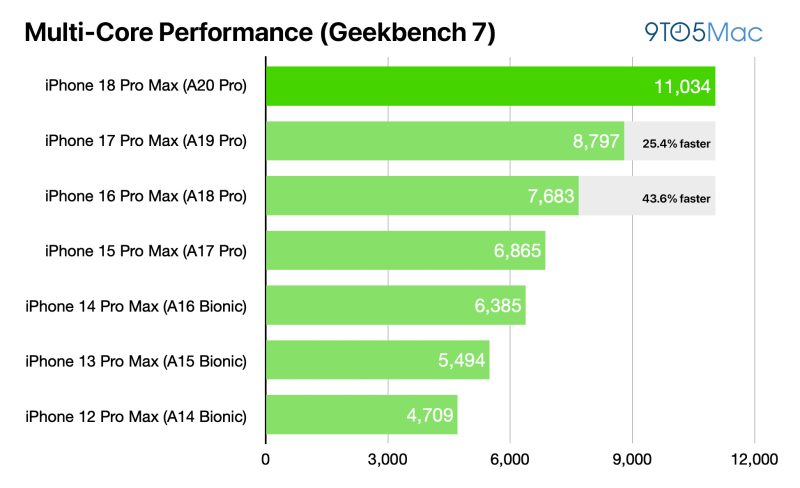
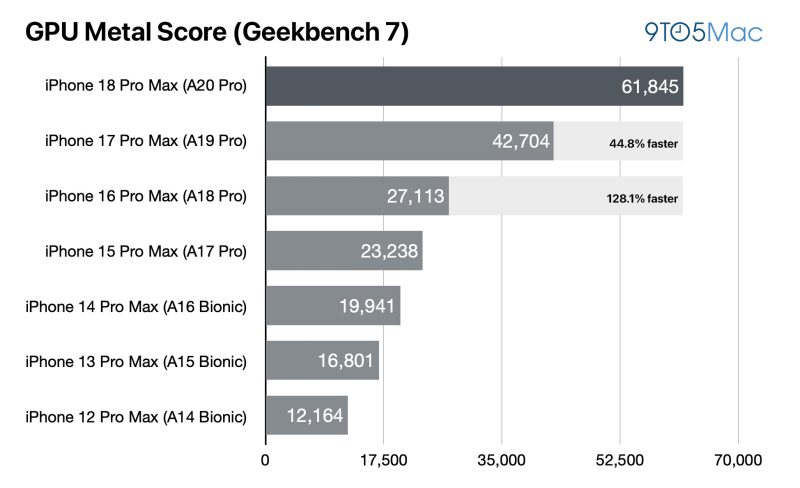
Performance projections for the A20 Pro suggest a substantial improvement in overall silicon efficiency. Industry benchmarks derived from early testing data indicate a roughly 60% increase in multi-core CPU performance compared to the A17 Pro. Perhaps more impressive is the projected 166% improvement in GPU performance. This massive jump in graphical throughput positions the iPad mini as a highly capable machine for mobile creative work, video editing, and high-fidelity gaming, effectively making the small device a portable console-level gaming machine.
Structural Innovation: Introducing Water Resistance
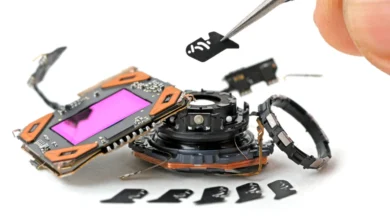
In a move that could fundamentally change how users interact with their tablets, Apple is reportedly developing the first water-resistant iPad. Engineering a water-resistant chassis for a device of this size requires significant changes to the acoustic components and the physical port architecture.
Reports suggest that the internal speaker modules have been completely redesigned to prevent water ingress while maintaining sound quality. Achieving an IP68-like rating—or a similar standard—would make the iPad mini significantly more durable for outdoor use, travel, or use in environments such as kitchens or near swimming pools. This shift signals Apple’s intention to broaden the "use-case" profile of the mini, moving it beyond the desk and into more rugged, real-world environments.
Economic Implications and Pricing Strategy
One of the most contentious aspects of this upgrade is the projected pricing. According to insights shared by industry analysts, including Mark Gurman of Bloomberg, the combination of advanced OLED panels and the latest Pro-series silicon will necessitate a significant price hike.
The current iPad mini enters the market at a $599 starting price point. The next-generation model is rumored to potentially start at $799. This $200 premium is a substantial increase that may challenge the device’s historical positioning as an "entry-to-mid-level" tablet.
The economic rationale for this price jump lies in the rising cost of high-quality OLED displays and the increased complexity of the A20 Pro manufacturing process. Furthermore, the inclusion of 12GB of RAM represents a higher bill-of-materials (BOM) cost for Apple. There is, however, an expectation among consumer advocates that the base storage configuration should be increased to 256GB to justify the higher barrier to entry. If Apple maintains a 128GB base storage at the $799 price point, it will likely face criticism regarding the value proposition of the device.
Strategic Context and Market Impact
The decision to overhaul the iPad mini is part of a broader consolidation of Apple’s tablet strategy. By standardizing high-end features like OLED and advanced silicon across more of its lineup, Apple is attempting to mitigate the stagnation in the tablet market. The iPad mini occupies a specific niche: it is small enough to be held with one hand, yet powerful enough to perform tasks previously reserved for larger, heavier laptops.

For professional creators, the combination of the A20 Pro and the improved display could make the iPad mini an essential "sidecar" device. For the average consumer, the shift toward a more durable, water-resistant design enhances the longevity of the product.
However, the risk remains that by pushing the price toward the $800 threshold, Apple may limit the device’s audience. The iPad mini has historically been a popular choice for students, pilots, and field technicians who prioritize portability. If the device shifts into a premium luxury category, Apple will need to ensure that the user experience—specifically regarding software features like AI integration—is robust enough to warrant the cost.
Looking Ahead
As of late 2026, the technology community is awaiting formal confirmation from Apple regarding the official announcement date. Historically, Apple has favored autumn events for its mobile hardware refreshes, though the company has been known to update the iPad lineup via press releases in the spring.
Regardless of the release date, the trajectory is clear: the iPad mini is moving from a secondary companion device to a primary, high-performance computing tool. With the integration of the A20 Pro, OLED visuals, and a new, durable chassis, the upcoming iPad mini is poised to set a new standard for compact tablets, provided that the market is willing to accept the higher price point accompanying these technological advancements. The success of this product will serve as a bellwether for how much the modern consumer is willing to pay for premium, portable, and AI-enabled hardware in an increasingly competitive landscape.