Spotify expands AI DJ customization to offer personalized voices and reduced commentary options for premium subscribers


The landscape of digital music consumption underwent a significant transformation today as Spotify announced a comprehensive update to its AI-powered DJ feature. The update, which arrives as part of a broader strategy to deepen user engagement through artificial intelligence, introduces a variety of new vocal personas and, perhaps more significantly, grants listeners granular control over the frequency and intensity of the DJ’s commentary. For Spotify’s Premium subscriber base, these enhancements represent a shift from a "one-size-fits-all" automated radio experience to a highly tailored, user-defined listening environment.
A New Era of Personalization
The core value proposition of Spotify’s AI DJ has always been its ability to curate a personalized mix that balances familiar favorites with music discovery. By leveraging Generative AI—built upon OpenAI’s sophisticated technology—the feature analyzes a user’s long-term listening history, current trends, and genre preferences to act as a virtual radio host.
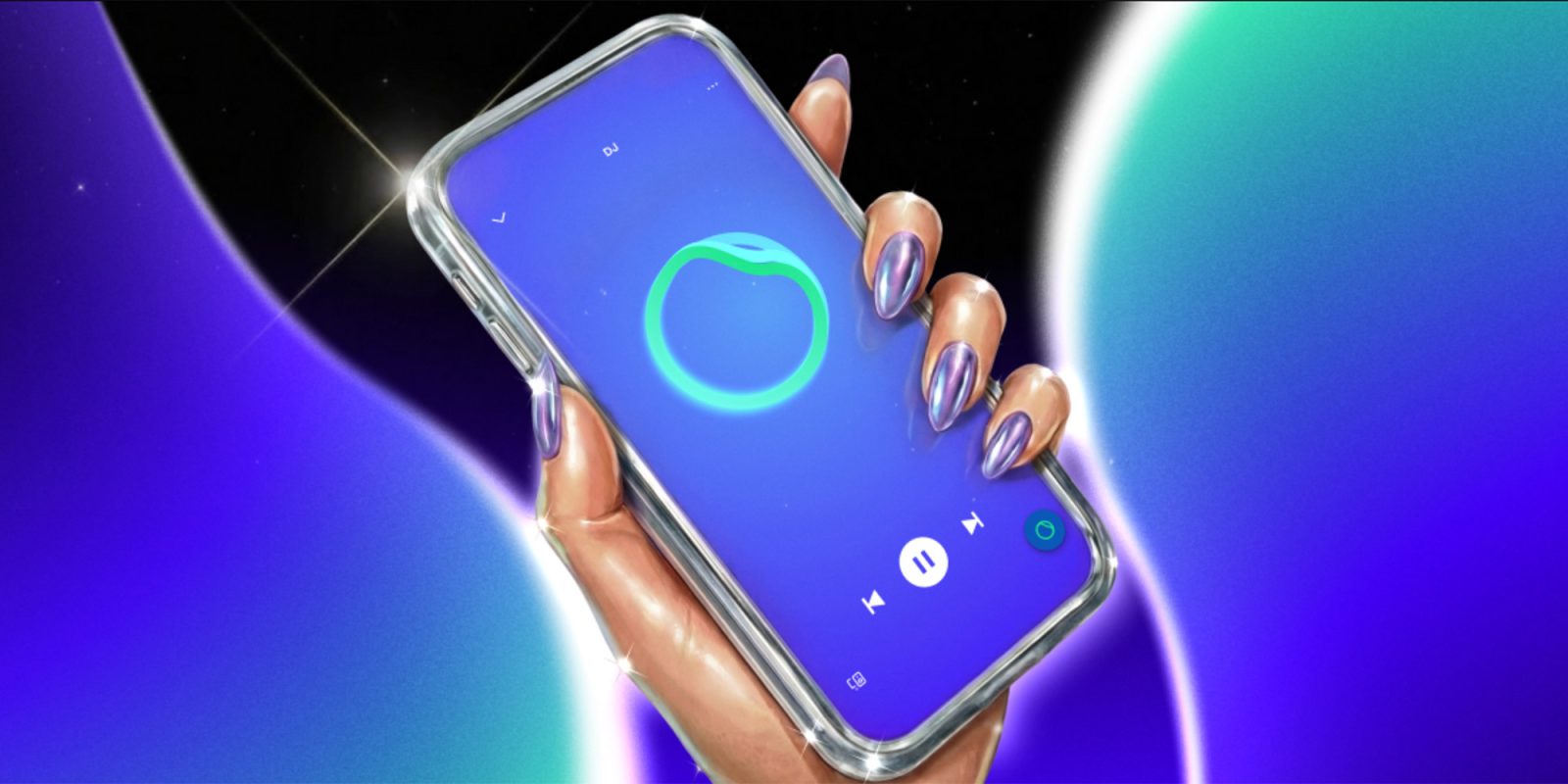
With this latest iteration, the company is addressing one of the most common pieces of user feedback: the desire for more variety in the voice of the host and the ability to dictate the pacing of the interaction. Users now have access to nine distinct DJ voices: seven in English and two in Spanish. The English-language options reflect a diverse array of global accents, including American, British, Irish, Australian, and Indian, allowing users to select a companion that feels more resonant with their personal identity or preferences.
Beyond the aesthetics of the voice, Spotify has implemented a functional control mechanism that allows users to toggle the "chatter" level. For listeners who enjoy the human-like context provided by the DJ—such as anecdotes about an artist’s history or the reason a song was selected—the standard experience remains. However, for those who prefer an uninterrupted musical flow, the new "less talk" mode restricts the DJ’s intervention to minimal acknowledgments, primarily appearing when a session is initialized or when a user manually requests a change in music direction.
Chronology of the AI DJ Evolution
To understand the significance of this update, it is necessary to examine the rapid development cycle of the tool since its inception. Spotify has been aggressive in its pursuit of AI-driven features to differentiate itself from competitors like Apple Music and Amazon Music.
- February 2023: Spotify officially unveils its AI DJ in beta, promising a dynamic, personalized radio station that combines music curation with a synthetic, AI-generated voice.
- May 2025: The company introduces an interactive version of the DJ, moving beyond a passive listening experience by allowing users to provide direct feedback and make specific requests, such as asking the DJ to play a specific mood or genre.
- October 2025: Recognizing the global nature of its platform, Spotify expands language support to include Spanish, effectively broadening the reach of the AI to a significant portion of its Latin American and Spanish-speaking European user base.
- May 2026: In a massive scaling effort, the feature is rolled out to more than 75 countries. This expansion included support for French, German, Italian, and Brazilian Portuguese, signaling Spotify’s intent to make the AI DJ a standard global utility rather than a regional novelty.
- November 2026: The current update introduces vocal diversity and user-controlled commentary density, marking a transition from functional expansion to refinement of the user experience.
Technical Context and Data
The underlying architecture of Spotify’s DJ relies on a complex stack of machine learning models. The system does not merely shuffle tracks; it employs a recommendation engine that assesses the emotional resonance of a song, its tempo, and the likelihood that a user will enjoy a specific sub-genre based on their historical skips, saves, and repeat listens.
When the DJ speaks, the system utilizes high-fidelity text-to-speech (TTS) models that have been trained on human voices. By offering these new accents, Spotify is likely utilizing advanced voice synthesis techniques that allow for greater emotive range without requiring thousands of hours of new studio recording time from human actors. This efficiency is critical, as it allows for the rapid scaling of localized content across the 75+ markets where the service is currently active.
Furthermore, the introduction of the commentary toggle is an acknowledgment of the "friction" inherent in automated voice assistants. Data from user surveys and in-app feedback forms consistently indicated that while many users appreciate the personality of the DJ, the commentary can occasionally feel intrusive during high-focus tasks like working or exercising. By adding this control, Spotify is essentially optimizing the "signal-to-noise" ratio of the user’s daily listening habits.
Official Statements and Strategic Intent
In the company’s official "For the Record" announcement, Spotify’s product team emphasized that the goal is to bridge the gap between algorithmic coldness and the warmth of traditional broadcast radio. "Our listeners have told us that the DJ feels like a friend," noted a spokesperson, "and just like any friend, you want to be able to talk to them in a way that fits your mood. Whether you want a deep dive into the history of your favorite band or just want the music to keep playing without interruption, these tools give you that power."

Industry analysts view this move as a strategic necessity. As music streaming reaches saturation in many Western markets, the battle for "share of ear" has become increasingly competitive. By increasing the stickiness of the app through personalization, Spotify reduces the likelihood of churn. If a user feels that the DJ "knows" them, they are less likely to migrate their playlists to a competitor.
Broader Implications for the Audio Industry
The evolution of Spotify’s AI DJ signals a broader trend in the tech industry: the transition from "AI as a tool" to "AI as a companion." The ability to customize a voice—and, by extension, the perceived personality of a digital assistant—is becoming a standard expectation for premium digital services.
This update also sets a benchmark for the podcast and radio industries. If an AI can effectively mimic the rapport of a terrestrial radio host while providing hyper-personalized music curation, traditional broadcast models face increasing pressure to innovate. The potential for the AI DJ to eventually include "guest hosts" or specific curated content from artists themselves is a logical next step, potentially creating a new revenue stream where artists pay or partner with Spotify to have their likeness or voice used to promote their own new releases.
However, the shift also highlights the ethical and technical challenges of synthetic media. As Spotify continues to refine these voices, the distinction between human and machine becomes increasingly blurred. While the company has been transparent about the AI nature of the DJ, the increasing realism of these voices necessitates a continued focus on user trust and clear disclosure.
Looking Ahead
The rollout of these features is currently restricted to Spotify Premium subscribers in supported markets, underscoring the company’s strategy of gating high-value, high-compute AI features behind its subscription tier. As these technologies become more cost-effective to run, it is probable that similar features will be tested for the ad-supported tier, though the complexity of the AI infrastructure suggests a tiered rollout is likely for the foreseeable future.

For now, the integration of new accents and the ability to control chatter volume marks a significant milestone in the maturation of the AI DJ. It represents a move toward a more human-centric interface, one that respects the autonomy of the listener while still providing the convenience of automated music curation. As users begin to experiment with the new voices and settings, Spotify will undoubtedly collect further telemetry, which will inform the next iteration of this digital companion, likely leading to even more granular controls over the "vibe" and content of the AI’s discourse.
This update is not merely an addition of new audio files; it is a fundamental shift in how Spotify defines the relationship between the listener and the platform. By allowing the DJ to be as quiet or as vocal as the user desires, Spotify is ensuring that its AI remains a value-add rather than a point of frustration, solidifying its position as a leader in the integration of artificial intelligence within the global music streaming economy.