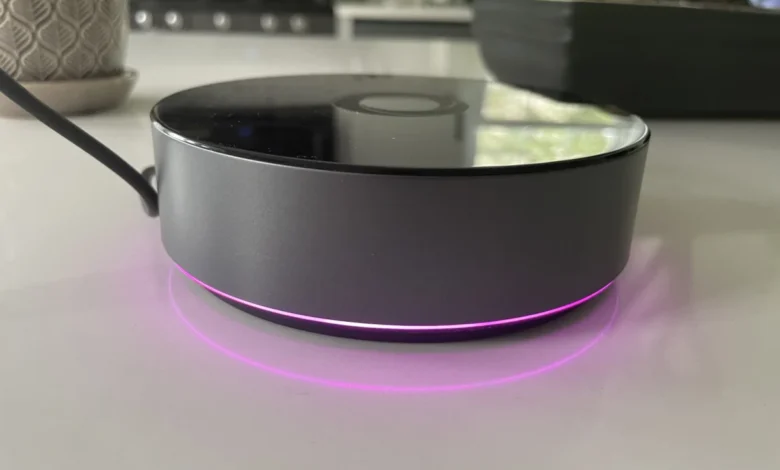
Following the successful U.S. launch of the $69 Homey Bridge, the $399 Homey Pro has officially arrived in the North American market, signaling a pivot toward more robust, local-first smart home control. While the Homey Bridge was designed as an accessible, cloud-dependent entry point, the Homey Pro is marketed as a high-performance alternative for enthusiasts seeking to move away from recurring subscription models and internet-reliant automation. However, the transition to the flagship Pro model brings with it a complex reality regarding device compatibility that potential users must navigate before committing to the premium price tag.
The Homey Pro positions itself against a backdrop of increasing consumer frustration with fragmented smart home ecosystems. As major players like Amazon, Google, and Apple continue to evolve their platforms, many users are seeking hardware that provides a centralized "brain" capable of managing diverse wireless protocols—including Zigbee, Z-Wave, and infrared—without sacrificing speed or privacy.
Chronology of the Homey Expansion
The journey of the Homey brand in the U.S. began in earnest with the introduction of the Homey Bridge in March 2023. At that time, the market reaction was largely positive, noting the simplicity of the interface, though reviewers highlighted the limitations of its cloud-centric architecture and the tiered subscription model required to unlock full functionality.
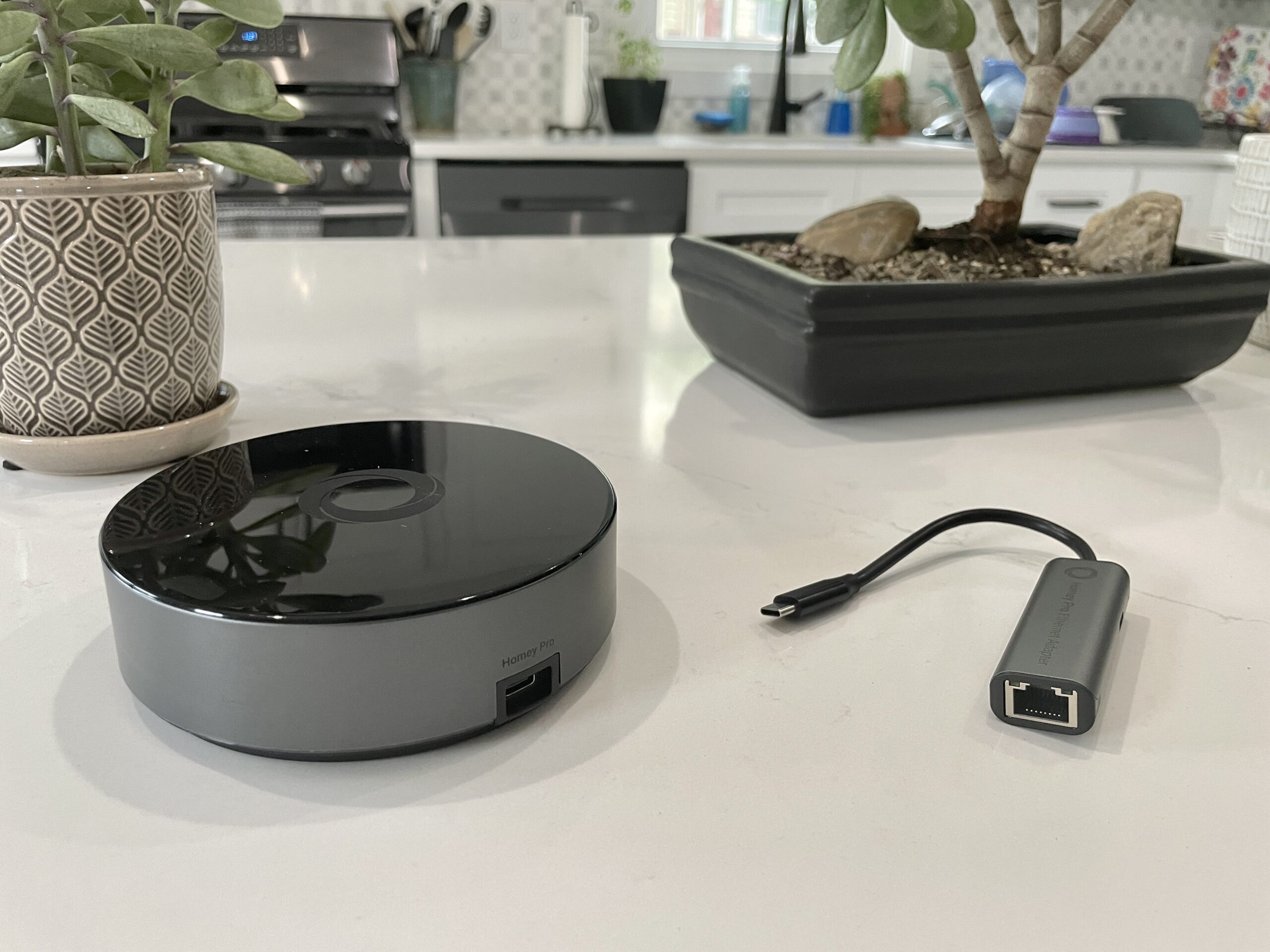
The announcement of the U.S. availability for the Homey Pro represents a maturation of the company’s strategy. By removing the subscription-based restrictions found on the Bridge and adding professional-grade features such as optional Ethernet connectivity for an additional $29, the company is clearly targeting the "prosumer" segment. This shift follows the release of the original 2019 Homey Pro model, with the current iteration boasting significant hardware upgrades: 3.5 times the CPU performance, doubled storage (8 GB), and double the memory (2 GB) compared to the Bridge.
Technical Specifications and Local Control
The defining characteristic of the new Homey Pro is its emphasis on local processing. Unlike the Bridge, which relies on cloud servers to execute commands and maintain device states, the Pro keeps the vast majority of operations on the device itself. From a privacy and reliability standpoint, this is a significant advantage. If a household experiences an internet outage, the Homey Pro continues to execute local automations, ensuring that smart lighting, locks, and climate control systems remain functional.

In terms of hardware, the device is equipped with a comprehensive suite of radios, including Wi-Fi (2.4 and 5 GHz), Bluetooth, infrared, Zigbee, Z-Wave, and the newly added Thread support. The inclusion of an 833MHz radio specifically for legacy devices underscores the company’s intent to bridge the gap between older smart home standards and modern connectivity requirements.
Compatibility Hurdles and Ecosystem Gaps
Despite its technical prowess, the Homey Pro faces a significant challenge: device support. While marketing materials suggest compatibility with over 50,000 devices, this figure refers to the broad ecosystem of supported brands and apps rather than an exhaustive list of every specific product within those lines.
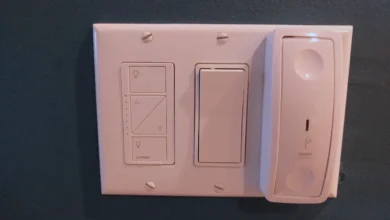
During testing, several common consumer devices presented integration challenges. For instance, while many Lutron Caseta switches, Philips Hue bulbs, and Sonos speakers integrated seamlessly, other popular hardware—such as specific models of Schlage door locks, Ecobee thermostats, and various Govee products—either failed to connect or returned error messages during the authentication process.

A critical nuance has emerged regarding the Matter standard. While the Homey Pro is designed to support Matter, the current implementation has limitations. Specifically, Matter-over-Thread devices often fail to register, whereas Wi-Fi-based Matter devices are generally more successful. This discrepancy is a point of contention for users who have invested in newer smart home technologies, as it highlights that being "Matter-ready" does not equate to universal compatibility with all Matter-certified devices.
Official Responses and Manufacturer Guidance
In response to these compatibility reports, representatives from Homey have clarified that the integration landscape is dynamic. Users are encouraged to visit the official Homey App store portal, where individual apps—developed either by Homey or the community—serve as the drivers for device compatibility. The company maintains that if a specific device is not working, it is often due to the limitations of the specific API integration rather than a lack of capability on the hub itself.
Furthermore, Homey representatives have noted that the device is built as a Node.js server. For advanced users and developers, this means the platform is highly extensible. The company provides API keys and documentation, allowing users with programming experience to write their own integrations. While this empowers a niche group of enthusiasts, it remains a high barrier for the average consumer who expects a "plug-and-play" experience.

The Role of Energy Management and Advanced Automation
One of the most praised aspects of the Homey Pro is its energy monitoring capabilities. By allowing users to input the wattage of their devices, the hub provides real-time and historical energy consumption data. In cases where the hardware supports direct reporting, the Homey Pro captures that data automatically. This feature, combined with the ability to adjust energy estimates based on dimming levels for smart lights, provides a level of insight that few other consumer hubs currently offer.
Automation on the platform is handled through "Flows." These are sophisticated logic-based structures that allow for "When," "And," and "Then" conditions. This architecture is significantly more flexible than the standard routines found in platforms like Amazon Alexa or Google Home. For those seeking even greater control, an advanced web-based interface allows for complex logic, nested triggers, and secondary conditions, mirroring the power found in open-source platforms like Home Assistant.
Broader Market Implications
The launch of the Homey Pro in the U.S. arrives at a pivotal time for the smart home industry. As consumers grow wary of "walled gardens" and the potential for cloud services to be sunsetted or paywalled, the demand for local, platform-agnostic controllers is rising.

However, the $399 price point places the Homey Pro in direct competition with established DIY solutions and professional-grade automation systems. For the product to succeed, the company must address the "support gap" where popular, mainstream devices—such as newer iterations of smart thermostats or specialized sensors—are not immediately recognized by the system.
Ultimately, the Homey Pro offers a compelling, privacy-centric alternative for users who have a high degree of technical literacy or are willing to vet their existing hardware against the specific apps available in the Homey ecosystem. For the average consumer, the path forward is clear: before investing in the hardware, prospective buyers should download the Homey app and verify that their specific devices are supported. While the potential for a unified, local, and powerful smart home is evident, the current reality requires a cautious, "verify-before-you-buy" approach. As the platform matures and software updates improve Matter implementation and broad device support, the Homey Pro may well become a cornerstone of the professional smart home market.