The Razer Hammerhead V3 HyperSpeed gaming earbuds present a mixed proposition in the competitive market for low-latency audio solutions, demonstrating competent performance in its core function but falling short in several critical areas when benchmarked against leading alternatives. While engineered to deliver ultra-low latency essential for competitive gaming, particularly on mobile platforms, their overall design, sound fidelity, and active noise cancellation (ANC) capabilities are notably inferior to top-tier rivals such as the SteelSeries Arctis GameBuds, despite being positioned at a similar price point. The earbuds’ bulky and aesthetically unrefined appearance, coupled with a less versatile audio profile and subpar noise cancellation, suggest that while they might satisfy a niche demand for extreme latency reduction, they struggle to offer the comprehensive value expected from a premium gaming peripheral brand.
Product Overview and Initial Impressions
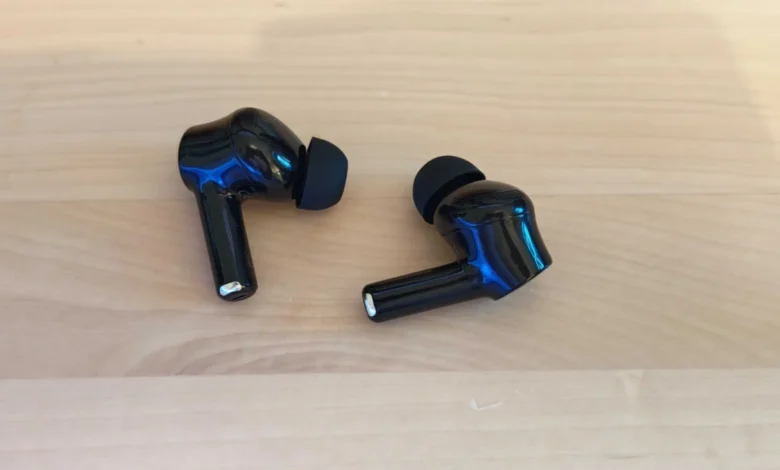
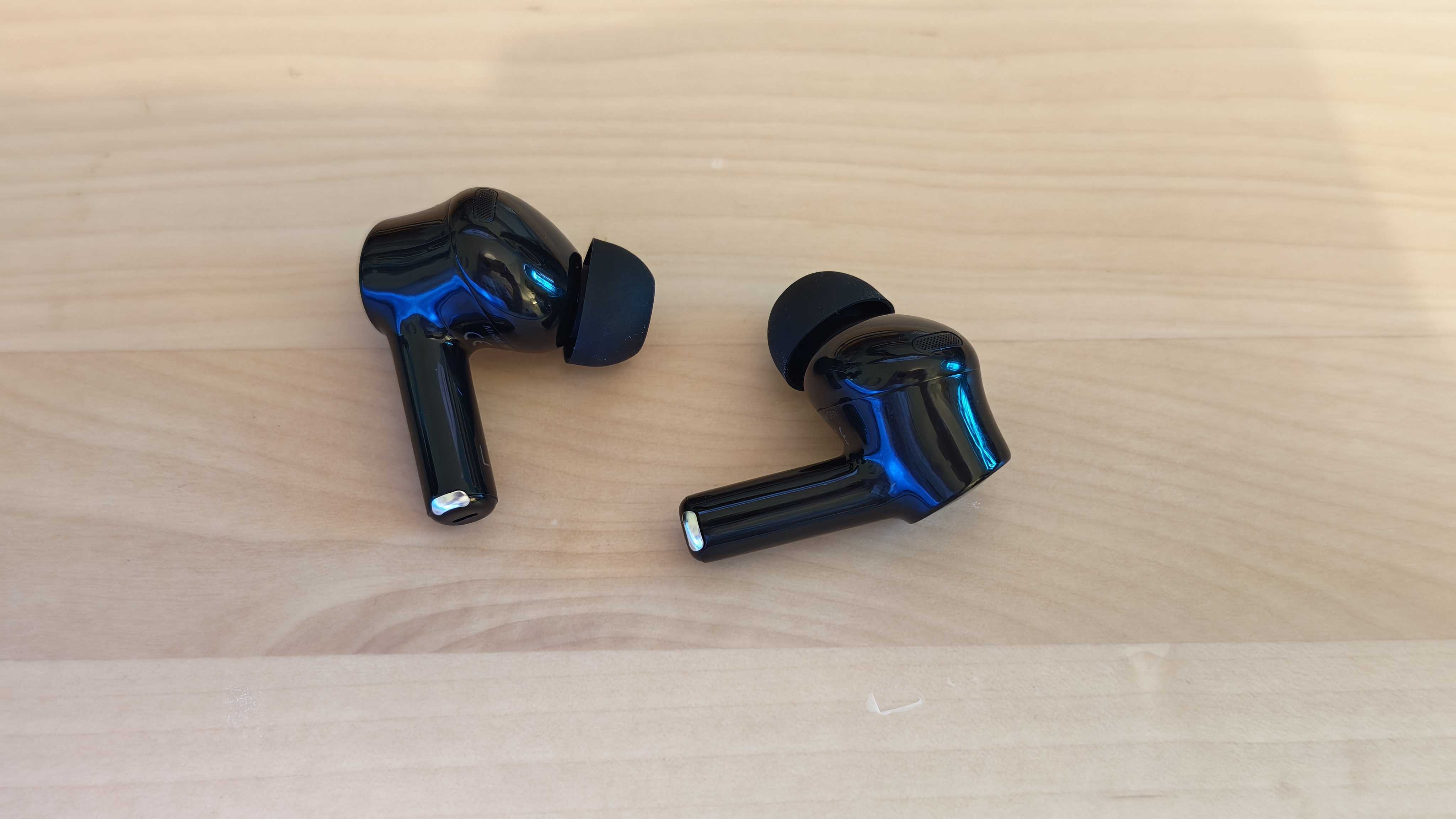
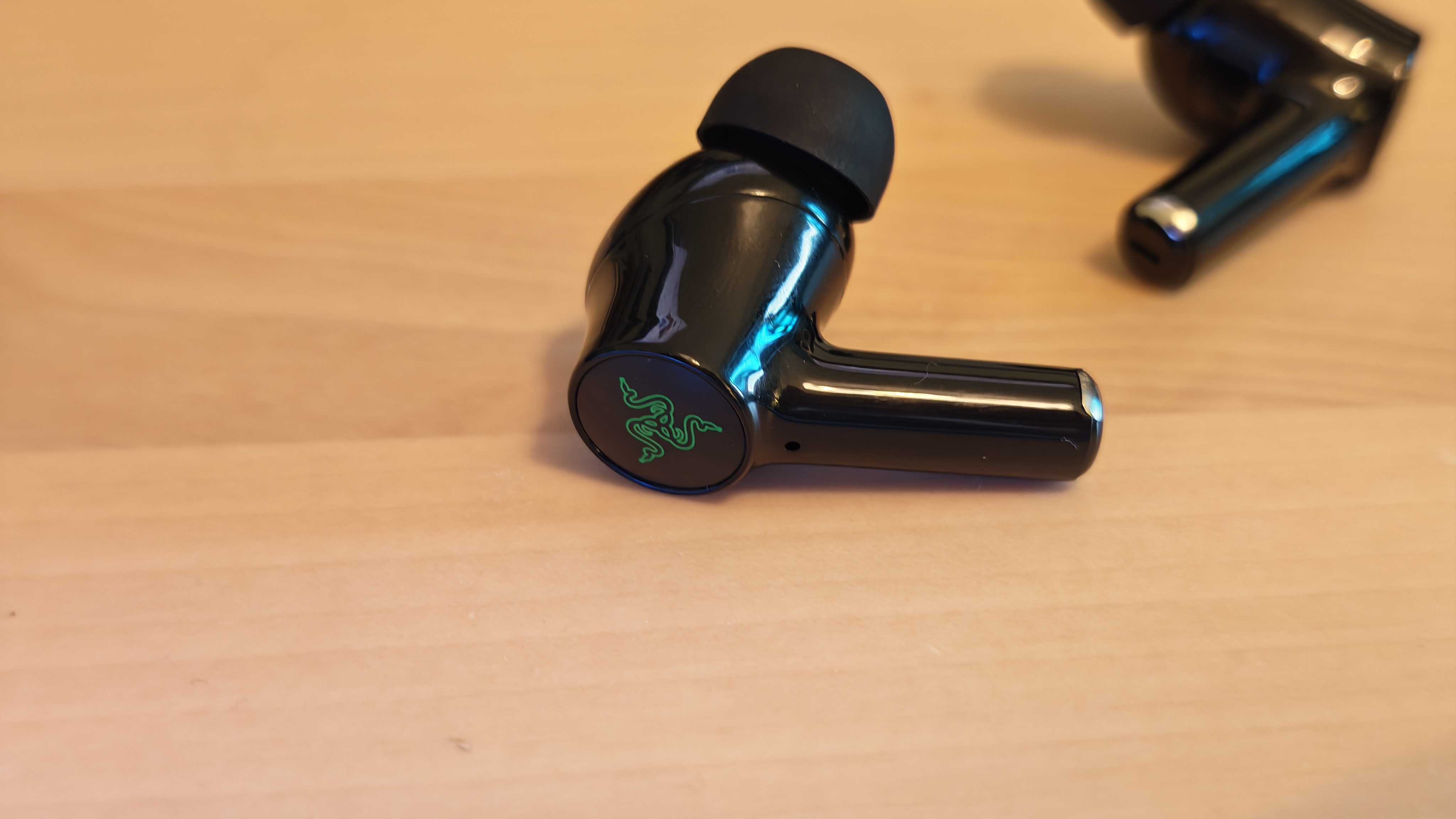
Upon unboxing, the Razer Hammerhead V3 HyperSpeed earbuds immediately convey a sense of utilitarian design over premium aesthetics. The initial reaction, often a critical indicator for consumer electronics, frequently leans towards disappointment regarding their visual presentation. Each earbud features a pronounced, bulbous form factor, drawing comparisons to an "obese AirPods" design, a stark contrast to the sleek, streamlined profiles common in modern earbud offerings. This aesthetic choice, coupled with a shiny black plastic construction, gives the impression of a product targeting a lower price segment rather than a premium gaming accessory. Even the iconic Razer logo, a hallmark of the brand’s identity, is merely a printed decal, lacking the signature Chroma RGB illumination often associated with Razer’s high-end products, a curious omission given the "Chroma" branding visible on the packaging.
Despite the uninspiring visual design, the earbuds generally maintain a reasonable level of comfort during wear, a crucial factor for extended gaming sessions. However, even when nestled in the ear, their appearance fails to match the sophisticated styling of similarly priced competitors, such as the SteelSeries Arctis GameBuds, which have garnered praise for their more refined industrial design. This divergence in design philosophy raises questions about Razer’s target demographic for this particular model, especially in a market where aesthetics increasingly influence purchasing decisions.
Technical Specifications and Connectivity Advantages
One of the most significant selling points of the Razer Hammerhead V3 HyperSpeed lies in its advanced connectivity options, particularly the integration of the latest Bluetooth 6.0 standard. This cutting-edge wireless protocol is pivotal for achieving ultra-low-latency performance, a non-negotiable feature for serious mobile gamers where milliseconds can dictate the outcome of competitive play. The reduced audio lag ensures that in-game sound cues, such as footsteps or gunfire, are heard almost instantaneously, providing a crucial tactical advantage. This positions the Hammerhead V3 HyperSpeed as a compelling choice for mobile esports enthusiasts who prioritize responsiveness above all else.
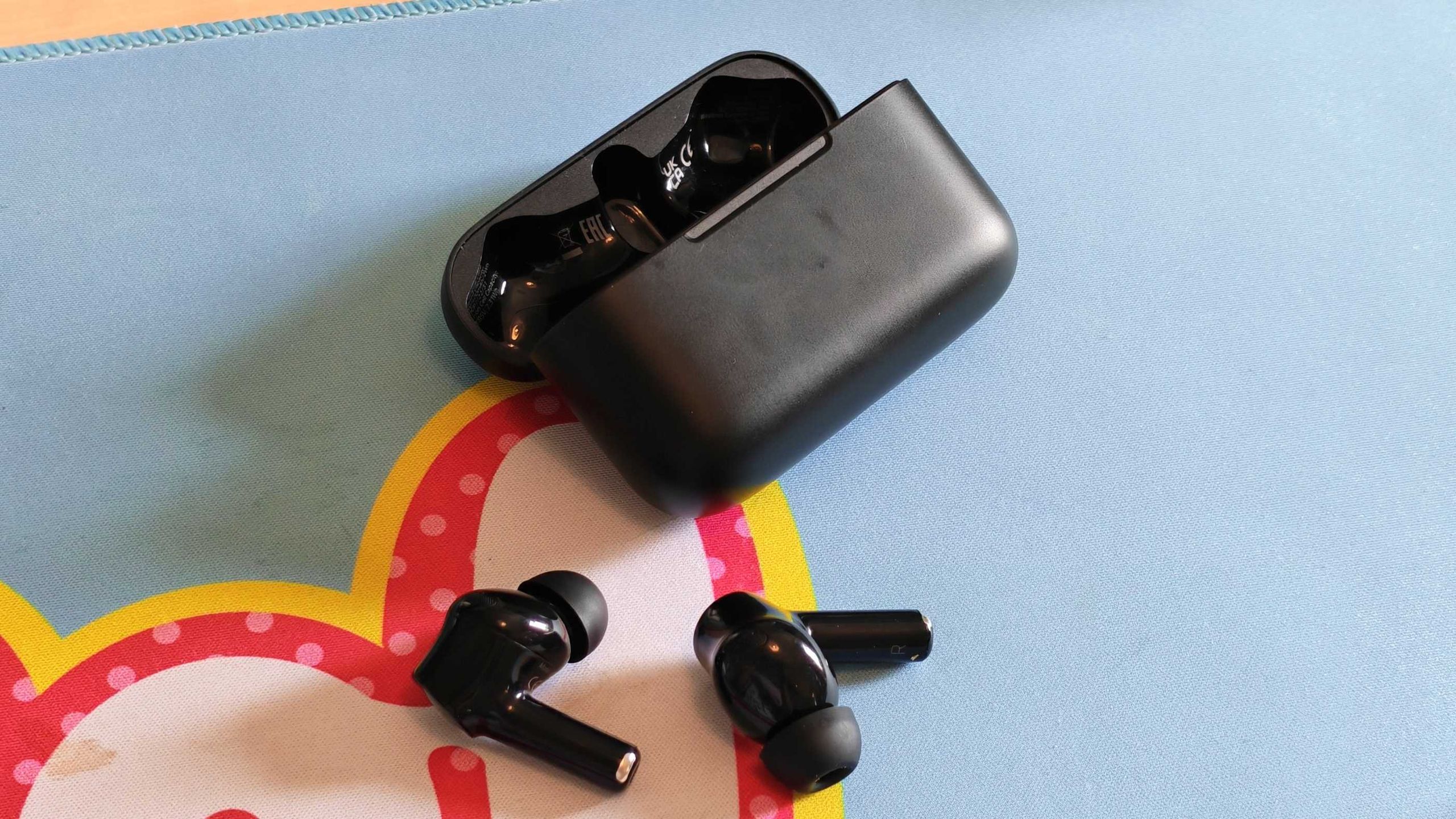
Complementing the Bluetooth 6.0 capability is the inclusion of a compact 2.4GHz Razer HyperSpeed Wireless dongle. This proprietary wireless technology further minimizes latency, offering a robust and stable connection across multiple gaming platforms. The dongle’s diminutive size makes it highly portable and convenient, and its multi-platform compatibility extends to PC, PlayStation 5, and handheld consoles like the Nintendo Switch. This broad compatibility underscores Razer’s intention to cater to a diverse gaming audience, ensuring that users can seamlessly transition their low-latency audio experience across their preferred gaming ecosystems.
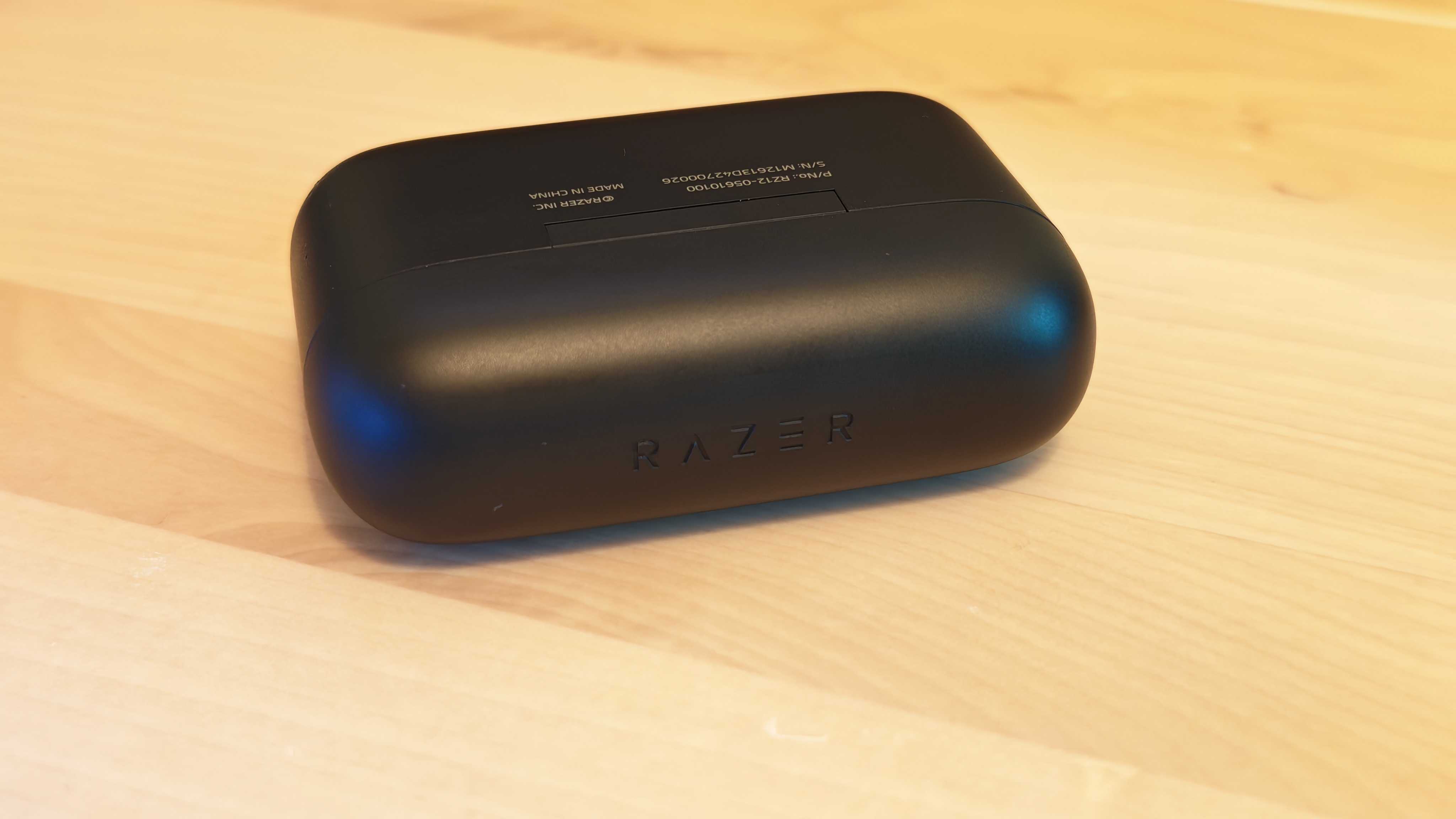
A particularly innovative design element is the charging case’s integrated dongle functionality. When the HyperSpeed Wireless dongle is housed within the case, it connects via a Type-C passthrough port. This ingenious design allows the entire case to be plugged directly into a PC or console, eliminating the need to remove the dongle from the case for pairing. This feature not only streamlines the setup process but also significantly reduces the likelihood of misplacing the small dongle, a common frustration for users of wireless peripherals. The case itself is robustly built with a pleasant matte texture and a sturdy hinge, exuding a higher quality feel than the earbuds themselves. It also features a subtle RGB strip that illuminates in various patterns and colors to indicate charging status, pairing modes, and battery levels, adding a touch of practical flair.
Audio Performance: A Major Contention
Despite its prowess in low-latency connectivity, the audio performance of the Razer Hammerhead V3 HyperSpeed emerges as a significant drawback, especially when evaluated against its price point and market competitors. In the default "gaming" preset, while bass frequencies exhibit a commendable punchiness, the overall sound profile suffers from a distinct lack of clarity and a muffled quality in the high-end. This tonal imbalance makes them suitable for fast-paced competitive titles like PUBG: Battlegrounds or Counter-Strike 2, where bass-heavy explosions and impacts are prominent, but renders them ill-suited for story-driven games or titles that rely on intricate soundscapes and detailed audio cues.
The earbuds’ shortcomings become even more pronounced in music listening. The overall music-listening experience is described as "bad" and "uninspiring," a critical flaw for earbuds that many users expect to serve a dual purpose for both gaming and everyday audio consumption. The default "music" EQ preset is particularly problematic, reportedly "rancid," severely degrading both bass and low-mid frequencies, resulting in a thin and unsatisfying sound reminiscent of generic, low-quality bundled headphones. Extensive manual EQ tweaking offered little to no remedy, indicating a fundamental limitation in the earbuds’ acoustic design.
In a direct comparison with the SteelSeries Arctis GameBuds, the Razer Hammerhead V3 HyperSpeed consistently falls short. The SteelSeries alternative delivers a superior and more versatile sound profile across all applications, eliminating the need for users to invest in a separate pair of earbuds for music listening. This lack of versatility significantly diminishes the value proposition of the Razer earbuds for users seeking an all-in-one audio solution.
Active Noise Cancellation and Microphone Limitations
The active noise cancellation (ANC) feature on the Hammerhead V3 HyperSpeed also underperforms expectations, especially when compared to rivals like the SteelSeries Arctis GameBuds or even dedicated audio products such as the Sony Inzone Buds. The ANC struggles to effectively block out common background noises, proving largely ineffective against even consistent, low-frequency sounds like those from a desk fan. For environments with higher ambient noise, such as a busy commute or an airplane cabin, the ANC is deemed insufficient, making them an impractical choice for travelers. This limitation severely curtails their utility beyond quiet home gaming environments.
Microphone performance, while functional, is far from reliable. In ideal, quiet conditions, the microphones are "okay," but the moment any background noise is introduced, their ability to clearly capture the user’s voice diminishes significantly. This unreliability forces users to frequently resort to external desktop microphones for crucial in-game communication, undermining the convenience of integrated earbud microphones.
Furthermore, the touch controls implemented on the earbuds are described as "awkward" and "unresponsive." Users often experience difficulties registering inputs, leading to frequent accidental pauses or skips when attempting to control media playback or manage calls. This poor user interface detracts from the overall experience and adds a layer of frustration to daily use.
Battery Life: A Glimmer of Strength
One area where the Razer Hammerhead V3 HyperSpeed genuinely excels is battery life. The earbuds consistently deliver 7-8 hours of playback on a single charge, a commendable duration for gaming earbuds. The charging case further extends this impressive longevity, holding enough power to fully recharge the earbuds approximately four times, providing a total of around 40 hours of use on the go. This robust battery performance is a significant advantage, ensuring that users can enjoy extended gaming sessions or long commutes without the constant worry of running out of power. This aspect positions them favorably against competitors that may offer superior audio but fall short in endurance.
Pricing, Availability, and Market Positioning
Priced at $129.99 / £129.99 / AU$229.95 directly from Razer, the Hammerhead V3 HyperSpeed enters a highly competitive segment of the gaming audio market. While Razer’s direct store is recommended for purchase due to inconsistent stock levels at other retailers, consumers are cautioned to differentiate this model from the similarly named but cheaper Razer Hammerhead V3 X or older Razer Hammerhead True Wireless X models.
At this price point, the earbuds directly contend with the SteelSeries Arctis GameBuds, which initially launched at $159.99 / £159.99 / AU$359 but are frequently discounted to approximately $130 / £100 in key markets like the US and UK. Even at its full original price, the Arctis GameBuds are argued to offer significantly better value due to their superior design, more versatile and customizable sound profiles (boasting hundreds of EQ options), and slightly better overall battery life. This pricing dilemma places the Razer Hammerhead V3 HyperSpeed in a precarious position, as its perceived value struggles to justify its cost when more feature-rich and higher-performing alternatives are available at or below a comparable price.
Competitive Landscape and Alternatives
The market for gaming earbuds is rapidly expanding, with several strong contenders offering compelling alternatives to the Razer Hammerhead V3 HyperSpeed.
-
SteelSeries Arctis GameBuds: Widely regarded as the current benchmark for wireless gaming earbuds, the Arctis GameBuds stand out for their exceptional out-of-the-box sound quality and extensive customization options via the Arctis Companion App and SteelSeries Sonar software. Their robust feature set includes 360° Spatial Audio, Qi Wireless Charging, 6mm neodymium drivers, effective four-mic ANC, transparency mode, in-ear detection, and an IP55 rating for durability. This comprehensive package, combined with a more appealing design, makes them a superior all-around choice for gamers who demand both performance and versatility.
-
PlayStation Pulse Explore Earbuds: For PlayStation 5 users, the official PlayStation Pulse Explore earbuds represent a strong ecosystem-specific alternative. These earbuds leverage planar magnetic drivers, a technology typically found in high-end audiophile headphones, to deliver significantly superior sound fidelity compared to the Hammerhead V3 HyperSpeed. Coupled with AI-enhanced noise rejection for clear communication and Dual Device connectivity, they offer a premium audio experience optimized for the PlayStation ecosystem, albeit at a higher price point of $199.99 / £199.99 / AU$329. Their integration with PlayStation Link wireless technology ensures seamless, low-latency performance with the PS5 and PlayStation Portal.
Broader Implications and Conclusion
The performance of the Razer Hammerhead V3 HyperSpeed suggests a strategic focus on ultra-low-latency gaming, particularly for mobile esports, potentially at the expense of other crucial aspects like design aesthetics, audio versatility, and active noise cancellation. While the advanced Bluetooth 6.0 and HyperSpeed Wireless technologies undeniably deliver on their promise of minimal latency, the compromises in sound quality and features make these earbuds a niche product rather than a universally recommended option.
For Razer, a brand synonymous with premium gaming peripherals, the Hammerhead V3 HyperSpeed represents a challenge in maintaining its reputation for cutting-edge design and holistic performance. The market’s increasing demand for versatile audio solutions that seamlessly transition between gaming, music, and daily life means that products with narrow appeal, despite excelling in one specific area, may struggle to gain widespread adoption. Consumers today expect a balance of performance, aesthetics, features, and value, a balance that the Hammerhead V3 HyperSpeed currently struggles to achieve.
Ultimately, while the Razer Hammerhead V3 HyperSpeed fulfills its primary objective of providing ultra-low-latency audio for competitive gaming, particularly on mobile, its numerous drawbacks in design, sound quality, and ANC make it difficult to recommend as a leading choice. Potential buyers must weigh the critical importance of latency against a generally underwhelming audio experience and a less-than-premium build. For most users, more well-rounded alternatives that offer superior sound, better features, and more refined aesthetics at a similar or slightly higher price point will likely provide a more satisfying and versatile gaming audio experience.
Testing Methodology
The Razer Hammerhead V3 HyperSpeed gaming earbuds underwent extensive testing over multiple weeks, evaluating their performance across both PC and mobile platforms. The testing regimen included a diverse range of popular gaming titles to assess audio fidelity and responsiveness in various scenarios. On PC, games such as Call of Duty: Black Ops 7, PUBG: Battlegrounds, Battlefield 6, Forza Horizon 6, and Grand Theft Auto 5 were utilized. Mobile gaming performance was assessed with titles like Neverness to Everness and Call of Duty Mobile. Throughout this period, the user experience, sound quality, microphone clarity, active noise cancellation effectiveness, and touch control responsiveness were meticulously evaluated. Direct comparative analysis was conducted against other prominent gaming earbuds, including the SteelSeries Arctis GameBuds and other highly-rated products from our comprehensive guide to the best gaming earbuds, to provide a well-rounded and objective assessment of their market standing.